If your feed is full of malfunctioning cats, “Is There a Cat in This Movie?” threads, and chaotic first-Christmas pet photos, you’re not alone. Pet content is quietly steering the next wave of smart home design. While people online are laughing at cats “glitching” and dogs going viral for their holiday zoomies, the smart home industry is watching closely—and building products around exactly that behavior.
From AI-powered pet cameras to self-cleaning litter boxes that look like mini spaceships, the same tech that spoils our pets is shaping how we’ll all live at home next. The line between “pet gadget” and “home upgrade” is blurring fast—and the result is a new kind of lifestyle-focused smart home that’s softer, more playful, and way more intuitive.
Below are five innovative ideas modern homeowners are borrowing straight from the pet-obsessed internet and turning into surprisingly stylish, future-ready living spaces.
1. Pet-Centric Cameras Are Becoming The New Whole-Home Eyes
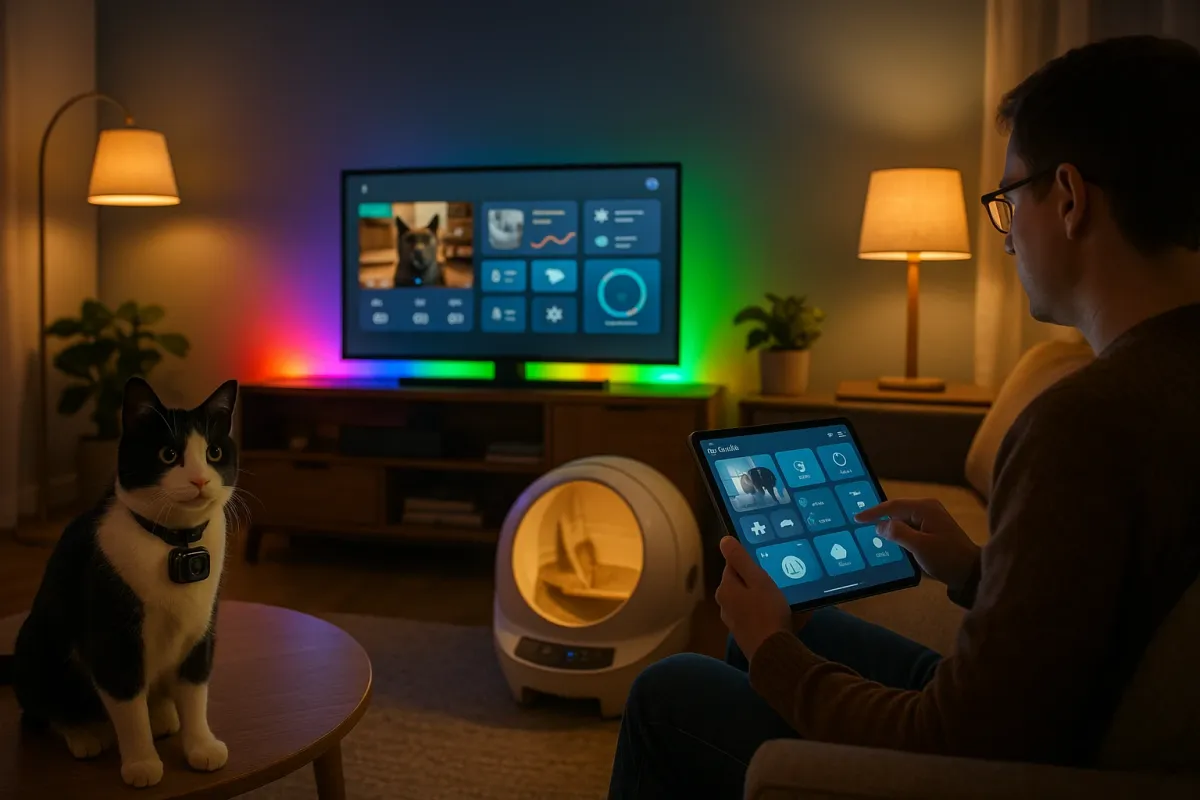
Ring, Nest, and Arlo used to be about front doors and driveways. Now, thanks to viral “What’s my cat doing when I’m not home?” clips, interior cameras are shifting from security tools to everyday lifestyle tech. Companies like Furbo, Eufy, and Petcube have built massive followings with cameras designed for pets—treat tossers, two-way audio, and AI that can tell “nap time” from “chaos o’clock.”
Modern homeowners are taking the next step: using these pet cams as their main interior monitoring system. A single ultra-wide camera in the living room can double as a way to check whether your dog is pacing from anxiety, or whether you left the dining room lights blazing all day. Some setups integrate with Alexa or Google Home so a motion event—say, the dog jumping off the couch—can trigger ambient lighting, white noise, or even calming music playlists. It’s part wellness, part surveillance, and very much a reflection of how emotionally attached we are to what happens inside our homes when we’re not there.
2. Smart Feeders & Litter Boxes Are Quietly Redesigning Utility Spaces
If you’ve seen those “most wholesome rescue pet” posts, you know: adopted pets often come with mystery quirks—sensitive stomachs, separation anxiety, or very specific bathroom habits. Smart pet gear has sprinted to fill the gap. Brands like Litter-Robot, Whisker, Petlibro, and Sure Petcare have turned feeding and litter management into fully automated, app-controlled systems.
Design-wise, this changes how we build homes. Laundry rooms and mudrooms are no longer just “back of house” zones; they’re becoming smart pet hubs with dedicated outlets for auto-scooping litter boxes, built-in niches for feeders, and floor drains for easy cleanup. Homeowners are planning cabinetry around Wi-Fi coverage and sensor access instead of just storage. Some even integrate these devices into their energy dashboards—knowing exactly how much power that self-cleaning box actually uses in a day. The result: cleaner air, fewer smells, less mental load, and utility spaces that feel more like intentional tech lounges than afterthoughts.
3. “Pet Mode” Scenes Are Pushing Smarter Lighting, Sound, and Climate
Online, people joke that cats run the house—and smart homes are starting to agree. As more devices tie into platforms like Apple Home, Google Home, and SmartThings, homeowners are creating “Pet Mode” scenes that control multiple systems at once: blinds partially down for safe window watching, dimmable lights on low near favorite sleeping spots, background noise to mask street sounds, and temperature tuned for comfort rather than just efficiency.
This isn’t just for pets. The same routines that calm an anxious dog also happen to feel incredibly human-friendly: softer, layered lighting; consistent soundscapes; and climate that feels personalized instead of “set and forget.” We’re moving away from harsh, all-or-nothing brightness and toward spaces that adapt to whoever’s actually inside the room—on four legs or two. Think: a home that quietly responds to movement, time of day, and habits, creating a low-key, always-ready vibe without you constantly fiddling with switches.
4. AI Behavior Tracking Is Becoming Everyday Wellness Data
Those “What’s Wrong With My Cat?” posts are funny, but they tap into something very real: noticing subtle changes in behavior is how we know something’s off. Pet-focused wearables and AI tools—like Whistle collars for dogs or smart tags that log activity—are normalizing the idea that home data can be gentle, not creepy. We’re getting used to dashboards that show how active the dog was, how often the cat used the litter box, or how long they spent pacing versus resting.
Homeowners are now pairing that with human-focused devices: air quality monitors, sleep trackers, and smart thermostats that quietly build a picture of home life over time. When your cat starts drinking more water and your home’s humidity drops, that’s not just trivia—it’s a clue. The smart home is evolving into a kind of background wellness monitor, offering patterns instead of constant alerts. The same tech that flags a pet’s stress after a fireworks-heavy weekend can also nudge you toward closing a window on bad air days or dimming screens before bed. Subtle, data-driven, and more about long-term comfort than short-term novelty.
5. Pet-Proof Design Is Inspiring Softer, Tougher Smart Materials
Those “first Christmas with a cat” photos—shredded trees, destroyed ornaments, toppled décor—are also influencing how we choose materials. Performance fabrics, scratch-resistant surfaces, and rounded, low-profile devices are no longer just for families with kids; they’re becoming baseline expectations for smart homes in general. No one wants a $1,000 display or sleek robot vacuum that can’t survive a curious paw or a knocked-over water bowl.
Manufacturers are responding. You’re seeing more matte finishes that hide smudges, water-resistant smart switches, voice controls that reduce the need for chewable remotes, and floor-safe robot mops that identify obstacles—including pet messes—before making them worse. Furniture designers are adding embedded charging, cable management, and hidden mounting tracks to keep smart devices off the floor and out of sight. The aesthetic is clean, cozy, and quietly fortified against real life—spills, fur, claws, and all.
Conclusion
The internet’s obsession with pets—glitched-out cats, rescue glow-ups, and chaotic holiday clips—isn’t just entertainment; it’s a live test lab for the next generation of smart homes. Cameras that started as “check on the dog” tools are becoming whole-home monitoring systems. Self-cleaning litter boxes are reshaping utility rooms. “Pet Mode” lighting is setting the standard for ambient, mood-based living.
Modern homeowners aren’t chasing a sci-fi smart house. They’re building spaces that feel alive, responsive, and emotionally fluent—homes that adapt not only to their schedules, but to their relationships, routines, and yes, their pets. If you want a smart home that actually fits your life right now, start where the internet already is: with the creatures running wild in your camera roll—and design the tech around them.
Key Takeaway
The most important thing to remember from this article is that this information can change how you think about Smart Homes.