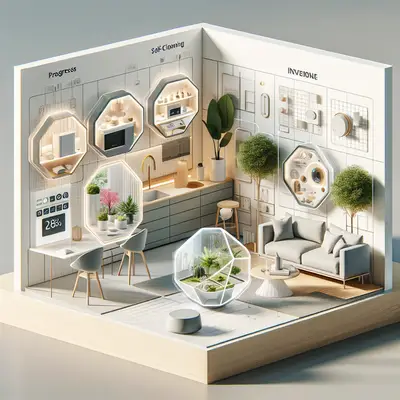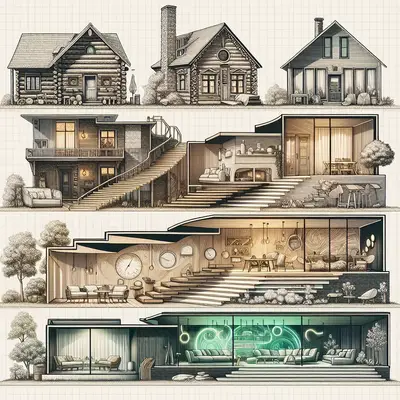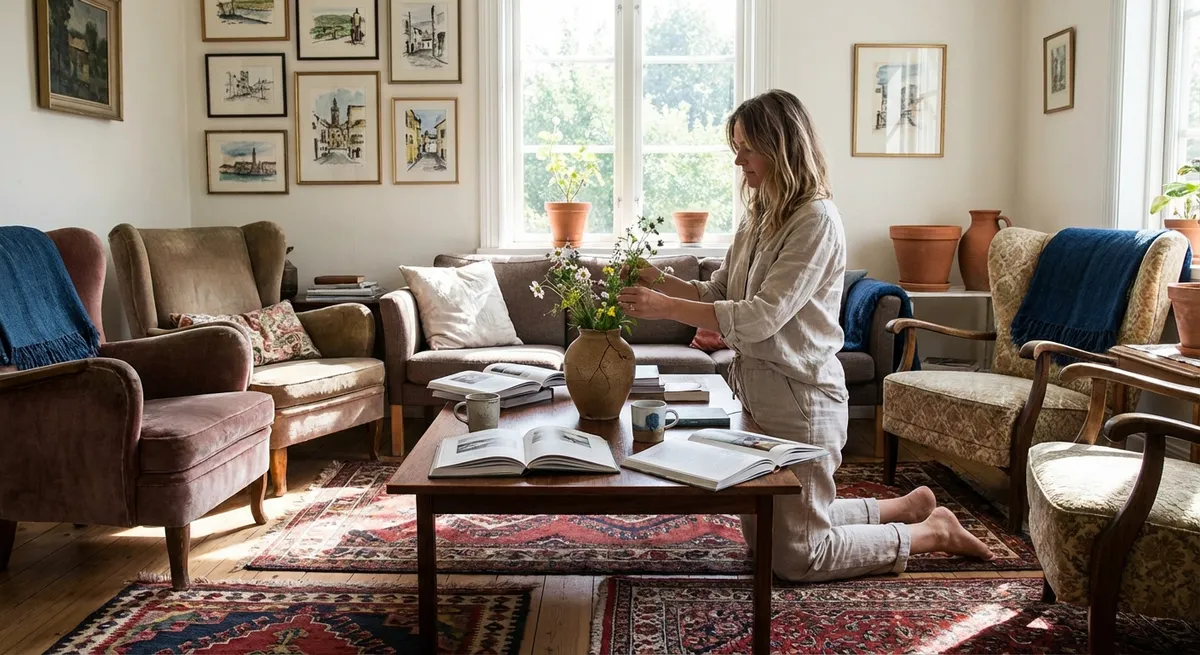
Your home doesn’t have to look like a furniture catalog to feel “finished.” The most interesting spaces feel lived-in, layered, and a little bit unexpected—like a visual diary of the life you’re building. Instead of chasing trends, it’s about making smart, modern moves that quietly upgrade how you live day to day. These ideas are for homeowners who want their space to feel intentional, flexible, and a bit ahead of the curve—without turning their living room into a tech showroom or a museum.
Below are five innovative home-living ideas that mix aesthetics, function, and real-life ease—so your home looks good and works hard in the background.
1. The Hybrid Lounge: One Room, Multiple Lives
Today’s living rooms need range. They’re office, cinema, yoga studio, and social hub—often in the same day. The trick is designing a “hybrid lounge” that can shift modes without feeling cluttered or chaotic.
Start with a flexible furniture layout instead of a fixed one. Swivel chairs, nesting side tables, and lightweight accent stools let you turn a TV-facing setup into a conversation circle or a laptop-friendly nook in minutes. Opt for a slim console behind your sofa or along a wall that can double as a temporary desk—add a comfortable, dining-style chair and you’ve got a low-key workspace that doesn’t scream “office.”
Layer lighting to suit different moods: an overhead fixture on dimmers, task lamps near seating, and a floor lamp that can pivot where you need it. This gives you “zones” without building actual walls. Use a large area rug to visually anchor the main seating cluster, then let smaller rugs define secondary zones like a reading corner or game table.
Keep tech visually quiet. Hide power strips in woven baskets or cord boxes, route cables along baseboards, and store remotes or controllers in a lidded box on the coffee table. The goal: a space that can flip from presentation backdrop to movie night to Sunday reset before your coffee gets cold.
2. Display With Intention: Curated Surfaces, Not Clutter
The difference between “cozy layered” and “visually chaotic” usually comes down to what you choose to put on display—and how. Modern surfaces work harder and look better when they’re curated like mini galleries instead of catch-all zones.
Start by editing every visible surface: consoles, coffee tables, sideboards, open shelves. Keep only what’s either deeply personal (travel finds, heirlooms, art made by friends or family) or visually strong (bold ceramics, sculptural objects, good books, framed photos). Store the rest out of sight in drawers, baskets, or cabinets.
Think in terms of small “stories” instead of random things: a stack of design or photography books topped with a candle and a small dish; a low bowl with collected stones or shells next to a framed postcard; a vintage vessel beside a modern lamp. Vary heights and textures so each surface has movement and depth without feeling busy.
For open shelving, assign each shelf a loose purpose: one for books, one for art and objects, one for plants, one for baskets that hide everyday items. Repeat materials (wood, glass, linen, brass) to create a thread of consistency. You’re aiming for a look that feels relaxed but intentional, like your favorite boutique hotel lobby—inviting, not overstyled.
3. Textured Calm: Quiet Color, Interesting Materials
If you want your home to feel elevated without going full “showroom,” texture is your best friend. Instead of chasing complicated color schemes, build a calm, cohesive palette and then make it interesting through materials and finishes.
Choose a tight base palette—maybe soft whites, sandy beiges, warm taupes, and one or two accent tones like olive, rust, or ink blue. Keep big pieces (sofa, rug, curtains, major storage) in this family so they’ll age well and play nicely together as your style evolves. Then layer different textures on top: bouclé or linen upholstery, matte ceramic lamps, washed linen or cotton throws, woven jute or wool rugs, smooth stone trays, ribbed glass vases.
Mix a little contrast: a rustic wood coffee table next to a smooth metal side table, a plush rug on top of a wood or concrete floor, a nubby throw draped over a sleek leather chair. This creates that “effortlessly expensive” look without needing everything to be designer.
Don’t forget walls and ceilings. Subtle limewash, micro-texture paint, or fabric-wrapped panels can add depth without shouting. Even framed fabric, textured wallpaper on a single wall, or an oversized corkboard for layered inspiration can shift a space from flat to tactile. The result: a home that photographs beautifully but feels even better in person.
4. Micro Zones: Quiet Corners With a Clear Purpose
Modern life is loud—notifications, news, constant motion. One of the most impactful design moves you can make is carving out tiny, highly-specific “micro zones” that support how you actually live and reset.
Think small and intentional: a reading chair under a window with a floor lamp, a low side table, and a throw; a tea or coffee corner on your kitchen counter with a tray, mugs, and canisters; a mini landing spot in the entry with hooks, a bench, a tray for keys, and a basket for shoes. These spaces don’t need a whole room—they just need a clear purpose and a defined footprint.
Use visual cues to signal what happens there. A cozy rug and a single armchair say “sit and stay.” A tray with a journal and pen next to a plant says “morning moment.” A slim console with a mirror and small dish says “drop your day here.” This makes habits easier: you’re more likely to read if there’s a comfortable, designated place to do it; more likely to stay organized if landing zones are already built into your layout.
Micro zones work especially well in open-plan homes or smaller spaces where walls are limited. By carving function into corners and along transitional areas (hallways, stair landings, under windows), you stretch every square foot while keeping the overall space visually calm.
5. Seasonal Layering Without the Storage Headache
Refreshing your home with the seasons doesn’t have to mean hauling bins in and out of storage four times a year. Instead of “holiday decor,” think “seasonal layering”: subtle shifts in textiles, scents, art, and greenery that cue the time of year without adding visual noise.
Start with a year-round base: your core furniture, neutral bedding, staple rug, and main art pieces. Then create a small, flexible “seasonal kit” for each half of the year—cool-weather and warm-weather. For cooler months, think heavier knits, textured throws, wool or velvet cushions, moodier candle scents, darker ceramics, and deeper tones. For warmer seasons, swap in lightweight cotton or linen throws, airy neutrals, glass or light wood accessories, and fresher scents.
You can also refresh walls without committing to major art overhauls. Lean framed pieces on picture ledges or sideboards and rotate a couple of prints, photos, or posters seasonally while keeping the frames the same. For dining and kitchen, rotate just a few high-impact items—table linens, a statement bowl, or a centerpiece vessel with seasonal branches or greenery.
Store all your off-season layers in one or two labeled under-bed bins or baskets in a closet. You’re not changing the entire personality of your home—just shifting its mood a few degrees so it stays aligned with how you actually feel throughout the year.
Conclusion
Modern interiors aren’t about perfection; they’re about alignment—between how a space looks, how it works, and how you want to live inside it. A hybrid lounge that flexes with your day, curated surfaces that tell your story, textured calm that feels elevated but easy, micro zones that support your rituals, and seasonal layering that doesn’t require an attic—all of these moves quietly shape your everyday experience at home.
When your space is doing its job, you don’t think about it all the time. You just notice that you’re reading more, hosting more, resting better, and moving through your day with less friction. That’s the real measure of good design: not how impressive it is in photos, but how naturally it disappears into the best version of your life.
Sources
- American Society of Interior Designers (ASID) – 2023 Trends Outlook – Industry report on evolving residential design trends and how people are using their homes now
- Harvard Joint Center for Housing Studies – Remodeling Futures – Research on how homeowners are rethinking space, flexibility, and function
- IKEA Life at Home Report – Global insights into how people actually live in and feel about their homes, including multi-use spaces and routines
- The New York Times – “How to Design a Room That Grows With You” – Practical guidance on creating adaptable, future-proof interiors
- Architectural Digest – “The Art of Styling Shelves and Surfaces” – Expert tips on curation, layering, and visual balance for open storage and display
Key Takeaway
The most important thing to remember from this article is that this information can change how you think about Interior Design.