Home isn’t just a backdrop anymore—it’s your office, gym, restaurant, recharge station, and sometimes your entire weekend plan. Interior design has shifted from “how it looks” to “how it lives,” and the most interesting spaces right now are the ones pulling double (and triple) duty, without feeling overdesigned.
This isn’t about perfection or Pinterest clones. It’s about creating a home that quietly supports your day, feels elevated, and still leaves room for real life: laundry baskets, messy desks, half-read books and all.
Below are five innovative ideas modern homeowners are leaning into—each one stylish, but built for actual living.
1. The “Soft Zone” Layout: Rooms That Flex With You
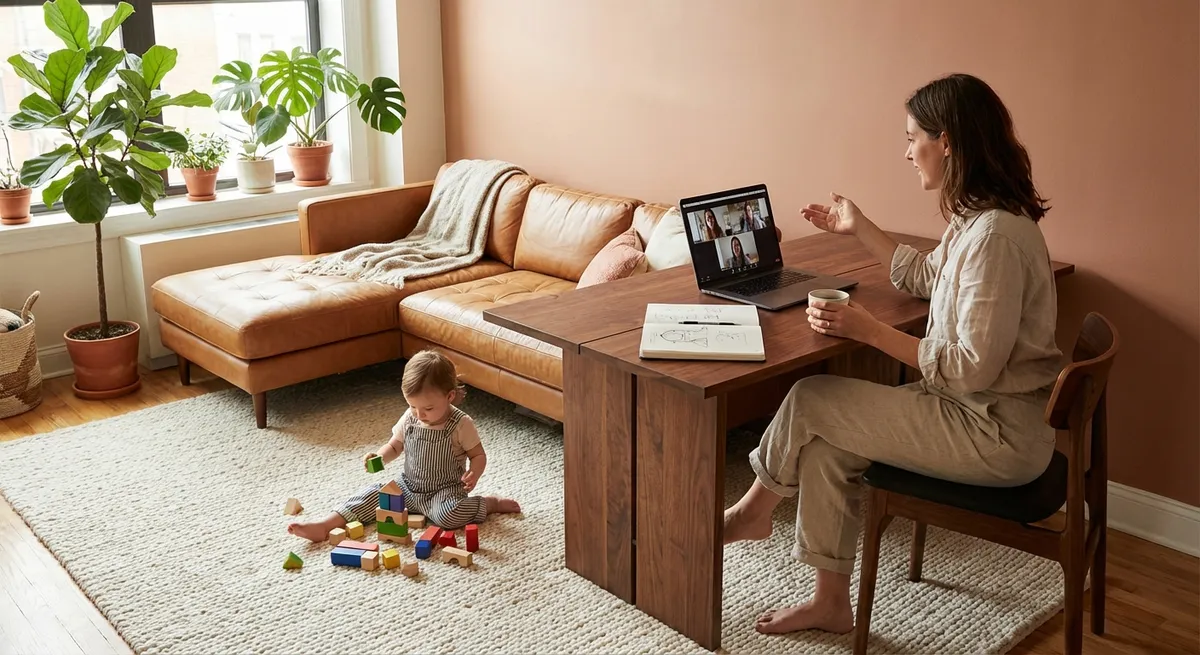
Instead of locking a room into one identity (living room, dining room, office), more people are designing around “zones” that can shift with the day.
Think of it as creating soft boundaries, not walls:
- A low console behind the sofa that also acts as a work perch with a laptop.
- A dining table that doubles as a project station, with a sleek sideboard nearby to hide away laptops, cables, and stationery by dinner.
- A reading corner that doubles as a video call spot, styled with a simple, neutral backdrop and dimmable lighting.
The key move: use furniture and lighting to define different functions without visually chopping up the room. A floor lamp and rug can frame a conversation area; a slim desk under a window becomes the “focus zone.” Instead of one big statement piece, you’re designing a series of mini-scenes that make your main living areas feel more adaptable—and more lived-in.
2. Texture-First Styling: When Neutrals Still Feel Rich
Minimal doesn’t have to mean flat. Trend-wise, we’re seeing a lot of “quiet color” interiors that lean into creams, taupes, and soft greys—but what makes them feel elevated is the layering of textures, not patterns.
To make a neutral room feel intentional, not unfinished:
- Mix at least three textures in every sightline: think linen sofa, boucle chair, jute rug, and a smooth oak coffee table.
- Add one lived-in element—like a patinated leather chair, vintage wood stool, or ceramic lamp—to break up the “brand new” look.
- Swap out matchy-matchy throw pillows for a mix of fabrics: waffle knit, velvet, linen, and cotton canvas.
This approach works especially well in smaller spaces where bold color can feel overwhelming. By letting texture do the talking, you get a home that photographs beautifully but still feels calm in person—a space that’s quietly buzzy instead of visually loud.
3. Daily Ritual Corners: Design That Protects Your Off-Switch
One of the most underrated design trends right now: carving out small pockets that support tiny daily rituals, rather than building one massive “showpiece” room.
A few examples:
- Morning ritual bar: a compact counter, cart, or console with your coffee setup, mugs, teas, and a small plant or art print. It turns “making coffee” into an experience, not a scramble.
- Unplug nook: a chair, side table, and low, warm light—no outlets in easy reach. This becomes your wind-down space for reading, journaling, or just sitting without a screen.
- Entry reset zone: a slim bench, hooks, and a tray for keys and headphones. Not just storage, but a mini transition space between “outside mode” and “home mode.”
You don’t need extra rooms—just intentional corners. The styling can stay simple, but the message is clear: this spot is for you to slow down. In homes where work and life blend together, these micro-zones keep your day from becoming one long, unbroken scroll.
4. Display with Boundaries: Curated, Not Cluttered
Open shelving, coffee table styling, and gallery walls aren’t going anywhere—but the modern twist is restraint. Instead of filling every surface, people are creating “display lanes” and leaving the rest deliberately clear.
Try these rules:
- One statement shelf per room that holds your most personal pieces—books you actually reach for, travel finds, small artworks—styled with negative space between objects.
- Closed storage below, open display above: think media units, buffets, and cabinets that hide the everyday mess while letting a few objects breathe on top.
- Rotating decor: keep a small box or basket of extra decor items and swap pieces in and out seasonally instead of adding more. Your space stays dynamic without feeling crowded.
This kind of edited display makes a home feel more intentional and less like a storage unit. It also photographs better and is easier to maintain—your shelves become mini stories about you, not just places to put things.
5. Material Mix for Real Life: Beautiful, but Forgiving
Modern homeowners aren’t choosing between “pretty” and “practical” anymore—they’re searching for finishes that handle high-traffic living without constant anxiety.
Some smart material moves:
- Performance fabrics on sofas and dining chairs (stain-resistant, easy to clean) so you’re not living in fear of red wine or tomato sauce.
- Engineered or luxury vinyl flooring in busy areas that gives you the wood look with more durability and less maintenance.
- Quartz or composite countertops that offer the appearance of stone without the etching and staining headaches of some natural materials.
- Washable rugs in dining areas or kids’ rooms to keep things low stress.
It’s not about making your home indestructible—it’s about choosing materials that work with how you actually live. The design win is subtle: you’re more likely to host, relax, and use your spaces fully when you’re not constantly worrying about every spill or scratch.
Conclusion
Interior design is shifting from “show home” to “support system.” It’s less about building the most impressive room and more about designing a home that quietly has your back: flexible layouts, tactile neutrals, ritual corners, curated displays, and materials built for real life.
The most innovative homes right now aren’t the ones chasing every trend—they’re the ones making everyday moments a bit easier, calmer, and more beautiful. Start small: one corner, one shelf, one material upgrade. When a home is designed to be lived in, not just looked at, everything—from your routine to your mood—levels up.
Sources
- American Society of Interior Designers (ASID) – 2024 Trends Outlook - Industry report covering current and emerging interior design and lifestyle trends
- Harvard Joint Center for Housing Studies – Remodeling Trends - Data and insights on how homeowners are updating and using their spaces
- HGTV – Guide to Performance Fabrics - Overview of durable, stain-resistant textiles for everyday living
- New York Times – How to Declutter Your Home, Room by Room - Practical approach to editing and organizing belongings without losing personality
- Architectural Digest – The Rise of Multifunctional Spaces - Examples and expert commentary on flexible layouts and multi-use rooms
Key Takeaway
The most important thing to remember from this article is that this information can change how you think about Interior Design.