Home tech isn’t just about gadgets anymore—it’s about how your home feels when you walk through the door. The right upgrades don’t scream “sci‑fi”; they quietly smooth out your day, soften the edges of your routine, and add a little everyday luxury without turning your place into a showroom. Think less “tech for tech’s sake” and more “this just makes my life easier (and cooler).”
Below are five innovative home living ideas that modern homeowners are actually using—and loving—right now.
Mood‑Aware Lighting That Follows Your Day
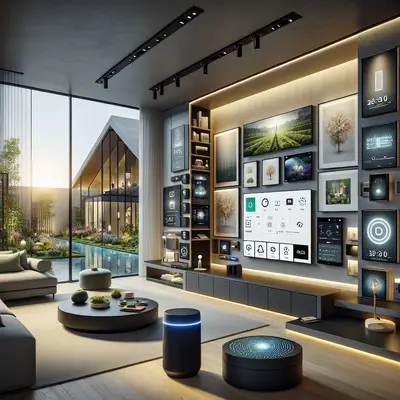
Lighting is one of the fastest ways to change how your home feels, and smart systems are finally catching up to real life. Instead of manually dimming lamps every evening, you can set your lights to shift temperature and brightness based on the time of day: bright, cool-toned light to wake you up, softer neutrals for work focus, and warm, low lighting to wind down.
Paired with sensors, your home can respond automatically to movement and natural daylight—turning on hallway lights at 20% for late-night kitchen trips, or dimming living room lamps when the sun gets strong. Smart bulbs and switches also give you “scenes” at a tap: a pre-set combo for movie nights, dinner parties, or solo reading sessions. The win isn’t just convenience; well-tuned lighting supports better sleep, reduces eye strain, and makes everyday activities feel more intentional and curated.
Zoned Comfort: Climate Control That Knows Your Routine
The old model: one thermostat for the whole home, constantly adjusted by whoever feels too hot or cold. The new model: zoned climate control that treats different rooms according to how you actually use them. Smart thermostats and connected vents can prioritize the spaces you live in most—bedrooms at night, office during the day, living room in the evening—rather than heating or cooling every corner equally.
Geo-fencing adds another layer: your home can start adjusting the temperature when it senses your phone is on the way back, so you walk into a space that already feels right. Over time, many systems learn your patterns and tweak schedules automatically, trimming energy waste without you babysitting the settings. The result is a home that meets you where you are—quietly, in the background—while often saving on utility bills.
Kitchen Tech That Actually Speeds Up Real Cooking
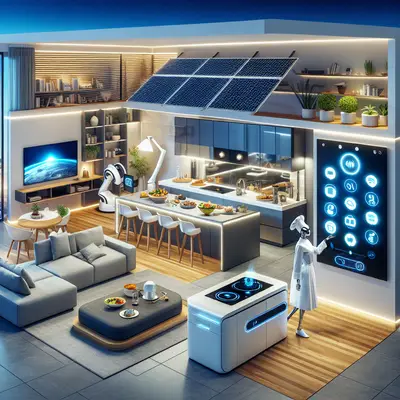
Smart kitchen talk used to be all about giant screens on fridges. The more interesting shift now is tech that shortens the gap between “I should cook” and “dinner is ready.” Smart ovens that recognize common foods and suggest cooking modes, induction cooktops that boil water in seconds while staying cool to the touch, and app-connected multicookers that walk you through recipes are becoming everyday tools, not novelties.
Pantry and fridge organization also gets a tech lift with simple, non-intrusive tools: small sensors that alert you when temperatures rise in a freezer, or apps that help you track what you bought and when it expires—cutting down on random food waste and last-minute grocery runs. Voice assistants can set multiple timers, convert measurements, or read recipes hands-free while you cook. It’s not about having a “smart kitchen” sign on the wall; it’s about shaving off the friction points that usually make takeout the default.
Wellness-First Bathrooms With Spa-Level Features
Bathrooms are quietly becoming the new wellness zone. Tech here isn’t flashy; it’s sensory. Think smart showers that remember your preferred temperature and pressure, steam features with preset durations, and subtle chromotherapy lighting that shifts color to match your morning energy or nighttime reset. Some homeowners are also layering in heated floors with programmable schedules, so stepping out of the shower on a winter morning feels like a hotel, not a shock.
On the health side, connected scales, smart mirrors, and even upgraded ventilation systems are gaining momentum. Smart fans can detect humidity levels and air quality, kicking on when needed to fight mold and stale air. Mirrors with built-in lighting and anti-fog tech make routines smoother, while some higher-end models can display the time, weather, or your calendar. The overall effect: your bathroom starts functioning like a mini retreat and health check-in, instead of just a place to rush through.
Adaptive Soundscapes and Quiet Zones at Home
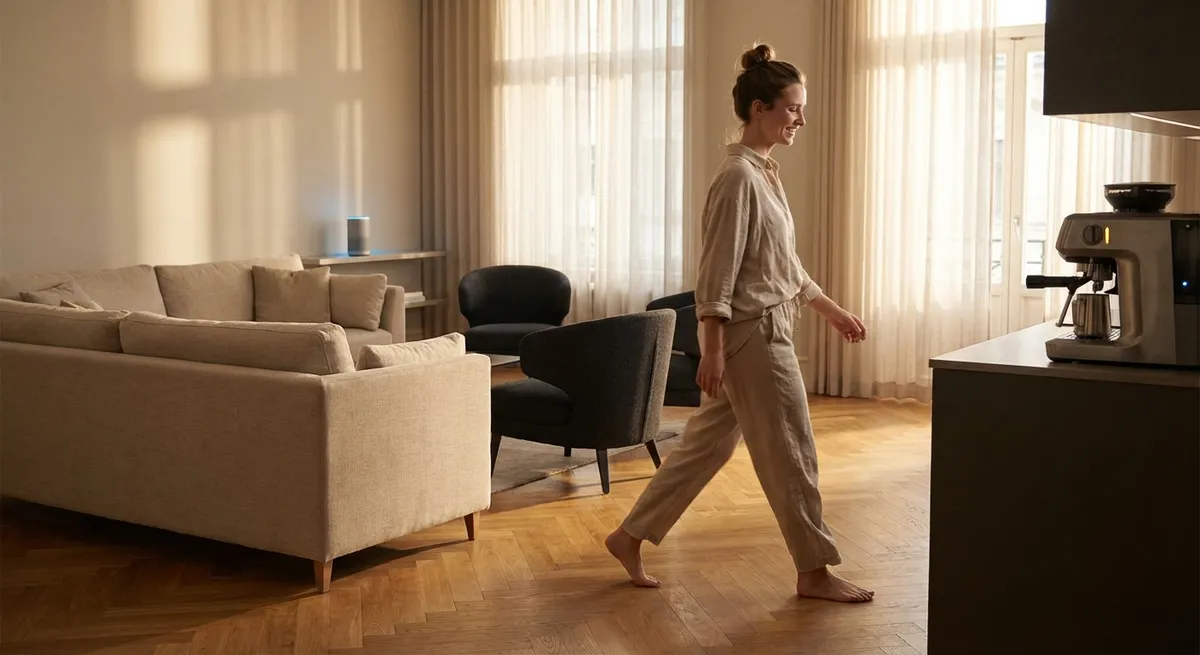
Sound is one of the most underrated layers of home tech. Modern setups go beyond a basic speaker in the living room. Homeowners are using smart, multi-room audio to shape the vibe of their spaces throughout the day—ambient playlists in the morning, focused soundtracks in the home office, calming audio in the bedroom before sleep. Everything is controlled from one app or via voice, with volume levels tailored per room.
Noise management is getting smarter too. Some systems can monitor decibel levels and adjust white noise or ambient sound to help mask street noise, neighbors, or a busy household. Paired with acoustic panels, heavy curtains, or upgraded windows, you can carve out “quiet zones” ideal for deep work, meditation, or just decompressing. For families or shared homes, this kind of sound design creates boundaries without needing extra square footage—different audio worlds, coexisting under one roof.
Conclusion
Home tech doesn’t have to look like a showroom or feel like a full-time hobby. The most interesting innovations right now are the ones that blend into your routine: lighting that adapts with your mood, climate control that thinks in zones, kitchens that remove excuses not to cook, bathrooms that double as wellness spaces, and soundscapes that tune your day.
When you choose upgrades that support the way you actually live—not the way a brochure looks—you end up with a home that feels more intentional, more comfortable, and a lot more “you.”
Sources
- U.S. Department of Energy – Lighting Choices to Save You Money - Explains how lighting types and controls impact comfort and energy use
- ENERGY STAR – Smart Thermostats - Overview of smart thermostat benefits, efficiency, and features
- Harvard T.H. Chan School of Public Health – Healthy Buildings: Air Quality - Details on how indoor air quality and ventilation affect health and daily living
- Mayo Clinic – Smart Bathroom Scales: Do They Make a Difference? - Discusses connected bathroom devices and their role in wellness tracking
- National Institutes of Health (NIH) – Noise and Health - Research on how everyday noise exposure influences wellbeing and why sound control at home matters
Key Takeaway
The most important thing to remember from this article is that this information can change how you think about Home Tech.