Sustainable living isn’t just about solar panels and sorting your recycling anymore—it’s about creating a home that feels elevated, calm, and quietly intentional. Modern homeowners want spaces that look good, work hard, and tread lightly on the planet without screaming “eco project.” Think: less guilt, more good design. These ideas lean into that vibe—smart, beautiful upgrades that feel like lifestyle luxuries first, and sustainability wins second.
Designing a “Slow Wardrobe” Closet at Home
Instead of chasing every trend, more people are building a “slow wardrobe” right inside their homes—curated, intentional, and designed to last. The idea: turn your closet into a mini boutique that celebrates fewer, better pieces and makes getting dressed feel editorial, not chaotic.
Start by editing your wardrobe and designing for visibility. Open shelving, uniform wooden hangers, and clear storage boxes make you actually see what you own (and stop buying duplicates). Add a small “repair + care” station with a steamer, fabric shaver, stain remover, and sewing kit so you can fix, not toss.
Lighting matters here: warm, indirect LED strip lighting under shelves or around the mirror uses less energy and makes everything feel more polished. If you have the space, build in a “rotation rail”—a visible spot to hang weekly outfits so you wear what you own instead of impulse-shopping.
The sustainability win: buying fewer items, keeping them longer, and caring for fabrics reduces waste and the carbon footprint of your wardrobe. The lifestyle win: your closet starts feeling like a well-styled showroom, not a storage problem.
Kitchen as Circular Hub: Elevating the Way You Use (and Reuse)
The most modern kitchens don’t just look sleek—they’re quietly set up for circular living. That means designing spaces and habits that keep food, packaging, and materials in use for as long as possible.
Start with a dedicated “use-first” zone in your fridge: one clear bin where leftovers, cut produce, and near-expiry items live. Label it and make it prime eye-level real estate so food actually gets eaten, not forgotten. Pair this with a small whiteboard or digital list on the fridge door where you track what needs to be used this week.
Under the sink, upgrade from the chaotic bin to a streamlined waste station: one container for recyclables, one for trash, one for compost (even if you use a countertop bin that gets dropped at a community compost site or farmers’ market). Choose bins that look intentional, not temporary—matte metal, bamboo lids, or stackable systems that actually match your cabinetry.
Bulk storage can look luxe too: glass jars with airtight lids styled on open shelves for grains, pasta, and snacks. Add minimalist labels and decant packaging whenever possible. This cuts down single-use plastics and makes your kitchen feel spa-level organized.
The sustainability win: less food waste, less packaging, and more thoughtful use of what you bring home. The lifestyle win: a kitchen that feels editorial and efficient, not cluttered and chaotic.
Tactile Tech: Swapping Gadgets for Rituals That Last
Sustainable living doesn’t always mean more tech; sometimes it means fewer, better objects that anchor your routines. Instead of a drawer full of single-purpose gadgets, create “ritual stations” around your home that merge pleasure with longevity.
In the living room, trade seasonal decor hauls for a core set of adaptable pieces: a high-quality throw, neutral cushion covers, and a few sculptural objects made from natural materials like stone, wood, or ceramic. Shift how they’re styled through the year instead of buying new.
For your daily recharge, build out an analog corner: a reading chair, a lamp with a warm LED bulb, a small side table, and a tray with a candle in a refillable vessel, a favorite book, and a notebook. Opt for durable items from brands that offer repairs, refills, or take-back programs.
In the kitchen, skip trendy appliances that live in cabinets. Instead, invest in a few workhorse pieces—solid cast-iron cookware, a well-made kettle, quality knives—that you can season, sharpen, and repair over time. Display them; let them become part of the visual story of your home.
The sustainability win: you buy less, buy better, and keep products in rotation for years. The lifestyle win: your home feels grounded and intentional, with rituals that actually stick.
Soft Infrastructure: Climate-Savvy Comfort Without the Overhaul
Not ready for a full reno or major systems upgrade? You can still make your space more climate-savvy with “soft infrastructure”—small, design-forward changes that shift how your home holds temperature, light, and sound.
Layer your windows: pair sheer curtains (for daylight and privacy) with heavier, insulated drapes that you actually close at night. This helps hold heat in cooler months and block harsh sunlight in warmer ones, reducing dependence on heating and AC. Choose fabrics in tones that echo your walls so it feels more boutique hotel, less blackout curtain.
On the floor, add rugs with natural fibers like wool, jute, or cotton. They insulate, dampen sound, and instantly make rooms feel more finished. In older homes, rugs also help manage drafts coming from under doors or floorboards.
Revisit your lighting plan: swap harsh overheads for layered lamps—task lighting for reading or cooking, ambient lighting for vibe, and accent lighting to highlight art or architectural features. Use warm-tone LED bulbs to cut energy use and create a softer, more flattering atmosphere.
The sustainability win: better insulation, more efficient lighting, and reduced reliance on heavy HVAC systems. The lifestyle win: your home feels quieter, cozier, and more expensive—without a contractor.
Rewilding the Corners: Nature-Positive Decor That Actually Does Something
Plants are no longer just decor—they’re part of a nature-positive strategy for your home. But it’s not about crowding every surface with greenery; it’s about choosing smart, impactful placements and species.
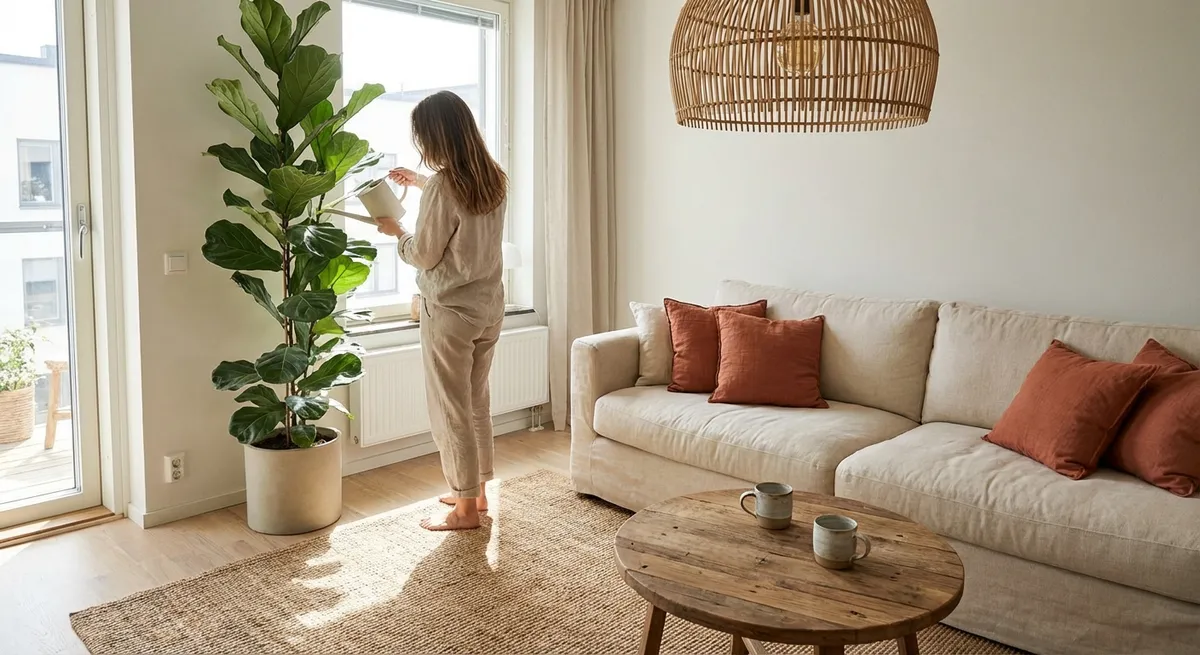
Focus on air-purifying plants in high-traffic zones: snake plants, peace lilies, and pothos are low-maintenance options that handle typical indoor conditions well. Cluster them instead of scattering one plant per room; grouped greenery makes more of a visual (and emotional) statement.
Look for underused corners: the awkward spot by the window, the empty stair landing, the dull hallway. Turn them into micro “green pockets” with a plant stand, hanging planters, or a slim console that holds a few potted plants and a tray with watering tools and plant food.
If you have outdoor space—even a balcony—think micro-habitat. Choose pollinator-friendly plants in containers, add a water dish for birds or bees, or a small bug hotel. It adds life, literally, and supports urban biodiversity.
The sustainability win: more plants mean better indoor air quality, increased biodiversity, and a small but real contribution to urban ecosystems. The lifestyle win: your home feels fresher, more alive, and visually layered.
Conclusion
Sustainable living at home isn’t about perfection or making your space look like a science project. It’s about quiet shifts that feel good to live with: closets that work like boutiques, kitchens that waste less, objects that stay in your life longer, rooms that hold comfort more efficiently, and corners that reconnect you with nature. When sustainability becomes part of your home’s aesthetic and daily rituals—not just a to-do list—it stops feeling like a compromise and starts feeling like an upgrade.
Sources
- United Nations Environment Programme – Sustainable Lifestyles - Overview of how everyday lifestyle and home choices impact the environment
- U.S. Department of Energy – Energy Saver Guide - Practical strategies for improving home energy efficiency
- EPA – Reducing Wasted Food at Home - Data and tips on minimizing food waste in household kitchens
- Harvard T.H. Chan School of Public Health – Clothing and the Environment - Insight into the environmental footprint of fashion and the value of buying less, better
- Royal Horticultural Society – Plants for Pollinators - Guidance on plant choices that support biodiversity in gardens and small outdoor spaces
Key Takeaway
The most important thing to remember from this article is that this information can change how you think about Sustainable Living.