If your feed has been flooded with mind‑blowing carpentry lately, you’re not alone. A viral Bored Panda feature, “50 Times People Made Something Amazing Out Of Wood,” has everyone rethinking what a simple plank can do. From gravity‑defying shelves to sculptural chairs, these pieces aren’t just craft—they’re a quiet rebellion against flat‑pack sameness and fast furniture.
That same energy is slipping into home design right now: fewer plastic “trendy” moments, more pieces that feel grounded, tactile, and built to last. Call it warm minimalism, slow living, or just “I want my space to stop feeling like an Amazon warehouse.” If you’ve been double‑tapping those insane wooden designs but don’t know how to translate that vibe into a real‑world home, this is your cheat sheet.
Below are five fresh, wood‑inspired ideas for modern homeowners who want their spaces to look curated, not cluttered—and absolutely ready for the next photo drop on your grid.
Sculptural Wood As The New Statement Art
Those viral wooden pieces—twisted benches, ripple coffee tables, impossibly thin shelves—are signaling a shift: furniture is becoming the artwork. Instead of hanging another generic canvas, designers are letting one sculptural wood piece anchor an entire room.
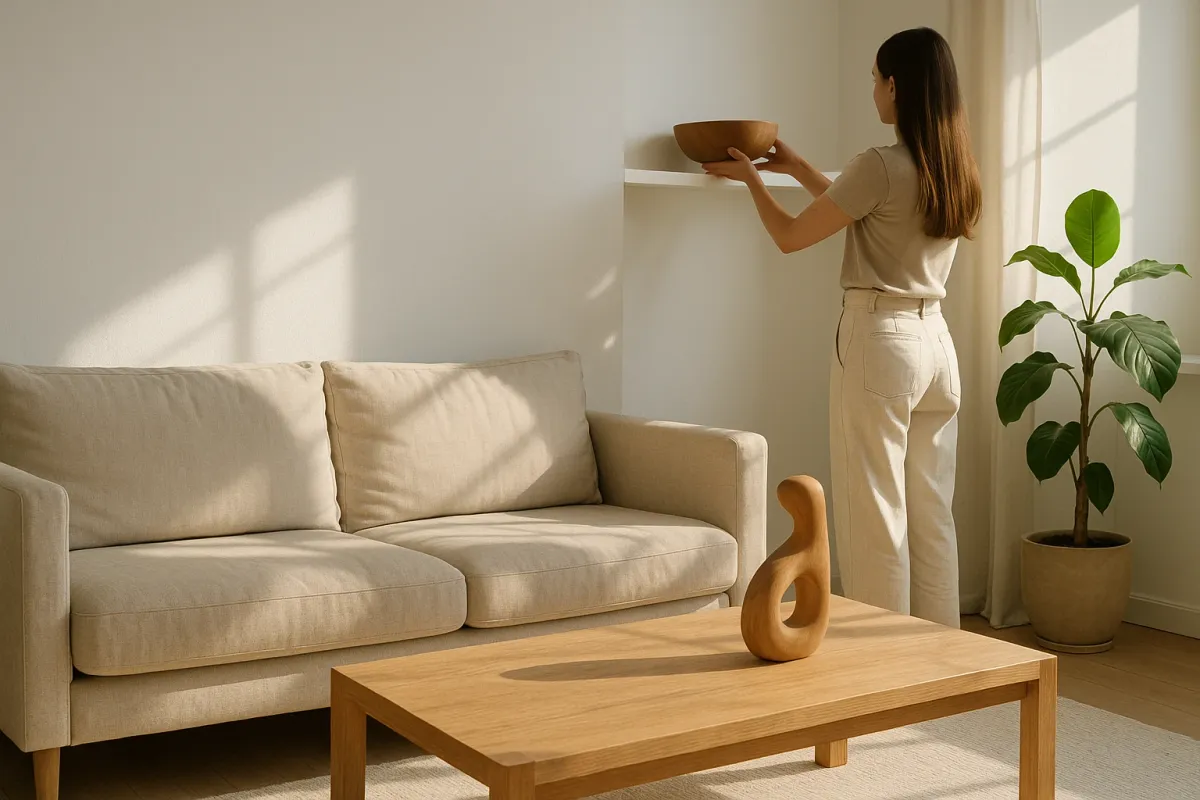
Bring that idea home with a single standout: a live‑edge console in the entry, a carved side table in the living room, or a slatted headboard that runs floor‑to‑ceiling behind your bed. Keep everything around it quieter—neutral textiles, simple lighting—so the wood takes center stage, the same way those handcrafted projects dominated the Bored Panda feature. The look is modern but not cold: soft curves, rounded corners, and visible grain keep it human. If you’re in a smaller space, choose a piece with open legs or cut‑outs so it reads airy rather than heavy. Think “gallery exhibit,” not “bulky cabin.”
Built‑In Moments Instead Of Bulky Furniture
One thing that stands out in all those impressive wood projects is how smartly they use space—floating steps, integrated storage, multi‑use benches. That’s exactly where interior design is headed: seamless, built‑in solutions that merge storage, seating, and display into the architecture itself.
Swap out random standalone pieces for intentional built‑ins: a window bench with hidden drawers for blankets, a wall‑to‑wall media unit with fluted wood doors (perfect for hiding cords and consoles), or a niche around your bed with shelves and integrated lighting instead of nightstands. The visual quiet you get from a few continuous wood lines instantly makes a home feel more expensive and more considered. Bonus: built‑ins photograph beautifully for social, especially when styled with a tight color palette—think ceramic vases, stacked books, and one or two plants instead of a million tiny knick‑knacks.
Mixed Woods, Same Mood: How To Layer Without Clashing
Scrolling through those “amazing wood” posts, you’ll notice something: not everything matches, but everything feels cohesive. That’s the sweet spot today’s interiors are aiming for—layered, not chaotic. The era of “everything in one matching walnut set” is over; the new rule is curated contrast.
Pick a dominant wood tone for your space—light oak, warm walnut, or deep espresso. Then add one or two supporting tones that complement rather than copy it. For example, pair a pale oak floor with a medium, slightly warmer dining table and a darker, almost black accent chair. Keep the undertones aligned (all warm or all cool) so the room feels intentional, not accidental. If you’re nervous, introduce your second wood tone through smaller pieces first—stools, picture frames, or a tray on your coffee table. Look back at the viral woodworking projects for cues: lots of them combine species like maple and walnut in sharp, graphic ways that still feel harmonious.
Tech‑Friendly Wood: Hiding The Ugly, Highlighting The Natural
We’re in the age of smart homes, but visually, a tangle of cables and random black boxes can kill the calm. The most interesting woodworking projects right now are doing something sneaky: they’re hiding tech in plain sight—wireless chargers inside tables, speakers disguised as decor, and pop‑up power strips built into counters.
Translate that thinking into your own home with wood pieces designed to swallow the mess. Look for media consoles with slatted doors that allow remotes and Wi‑Fi signals to pass through, but keep devices out of sight. Consider a desk with a hidden compartment for power strips and chargers, with cable cut‑outs at the back. Even a simple wooden charging tray on your entry console can turn daily clutter into a styled moment. The contrast is powerful: warm, organic materials housing cold, hard tech. It’s the modern balance—your space looks analog and calm, but functions like 2025.
Imperfect On Purpose: Leaning Into Grain, Knots, And Patina
If you scroll the “cool wood” roundup, almost none of the pieces look factory‑perfect. You see knots, color variation, live edges, even resin fills over cracks—and that’s exactly what makes them feel special. Interior design is embracing this wabi‑sabi energy: the beauty of things that are a little raw, a little lived‑in, and definitely not mass‑produced.
At home, that means choosing materials that age well instead of trying to freeze everything in time. A dining table that shows knife marks and wine rings becomes a memory map, not a disaster. A floor with subtle variation feels richer than one flat, uniform tone. When you’re shopping, look for words like “character grade,” “live edge,” or “reclaimed” in wood descriptions. Style these pieces with similarly relaxed layers—linen throws, slightly crinkled bedding, handmade ceramics—so the room feels intentional but not precious. The end result is a home that photographs beautifully, but also invites people to actually live there, not tiptoe around it.
Conclusion
The internet’s obsession with next‑level woodwork isn’t just a niche craft moment—it’s shaping how we want our homes to feel right now: tactile, grounded, and quietly impressive. By leaning into sculptural wood pieces, space‑saving built‑ins, layered tones, hidden‑tech solutions, and perfectly imperfect finishes, you can turn that scroll‑stopping inspiration into a real space that lives as good as it looks.
If your goal is a home that feels calm, current, and uniquely yours, this is the design language to start speaking—one beautiful grain line at a time.
Key Takeaway
The most important thing to remember from this article is that this information can change how you think about Interior Design.