We spend all day scrolling “cursed comments,” chaotic group chats, and viral design fails—then walk into homes that still pretend the internet doesn’t exist. Meanwhile, online culture is evolving at warp speed. Just look at the wildly popular “Cursed Comments” subreddit (now spawning listicles like “28 Times People Spotted Such ‘Cursed’ Comments…”). The same unfiltered, always‑online energy that makes those screenshots go viral is reshaping what we expect from home tech: instant, reactive, personalized, and just a little bit unhinged.
Today’s modern home isn’t just “smart”—it’s social. It’s learning your habits, syncing with your feeds, and quietly fixing the little frictions in daily life you usually rant about online. If your house still feels like a dead zone the minute the Wi‑Fi drops, it’s time for an upgrade.
Below are five internet‑native home tech ideas that feel very 2025—inspired by the way we actually live (and doomscroll) right now.
1. The “Comment‑Section” Kitchen: Appliances That Roast You Back
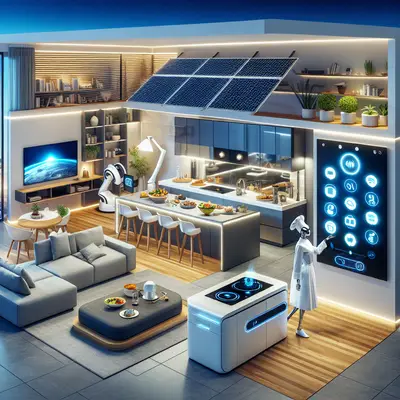
If “cursed comments” existed as a kitchen, it would be this: connected appliances that talk back, drag your bad habits, and keep you honest about how you actually eat.
We’re watching kitchen brands like Samsung, LG, and GE Profile lean hard into AI‑powered cooking. Smart ovens now recognize ingredients, suggest recipes, and auto‑adjust settings. But the new wave is personality. Think an oven that pops up a notification: “You’ve ordered delivery 3 nights in a row. Want a 20‑minute pasta instead?” Or a fridge that calls you out with an app alert: “Those veggies you swore you’d eat? 2 days away from becoming compost.” With Amazon’s Alexa, Google Assistant, and even ChatGPT integrations starting to creep into appliance ecosystems, we’re not far from playful, slightly savage kitchen banter becoming normal.
For modern homeowners, this isn’t just novelty—it’s habit‑shaping. Connected meal‑planning apps can sync with your fridge inventory, your health goals, and even your calendar. Picture this: your smart fridge knows you have a late meeting Thursday and pre‑suggests a 10‑minute, one‑pan dinner using what’s already inside. It’s the polar opposite of “what’s for dinner?” gridlock—and way more fun when your appliances feel like they have opinions.
2. Mood‑Reactive Lighting: Your Home, But Set To Your Group Chat
We’ve all seen lighting fails online where bad spacing or harsh white bulbs ruin otherwise beautiful rooms. The internet has made us hyper‑aware of vibe—and lighting is center stage. Designers on TikTok and Instagram are pushing dynamic, layered lighting concepts, and the tech has finally caught up.
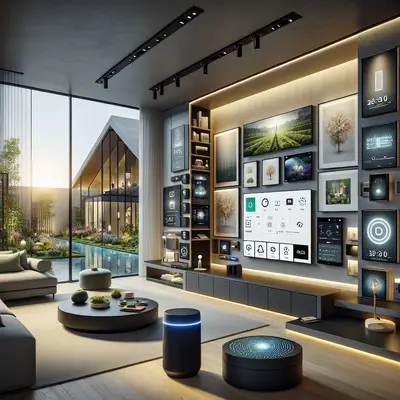
Smart lighting from brands like Philips Hue, Nanoleaf, and Govee now does more than turn on and off. With scene presets, circadian rhythm modes, and music‑sync features, your lighting can adapt in real time: calmer, warmer tones when your calendar shows back‑to‑back meetings, energizing cool light in the morning, and rich, cinematic color shifts when your streaming app launches movie night. There are even experimental setups that respond to social notifications—subtle color pulses when a DM from your “favorites” list lands, while the rest of your phone stays on silent.
The real flex for modern homeowners is how seamlessly you can match your space to your headspace. Imagine walking in after a brutal commute and your home—reading your location and schedule—automatically triggers “ decompression mode”: soft amber lighting, your go‑to playlist, and the diffuser kicking on. It’s not just smart; it feels curated, like living inside your own mood board.
3. “Third Place” Living Rooms: Turning Your Feed Into a Social Hub IRL
We spend so much time reading screenshots of Uber stories, chaotic DMs, and “overheard” conversations that our phones have become our default social space. But there’s a counter‑trend brewing: turning living rooms into legit “third places” again—IRL hangout zones that feel as easy and entertaining as your best online scroll.
The tech driving this is deceptively simple: ultra‑short‑throw projectors, spatial audio, and multi‑screen setups. Ultra‑short‑throw projectors from brands like LG, Epson, and Hisense can sit inches from the wall and throw up 100"+ displays, turning any blank surface into a cinema, gaming arena, or watch‑party screen. Couple that with smart soundbars and hidden subwoofers, and you’ve basically built an experience that rivals a night out—without leaving the couch.
Pair this with social streaming: watch‑party apps, live sports overlays, and platforms like Discord, Twitch, and TikTok running on the big screen. Your living room becomes the place where people actually want to gather—phones out, sure, but pointed at the same thing. For homeowners, it’s a lifestyle upgrade that blends digital and physical: host F1 Sundays, concert live‑streams, cozy “Northern Lights” nature doc nights, or even geography quiz battles with friends using interactive apps. It’s entertainment that feels communal, not just another night of everyone scrolling in silence.
4. Quiet Luxury, Quiet Tech: Design‑First Devices That Disappear
One thing those “cursed design” posts make painfully clear: ugly tech can ruin a room. The new luxury in home tech isn’t just performance—it’s invisibility. We’re seeing a wave of design‑led devices that either blend in like high‑end decor or vanish completely when not in use.
Think frame TVs that look like art (Samsung’s The Frame basically turned screens into gallery pieces). Or speakers disguised as sculptures and lamps, like Sonos Era speakers tucked into bookshelves, or IKEA’s Symfonisk line masquerading as picture frames and side tables. Even routers—a traditional eyesore—are getting glow‑ups, with mesh systems designed as minimal, sculptural objects you don’t mind leaving out.
For modern homeowners who care about aesthetics as much as specs, this is huge. Instead of working around tech, you design with it. Hide a retractable screen in your ceiling, integrate wireless charging into side tables, and pick air purifiers that look like vases, not medical equipment. The result: a quiet, high‑functioning, fully connected home that still photographs beautifully—and doesn’t end up on a “real estate listings from hell” compilation.
5. Algorithm‑Friendly Floors: Homes Built For Content Creation (Even If You’re Not an Influencer)
We’re in an era where people build entire rooms just for filming GRWMs, cooking reels, or product reviews—and that’s bleeding into mainstream home design. Even if you never plan to start a channel, this “creator‑first” mindset can seriously upgrade how your home works day to day.
At a basic level, it’s about sight lines, acoustics, and plug placement. Good natural light where you actually spend time (kitchen, desk, reading corner). Outlets and USB‑C ports where laptops and ring lights live, not trapped behind sofas. Better soundproofing so multi‑person households can be in meetings, gaming, and watching shows without chaos. More advanced homeowners are adding flex spaces: a wall that flips between being a projection surface and a photo backdrop, or a desk with built‑in cable management, camera mounts, and LED panels that double as ambient lighting when work’s done.
Hardware is catching up too: webcams that clip onto any screen, wireless lav mics that plug into phones in seconds, and AI‑powered cameras that auto‑track you while you move around the kitchen or studio. Even if your “audience” is just a few friends on FaceTime, a home that’s built to share your life—clearly, comfortably, beautifully—feels very of‑the‑moment. It’s architecture for a world where almost everything eventually ends up on camera.
Conclusion
The same internet that gives us cursed comments, chaotic Uber stories, and endlessly shared “design fails” is rewriting the rules for how our homes should perform. We expect personality from our appliances, vibes from our lighting, seamless social spaces, invisible hardware, and rooms that are ready for the camera at any moment.
Modern home tech isn’t about owning the latest gadget for the flex—it’s about creating a living space that understands how you move, work, cook, scroll, and recharge. The next time you’re laughing at a viral post about someone else’s disastrous setup, take it as inspiration: your home can be smarter, chicer, and way more you.
Key Takeaway
The most important thing to remember from this article is that this information can change how you think about Home Tech.