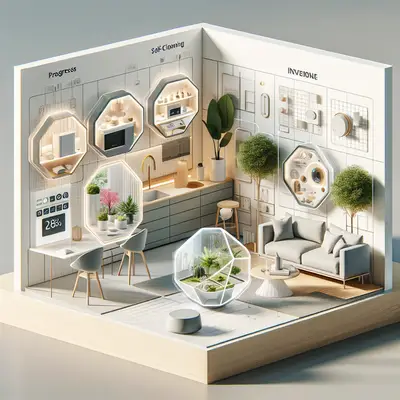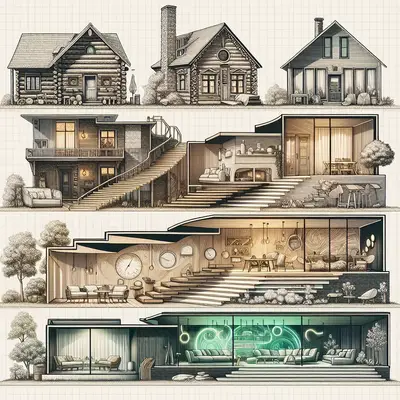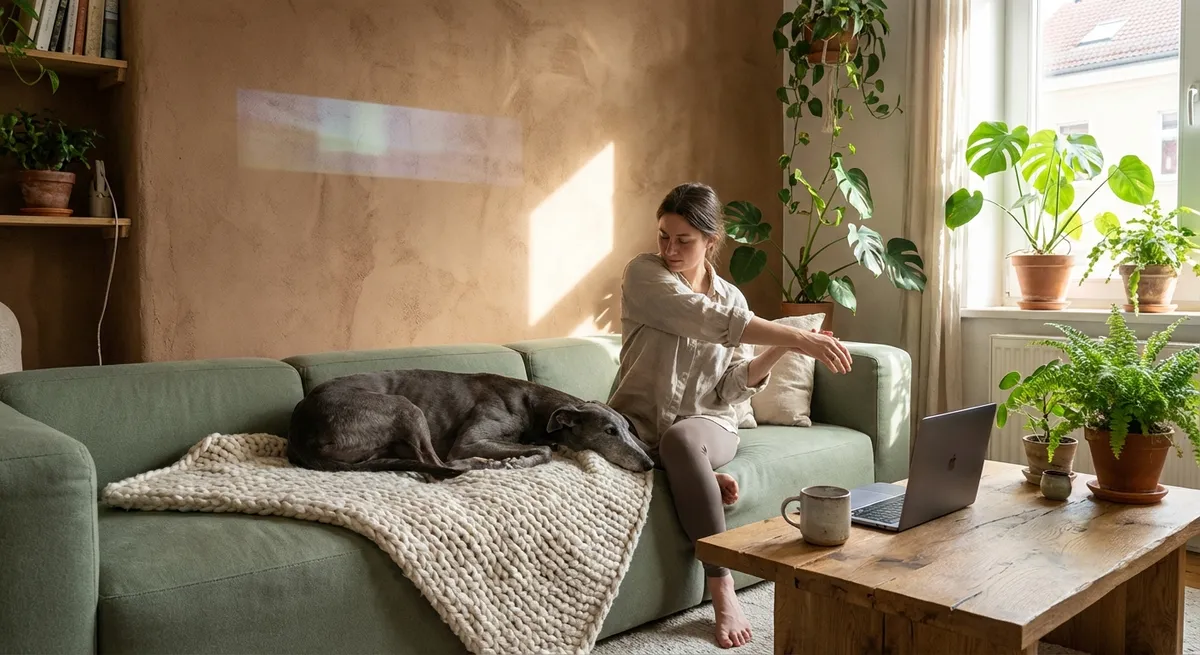
Home doesn’t have to look like a showroom or a sci‑fi movie set to feel modern. Today’s interiors are all about ease: spaces that flex with your day, tech that disappears into the background, and details that quietly work harder than they look. Think less “perfect picture” and more “this fits my life on Tuesday at 8 p.m.”
Below are five innovative home-living ideas that feel current, livable, and designed for everyday chaos—in the best way.
1. Zoned Living: One Room, Multiple Personalities
Open layouts are great… until you’re trying to work, relax, and host in the same space. Zoned living is the upgrade: instead of building walls, you design “mini worlds” inside a room.
Use area rugs to visually carve out different zones—a deep-pile rug with a low coffee table signals “lounging,” while a flat-weave rug with a slim desk and task lamp says “focus mode.” Low bookshelves or slim consoles can act as subtle dividers without blocking light or sightlines.
Lighting does a lot of heavy lifting here. A floor lamp on a dimmer instantly separates a cozy reading corner from a brighter, functional dining area. Even shifting your sofa to float in the middle of the room (with a console behind it) can create a clear boundary between “living” and “working.”
The goal isn’t to make the room feel chopped up; it’s to create pockets of intention so your space supports how you actually use it—morning to night, weekday to weekend.
2. Tech That Disappears Into the Design
Modern homeowners want their homes connected, not cluttered with gadgets. The vibe: function-first tech that practically vanishes into the background.
Instead of a tangle of chargers, build charging into your furniture—look for side tables and lamps with discreet USB-C ports and wireless charging pads built into the base. Hide bulky routers and hubs inside ventilated cabinets or media consoles to keep surfaces clean while maintaining signal strength.
Sound is another big one. Rather than speakers on every shelf, consider in-wall or ceiling speakers that blend with the architecture. If that’s not an option, choose speakers in fabric or neutral finishes that read as decor, not devices.
Window shades are going smarter and quieter—motorized blinds that tuck neatly into the frame keep lines clean, and many now sync with apps or voice control so you can adjust light without visible cords or heavy mechanisms.
The guiding principle: your home should feel calm and visually coherent, even if it’s quietly running on a lot of smart systems.
3. Material Mixes That Feel Calm, Not Chaotic
We’ve moved past the “everything gray” era, but maximal color and pattern isn’t for everyone. The new sweet spot is a layered, edited mix of materials that adds depth without visual noise.
Start with a base of soft neutrals in your larger pieces—sofas, rugs, big storage—and bring interest through contrasting textures. Think: a boucle chair against a smooth plaster wall, ribbed wood cabinets under a stone countertop, linen curtains framing sleek metal window hardware.
Natural materials age well and photograph beautifully: light oak, travertine, jute, and ceramics add quiet character. Balance them with a few sharper notes—black metal, smoked glass, or polished chrome—to keep the look from going too soft or coastal.
The trick is repetition. Reuse the same few finishes throughout your space: the same metal on your lighting and door hardware, the same wood tone across shelves and side tables. It creates a sense of continuity that feels elevated without being overly styled.
4. Storage That Doubles as Design
Clutter is inevitable; visible clutter is optional. The smartest interiors hide storage in plain sight, so your everyday stuff has a home—but your home doesn’t look like a storage unit.
Opt for closed-front cabinets and sideboards in high-traffic spaces, then style just the top surfaces with a few intentional pieces: a lamp, a stack of books, a sculptural bowl to catch keys or remotes. In smaller spaces, look for coffee tables with hidden compartments or nesting tables that slide away when not in use.
Bench seating with built-in storage is a game changer for entryways and dining nooks—shoes, bags, blankets, and board games can disappear underneath while the bench itself reads as architectural. In bedrooms, consider wall-mounted nightstands with drawers instead of simple shelves to hide cords, chargers, and nightstand clutter.
The design mindset: every visible surface should earn its place, and every “pretty” piece should either store something, serve a function, or shift easily as your routine changes.
5. Light That Changes With Your Day
Lighting is no longer just about “bright” or “dim.” The most livable homes use light to support your energy, mood, and routine—without you having to think about it.
Layer three types of light in every main space: ambient (your big, overall glow), task (focused light for reading, cooking, or working), and accent (lamps, picture lights, or strips that highlight art, shelves, or architectural details). This gives you flexibility to shift the feel of a room instantly.
Color temperature matters too. Warmer light (around 2700K–3000K) in living and bedroom spaces feels softer and more flattering; slightly cooler light (around 3500K–4000K) works well in kitchens and work zones where clarity matters. Smart bulbs let you adjust this throughout the day—cooler in the morning when you need to wake up, warmer at night when you want to unwind.
Consider subtle upgrades like LED strips under cabinets for a floating effect, or behind headboards and media units for a soft halo glow. These touches feel elevated but stay low-drama, and they’re especially impactful in smaller spaces where every visual layer counts.
Conclusion
Modern interiors aren’t about chasing trends; they’re about designing a home that keeps up with you. Zoned living, invisible tech, quiet materials, functional storage, and responsive lighting all work together to create a space that feels current without feeling precious.
If your home can switch from workday to wind-down, from solo night in to friends dropping by—with minimal effort—that’s the new version of luxury.
Sources
- American Society of Interior Designers (ASID) – 2024 Trends Outlook - Industry report on how people are using and designing home spaces today
- Harvard Joint Center for Housing Studies – Remodeling Trends - Research on how homeowners are investing in interiors and functionality
- U.S. Department of Energy – LED Lighting Basics - Guidance on color temperature, efficiency, and layering light at home
- National Kitchen & Bath Association (NKBA) – Design Trends - Insights on integrated storage, material choices, and smart features in home spaces
- IKEA – Home Living Research & Life at Home Reports - Global research on real-life home behaviors, zoning, and multifunctional living
Key Takeaway
The most important thing to remember from this article is that this information can change how you think about Interior Design.