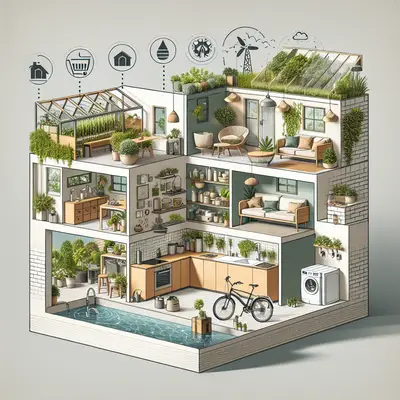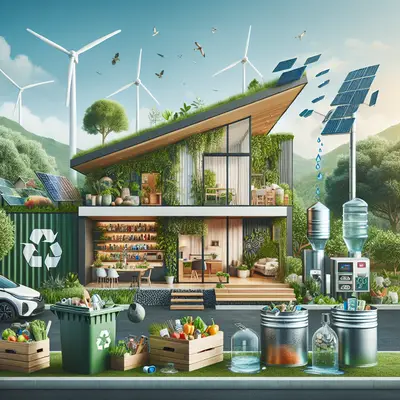
Sustainable living isn’t about moving to an off-grid cabin or giving up everything you love. It’s about designing a home that feels current, calm, and clever with how it uses energy, water, and stuff. Think: less guilt, more intention—and a space that quietly flexes your values every day. If you’re a modern homeowner (or aspiring one), these ideas aren’t about perfection. They’re about upgrades that look good, feel elevated, and actually fit your life.
1. The “Quiet Efficiency” Kitchen
The kitchen is where sustainability can either shine or totally collapse. Instead of a full gut renovation, focus on targeted upgrades that make daily rituals smarter and smoother.
Start with your appliances. Induction cooktops, for example, not only heat faster and more precisely, they’re significantly more efficient than traditional electric or gas and help keep your kitchen cooler. Pair that with an Energy Star–rated dishwasher and fridge, and you’ve just lowered your home’s baseline energy use without changing your cooking style.
Go deeper by rethinking your storage. Transparent glass or clear container systems can make you actually see what you have, cutting down on food waste and “mystery leftovers.” Add one small, stylish countertop compost bin or a pull-out compost drawer so food scraps go somewhere useful instead of straight to the trash.
Lighting matters too: swap overhead-only lighting for layered LEDs—under-cabinet strips, warm pendants, and dimmers—so you’re not blasting full wattage at 10 p.m. A quieter, lower-energy kitchen doesn’t just use less; it feels calmer and more intentional.
2. Climate-Savvy Comfort: A Home That Learns You
Sustainable living doesn’t mean living in a house that’s always slightly too cold or too hot. The new sweet spot is “climate-smart comfort”—spaces that feel amazing while using less energy in the background.
A smart thermostat is the obvious entry point, but the real power comes from pairing it with your actual lifestyle. Program it around your real routines (not generic presets): what time you actually leave for work, when you tend to stay up late, or when your home office gets afternoon sun. Many newer models learn patterns over time and adjust automatically, helping you avoid heating and cooling empty rooms.
Insulation and sealing are the unsung heroes here. Adding better insulation or sealing gaps around windows and doors isn’t “Instagram pretty,” but it’s the difference between a home that leaks energy and one that holds its temperature like a high-end hotel. For renters or those not ready for major upgrades, thermal curtains, draft stoppers, and thick rugs can make a surprisingly big difference.
The end goal: a space where you tap your thermostat less and enjoy a more consistent, cozy backdrop to your day, while your energy usage quietly drops.
3. Water as a Design Feature, Not Just a Utility
Water efficiency has moved far beyond “turn off the tap while brushing.” You can treat water like part of your home’s design story—something that feels luxe but works smarter behind the scenes.
Start with fixtures you interact with daily: faucets, showerheads, and toilets. High-efficiency models have evolved; the good ones now deliver strong water pressure while still cutting usage dramatically. Many modern fixtures look minimal and sculptural, so you’re not trading style for savings.
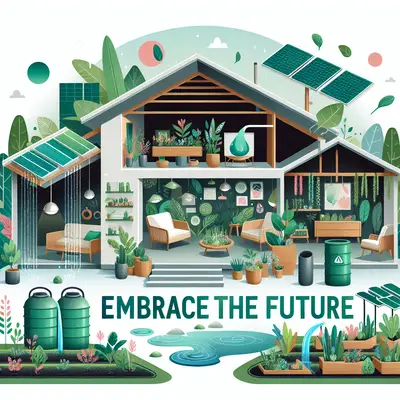
If you have outdoor space, consider rainwater harvesting. Even a compact rain barrel system can collect water for plants, gardens, or washing outdoor areas. Paired with native or drought-tolerant landscaping, you’re creating an ecosystem that needs less constant watering and maintenance.
Inside, small layout decisions matter too. Grouping water-heavy zones—like laundry and bathrooms—can make future upgrades (like greywater reuse systems, where allowed) easier. Even if you’re not there yet, you’re future-proofing your home for the next wave of sustainable tech and regulations.
Water efficiency done right feels like a spa: clean lines, calming rituals, and a quiet confidence that you’re not wasting resources every time you shower or water your plants.
4. Circular Style: Designing a Home with a Second Life in Mind
The most sustainable piece of furniture is the one that already exists—or the one that can easily evolve. Circular design is about choosing pieces and materials that can be repaired, reused, or reimagined instead of tossed.
Instead of chasing fast-furniture trends, look for core pieces with solid frames, neutral silhouettes, and replaceable parts: sofas with removable covers, dining chairs with reupholsterable seats, modular shelving you can reconfigure as life changes. This gives you styling freedom without starting from zero every time you want a new look.
Vintage and secondhand are having a huge moment for a reason. Well-made older pieces often outlast newer, cheaper items and add that lived-in character new builds can lack. Pair one bold vintage item—a credenza, a coffee table, a statement chair—with more minimal contemporary pieces to keep your space feeling fresh, not cluttered.
Even decor can go circular: art printed on sustainably sourced paper, textiles made from recycled fibers, or rugs designed to be recycled at the end of their life. The mindset shift? Instead of “Will this look good in my feed right now?” ask, “Can this grow with me for the next decade?” That’s sustainable—and genuinely elevated—living.
5. Micro-Greenspaces: Bringing Nature to Any Floor Plan
You don’t need acreage to live with a bit of wildness. Micro-greenspaces—tiny, intentional pockets of nature—can make a home feel calmer, cleaner, and more alive, even in urban apartments.
Start with light. Map where the sun hits throughout the day and place plants accordingly: low-light-tolerant varieties (like snake plants or ZZ plants) in dim corners, and sun-lovers near bright windows. Mix heights and textures—trailing plants on shelves, small trees in corners, countertop herbs in the kitchen—to create a layered, organic feel.
If you have limited space, vertical gardening is your best friend. Wall-mounted planters, hanging pots, or balcony rail planters turn previously unused surfaces into mini ecosystems. Herbs and salad greens are particularly rewarding; snipping basil or mint straight from your wall garden makes even simple meals feel elevated.
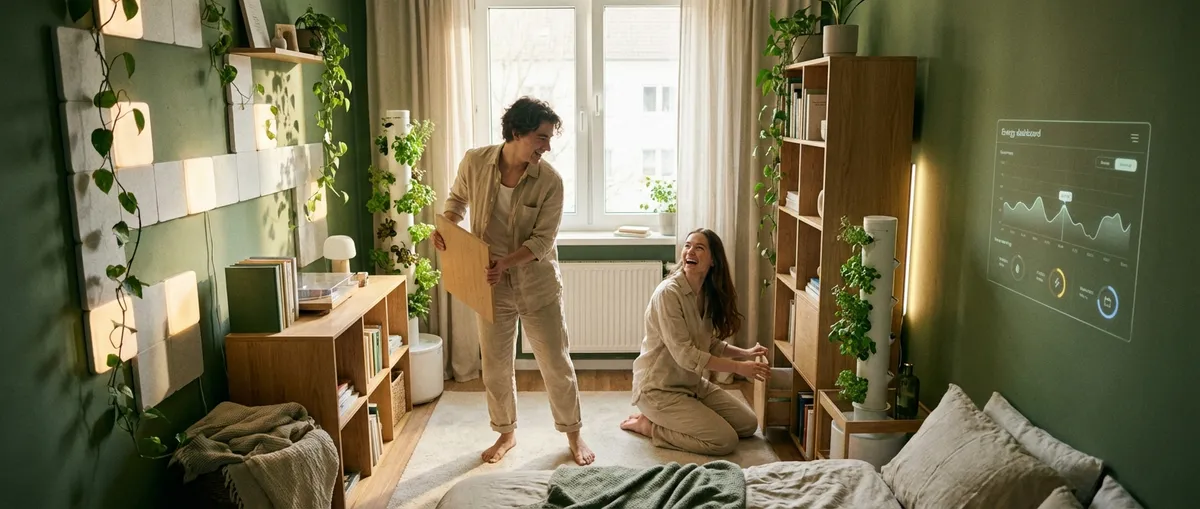
Beyond aesthetics, plants can support better air quality and mental health, especially when paired with good ventilation and natural light. You’re not trying to recreate a jungle—you’re curating small, intentional green moments that anchor your day: the plant by your work desk, the herb pot on your windowsill, the leafy corner you see when you first wake up.
Conclusion
Sustainable living at home isn’t one giant makeover; it’s a series of smart, stylish decisions that add up. An efficient kitchen that still feels indulgent, a home climate that quietly adapts to you, water that works harder without you noticing, furniture that can live multiple lives, and small greenspaces that soften your edges—that’s the new version of “eco.”
You don’t have to do everything at once. Pick one area that feels most exciting (not just “responsible”), start there, and let that momentum shape the rest of your home. The most sustainable homes aren’t perfect—they’re evolving, just like the people who live in them.
Sources
- U.S. Environmental Protection Agency – Energy Star Appliances - Overview of certified energy-efficient appliances and their benefits
- U.S. Department of Energy – Energy Saver - Guidance on home energy efficiency, insulation, and smart thermostat use
- EPA WaterSense Program - Information on high-efficiency water fixtures and how they reduce water use
- Ellen MacArthur Foundation – Circular Economy in the Home - Explains circular design principles relevant to interiors and products
- Harvard T.H. Chan School of Public Health – Health Benefits of Plants and Green Spaces - Research-based insights on how indoor and outdoor greenery supports wellbeing
Key Takeaway
The most important thing to remember from this article is that this information can change how you think about Sustainable Living.