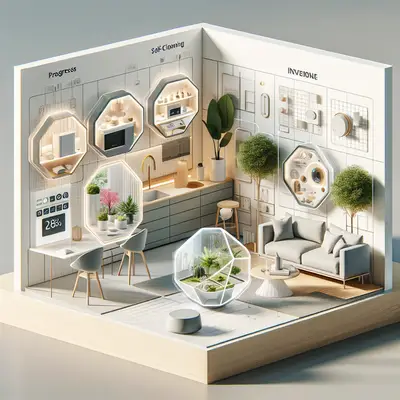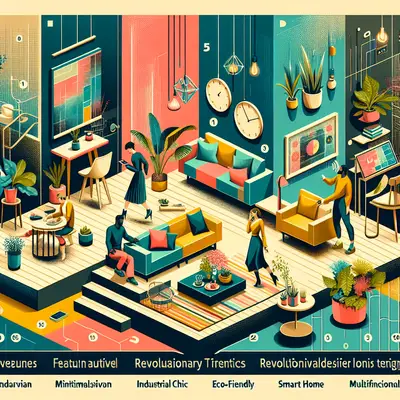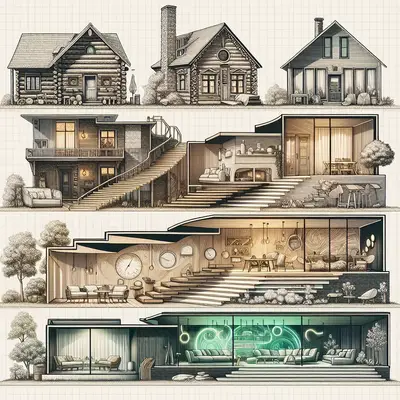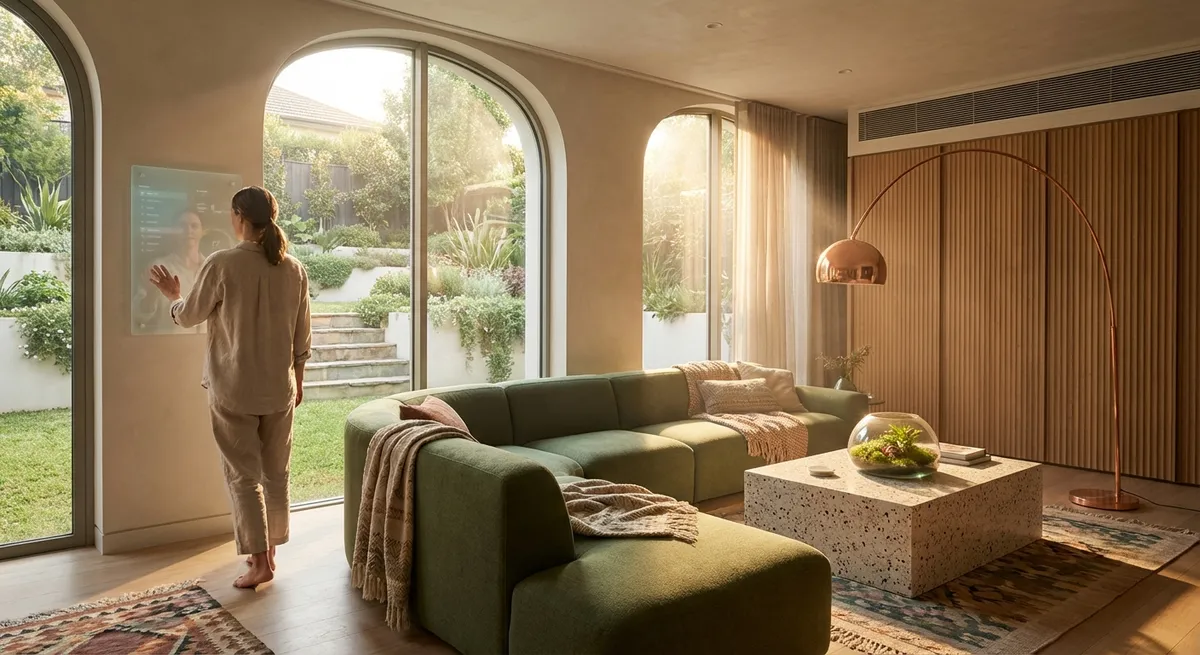
Our homes are no longer just “where we live”—they’re how we work, reset, create, and connect. The most interesting interiors right now aren’t about showy renovations; they’re about quiet upgrades that make every day feel more intentional, more flexible, and more you.
Think: rooms that shift with your schedule, tech that disappears into the design, and materials that feel good now and age beautifully later. These five ideas are all about designing a home that lives at your pace—and looks good doing it.
1. Layouts That Flex With Your Real Life (Not Just Floor Plans)
Static floor plans are out; shapeshifting layouts are in. Modern homeowners are rethinking their rooms based on what actually happens at home in a week, not what the blueprint suggests.
The new approach is “zoning,” not room-by-room thinking. A dining area doubles as a creative studio with stackable chairs and a slim console that moonlights as a desk. A generous hallway becomes a reading lane with built-in bookshelves and a bench with storage. A guest bedroom trades a bulky bed for a wall-mounted or modular sofa, opening the space for yoga, gaming, or Zoom calls during the week.
Sliding panels, open shelving, and lightweight furniture make it easy to reconfigure without committing to a full remodel. Instead of one “perfect” layout, you’re designing for multiple micro-moments: weekday mornings vs. weekend nights, solo time vs. group hangs. The home becomes an interface—simple to switch, intuitive to live in.
2. Hidden-Comfort Design: Soft Where It Matters
We’re spending more hours at home, and our spaces need to be softer without looking like a sleepover lounge. The vibe: visually clean, physically plush.
Ergonomic design isn’t just for office chairs anymore. People are prioritizing rounded edges on coffee tables (safer, more relaxed), deep sofas with supportive cushions, and layered window treatments that tone down glare and sharpen screen visibility. Even “hard” elements are going softer—think limewash paint with a clouded finish, textured plaster walls, and matte stone surfaces that feel more touchable than glossy granite.
The secret move is hidden comfort: underfoot heating in bathrooms, acoustic panels disguised as wall art, blackout linings behind elegant curtains, and memory-foam rug pads under flat-weave rugs. Your space can still look polished and minimal in photos, but in person, everything feels gentle, padded, and designed for real lounging, not just styling.
3. Material Stories: Mixing High-Tech With Honest Textures
The most interesting interiors now are mixing high-tech function with deeply tactile materials. It’s not “smart home vs. natural home” anymore—it’s both, in the same vignette.
A sleek induction cooktop built into a honed stone countertop. A frame TV that hangs above a vintage wood console. Wireless charging inside a marble or terrazzo side table. USB outlets hidden inside cane-front nightstands. The contrast between digital and organic makes both feel intentional rather than random.
Homeowners are also thinking about how materials will age. Solid wood that gains character instead of chipping, real stone that patinas, metal fixtures that develop a subtle wear—all add a sense of permanence in a world where everything else updates every five minutes. Paired with durable performance fabrics (hello, crypton or stain-resistant weaves), you get interiors that can handle coffee spills, kid chaos, pets, and party nights without feeling fragile.
4. Micro-Ritual Zones: Designing for Little Daily Luxuries
The most transformative design upgrades aren’t always big renovations—they’re small, dedicated zones for everyday rituals. Instead of one “perfect room,” you curate pockets of joy throughout the home.
A morning corner might be a low-profile armchair by the brightest window, a slim side table, and a carafe for water or coffee gear. A wind-down station could be a dimly lit console with a tray for candles, a Bluetooth speaker, and a catch-all for your phone to stay put while you unplug. In a bedroom, a mini wellness nook might hold a rolled yoga mat, a small basket for resistance bands, soft lighting, and a wall hook for headphones.
These zones don’t require extra square footage—they’re more about intention than size. Clear surfaces, consistent lighting, and a defined purpose make them feel like “destinations” within your home. You’re designing not for how a room looks on a floor plan, but for how you want your day to feel, one tiny ritual at a time.
5. Lighting as Mood Architecture, Not Just Utility
Lighting has quietly become the most powerful design tool in modern homes. It shapes how a space feels before you notice the sofa, the art, or the wall color.
Layered lighting is the new baseline: ambient (overhead), task (focused), and accent (decorative). Instead of a single bright ceiling light, homeowners are using warm, dimmable sources at multiple levels—floor lamps, picture lights, wall sconces, and under-cabinet strips. The result: mornings feel crisp and motivating, evenings look cinematic and calm.
Color temperature matters, too. Warmer light (around 2700–3000K) in living and bedroom areas keeps the atmosphere cozy and sleep-friendly, while neutral light works best at desks or kitchen prep zones. Smart bulbs and discreet controls mean you can shift from “work mode” to “dinner party” to “movie night” without rearranging a thing. Your lighting becomes a kind of emotional architecture, re-sculpting the same four walls throughout the day.
Conclusion
Modern interior design isn’t about chasing trends or staging a perfect-looking room. It’s about designing a home that keeps up with you: flexible layouts, comfort you can actually feel, materials that age with character, micro-zones that support your rituals, and lighting that changes the whole mood with a tap.
When your home is built around how you live—not just how it looks—everyday life starts to feel a little more intentional, a little more luxurious, and a lot more sustainable for the long haul.
Sources
- Harvard Joint Center for Housing Studies – The Future of the U.S. Housing Market - Insights on how changing lifestyles are reshaping housing and interior needs
- American Society of Interior Designers (ASID) – 2024 Trends Outlook - Professional overview of current interior design and living trends
- Lighting Research Center – Residential Lighting - Research-backed guidance on how lighting affects mood, health, and daily life at home
- Mayo Clinic – Sleep Environment: How Light Affects Sleep - Explains why warm, dimmable lighting in the evening supports better rest
- United States Environmental Protection Agency – Indoor Air Quality Basics - Background on indoor environments and why materials and layout choices matter for wellbeing
Key Takeaway
The most important thing to remember from this article is that this information can change how you think about Interior Design.