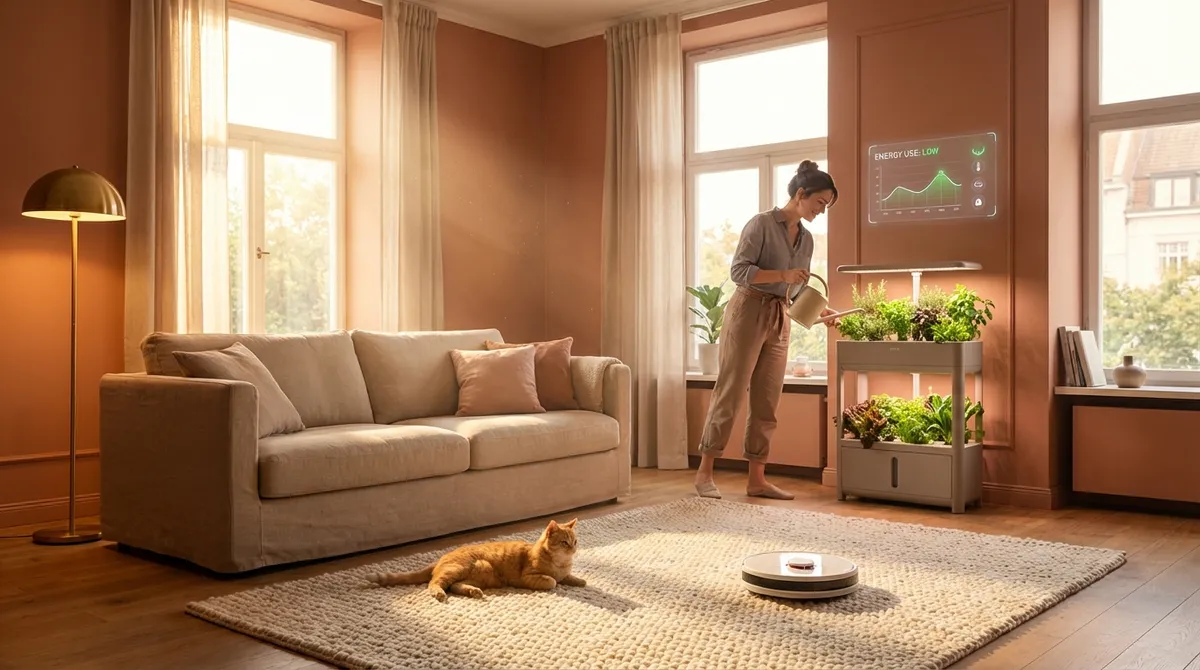
Smart homes aren’t just about voice commands and glowing screens anymore—they’re about creating a space that quietly knows you, supports your routine, and looks good while doing it. Think less “sci‑fi movie set,” more “calm, beautifully designed home that just…handles things.”
Below are five innovative ideas that modern homeowners are actually using right now—no gimmicks, no tech flexing required.
A Home That Knows Your Rhythm, Not Just Your Wi‑Fi
The smartest homes today don’t just turn lights on and off; they learn how you actually live.
Instead of manually setting dozens of schedules, you can use systems that study your patterns—when you wake up, which rooms you really use, how often you open the blinds—and adjust automatically. A thermostat that learns your preferred temps during work hours vs. late-night streaming can save energy without you obsessing over settings. Lighting scenes that subtly shift color and brightness throughout the day support your circadian rhythm, making mornings less harsh and evenings more relaxed. Motion and occupancy sensors keep bathrooms, hallways, and pantries lit only when needed, trimming both your bill and visual clutter. Over time, these systems stop feeling like “tech” and start feeling like part of the house’s personality—quietly supporting you in the background instead of demanding your attention.
Seamless Security That Doesn’t Feel Like a Fortress
Home security has moved on from bulky cameras and blaring alarms; it can now blend into your space and your lifestyle.
Discreet doorbell cameras and smart locks allow you to see who’s at the door, let in a guest, or accept a delivery from your phone—even if you’re across town. Instead of invasive 24/7 surveillance inside, focus cameras on entry points and outdoor areas, then pair them with smart lighting that turns on when motion is detected. Modern systems can differentiate between a passing car, your dog in the yard, and an actual person approaching your door, so you’re not spammed with useless alerts. Temporary access codes for cleaners, dog walkers, or visiting friends mean no more hiding keys under mats. The result: a home that feels open and welcoming day to day, but instantly “locks in” when you need it to—without the heavy vibes of old-school alarm systems.
Kitchen Tech That Makes You Want to Cook (and Not Waste)
The modern kitchen is becoming a quiet command center, helping you cook better, waste less, and cleanup faster—without turning the space into a gadget showroom.
Smart refrigerators can remind you when food is about to expire and suggest recipes based on what’s inside, which is huge for cutting down on food waste and last-minute “what do we eat?” stress. Connected ovens that preheat from your phone or automatically shift from bake to keep-warm mode help you pull off weeknight meals without babysitting the timer. Voice-controlled faucets let you call out exact measurements (“fill one cup”) when your hands are full or messy. Even smaller moves—like app-connected coffee makers or induction cooktops with precise temperature control—make daily rituals smoother. The key is choosing tech that respects your counters and your time: helpful, streamlined, and easy to ignore when you just want to cook pasta and chill.
Wellness Built Into the Walls (Not Just Your Apps)
Wellness at home is no longer just about a yoga mat in the corner—it’s about the actual environment you live in, all day.
Smart air purifiers and connected HVAC filters track and react to indoor air quality, adjusting fan speeds when pollution or pollen spikes outside. If you live in a city, pairing air monitoring with sealed windows and a fresh-air intake system can make a massive difference in how you sleep and focus. Smart blinds and glass tints can manage sunlight and glare automatically, protecting furniture while also giving you natural light when your body needs it. In the bathroom, digital showers let you set preferred temperatures and flows for different family members, while built-in speakers make it easier to lean into a morning routine or evening unwind session. Layer in circadian-friendly lighting throughout the house, and your home starts acting more like a wellness partner than just a backdrop.
Flexible Spaces Powered by Subtle Smart Tech
Hybrid work, side projects, hosting, hobbies—most homes now need to flex for multiple roles in a single day, and smart features can make that shift feel almost instant.
Imagine a “work mode” that, with one tap or voice command, brightens task lighting, powers on your monitor, adjusts your desk height, and mutes non-essential notifications on certain devices. A “gather mode” could soften the lighting, cue your playlist, and set the thermostat to a comfortable level for a full living room. Smart plugs and scenes can transform a spare room from gym to guest space: turning on fans, dimming lights, and closing blinds for a sleep-friendly vibe at night, then flipping back to bright, energizing light for workouts in the morning. The tech doesn’t have to be visible—hide it in switches, outlets, and sensors—and suddenly your home feels responsive, not crowded with gadgets.
Conclusion
Modern smart living isn’t about filling your place with the latest devices; it’s about curating a home that quietly backs you up, saves you time, and keeps things calm and considered.
The best upgrades are the ones you stop noticing because they just work: climate and lights that match your day, security that doesn’t shout, a kitchen that supports real cooking, wellness that’s built in, and rooms that pivot with your life. Start with one area that feels friction-heavy right now—your mornings, your entryway, your work zone—and build from there. The future-ready home isn’t louder or flashier; it’s smoother, softer, and far more you.
Sources
- U.S. Department of Energy – Smart Home & Smart Grid - Overview of how smart tech and connected systems improve energy efficiency and reliability
- ENERGY STAR – Smart Thermostats - Details on how smart thermostats learn behavior and help reduce energy use at home
- Harvard T.H. Chan School of Public Health – The Impact of Air Quality on Health - Research on why indoor air quality improvements matter for wellness
- Mayo Clinic – Light and Your Sleep - Explanation of how lighting affects circadian rhythm and sleep quality
- Consumer Reports – Guide to Home Security Systems - Independent guidance on choosing modern, effective home security setups
Key Takeaway
The most important thing to remember from this article is that this information can change how you think about Smart Homes.