Smart homes aren’t just about flexing the latest gadget anymore—they’re about creating a space that feels calmer, more intuitive, and genuinely easier to live in. Think less “sci-fi showroom,” more “this just fits my life.” If you’re updating your place or planning a new build, smart design can quietly handle the boring stuff in the background so you can focus on, well… living.
Below are five forward-thinking ideas that modern homeowners are loving right now—designed to feel stylish, livable, and totally shareable.
1. Wellness-First Lighting That Moves With Your Day
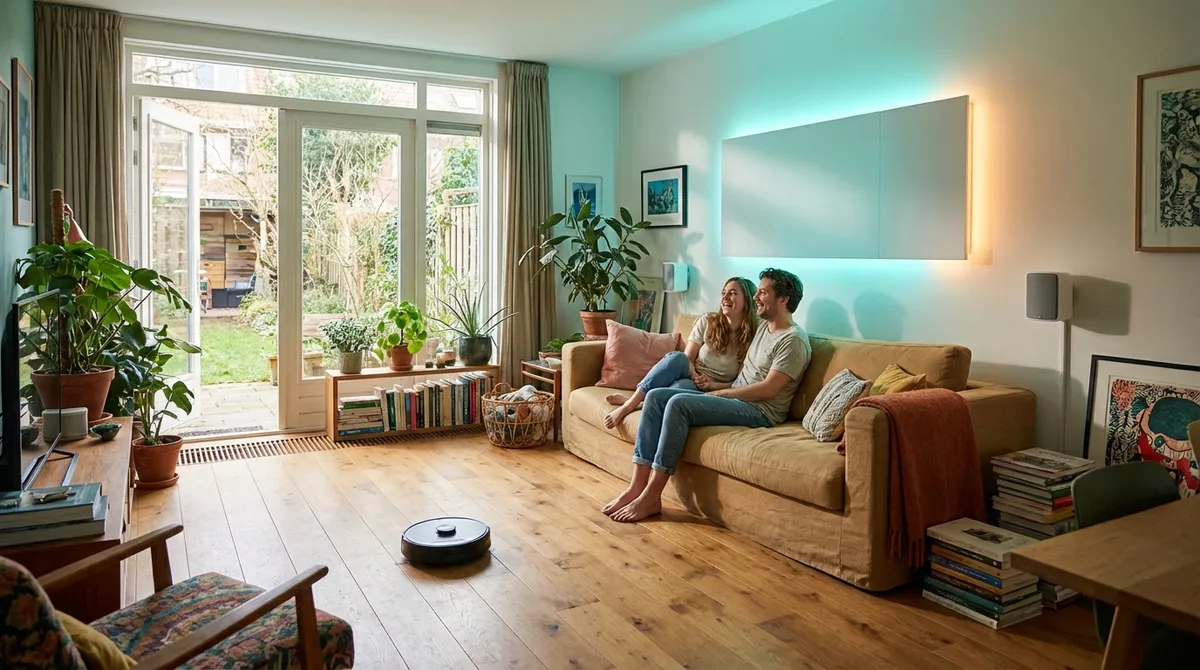
We’re finally over harsh, static lighting. The new flex is lighting that adjusts itself the way natural light does throughout the day—and makes your space and your selfies look better in the process.
Imagine: soft, warm light in the morning that slowly brightens as you wake up, cool-focused light over your desk in the afternoon, and a gentle, amber-toned glow in the evening that tells your brain it’s time to wind down. Smart, tunable LED systems can automatically shift color temperature and brightness based on time, weather, or your schedule.
Modern homeowners are pairing:
- Smart ceiling lights with app or voice control
- Floor and table lamps on connected plugs for layered mood lighting
- Automated “scenes” like Wake Up, Focus, Golden Hour, and Wind Down
The result: better sleep, less eye strain, and a home that always feels “lit” in the right way for whatever you’re doing—work calls, movie nights, or low-key dinner with friends.
2. Kitchen Tech That Thinks Like a Sous-Chef
The smartest kitchens now feel less like gadget museums and more like quietly efficient restaurants in miniature. It’s about tiny upgrades that make everyday cooking, ordering, and cleaning smoother.
Picture this:
- A smart induction cooktop that keeps a pan at a precise temperature so you don’t scorch dinner while answering a text.
- A fridge that tracks what’s inside, suggests recipes, and reminds you when you’re about to waste ingredients.
- A faucet that dispenses exact measurements (“fill 2 cups”) or turns on hands-free while you’re covered in dough.
- A compact smart display that walks you through recipes, timers, and conversions without you touching your phone.
Instead of chasing every new gadget, the win is creating a quietly competent kitchen that supports the way you actually eat—quick weekday meals, batch cooking on Sundays, or hosting nights that look great on Reels but feel effortless behind the scenes.
3. Zoned Comfort: Personalized Climate in Every Corner
The old model: one thermostat, endless thermostat wars. The new model: climate that adapts room-by-room, person-by-person—and doesn’t slam your energy bill in the process.
Smart zoning can look like:
- Smart vents that open and close to direct heating/cooling where you actually are
- Room sensors that track temperature and occupancy, not just one hallway thermostat
- Radiant floor heating in high-touch zones like bathrooms and entryways, controlled from your phone
- Smart blinds and shades that move automatically to block heat in the afternoon and let in sun when it’s cool
With a good setup, your bedroom can stay cooler for sleep, your office can stay bright but not overheated, and your living room can hit that perfect “cozy but not stuffy” zone—without you constantly adjusting things. Bonus: many systems track usage so you can see exactly where you’re saving energy.
4. Hybrid Work Corners That Disappear After Hours
Sprawling home offices are out; flexible, well-designed work nooks are in. The smartest approach now is hybrid spaces that look curated on camera but fold back into “home mode” once you log off.
Key elements modern homeowners are building in:
- A compact, height-adjustable desk that doubles as a console table or vanity
- A smart light or light bar calibrated for video calls (no ring-light glare)
- Acoustic panels or soft furnishings that reduce echo and background noise
- A single power strip or hidden hub where laptops, chargers, and accessories plug in and then tuck away
- A background wall that reads clean and intentional on video: artwork, shelving, or subtle texture instead of clutter
Layer in voice or app-controlled scenes like “Work Mode” (lights bright, noise-cancelling speaker on, temperature slightly cooler) and “Off Duty” (warmer light, music, smart shades closing), and your space shifts vibe with a tap.
5. Micro-Retreat Zones: Smart Tech for Real Downtime
The most luxe smart homes now treat rest and reset as seriously as productivity. Instead of tech everywhere, the focus is tech that supports “off” time—without feeling performative.
A few ideas:
- Spa-style bathrooms with smart showers that remember your preferred temperature and pressure, speakers built into the ceiling, and circadian-style lighting that feels like sunrise or candlelight
- Reading corners with a single smart lamp, a wireless charger side table, and a “Do Not Disturb” setting that silences notifications across devices
- Soundscaped bedrooms using smart speakers or soundbars to play white noise, nature, or guided sleep audio on a timer
- Outdoor micro-retreats: a small deck or balcony with weather-resistant smart lighting, discreet speakers, and a single outdoor plug for warming blankets or a small heater
The goal isn’t to turn your home into a wellness resort—it’s to design tiny pockets of calm that you’ll actually use every day, supported by tech you don’t have to fight with.
Conclusion
Smart living in 2026 isn’t about having the most devices—it’s about curating the right ones so your home runs smoother, feels better, and shows up beautifully both IRL and online. From light that syncs with your mood to kitchens that clean up your cooking chaos, the most future-ready homes are deeply personal, not one-size-fits-all.
Start with one area that frustrates you—bad lighting, constant thermostat battles, chaotic weekday dinners—and upgrade that experience first. When the tech serves your life (not the other way around), “smart home” stops being a buzzword and becomes your new normal.
Sources
- U.S. Department of Energy – Energy Saver: Smart Home Technology – Overview of how smart systems can improve comfort and energy efficiency
- Harvard Health Publishing – Blue light has a dark side – Explains how light affects sleep and why tunable lighting matters
- Mayo Clinic – Sleep: Tips for a better night’s rest – Background on sleep hygiene and environment, including light and noise
- Consumer Reports – Guide to Smart Appliances – Independent look at smart kitchen appliances and what features are actually useful
- U.S. Environmental Protection Agency – Heating and Cooling – Information on efficient heating/cooling and the role of controls and zoning in energy savings
Key Takeaway
The most important thing to remember from this article is that this information can change how you think about Smart Homes.