Your home doesn’t have to look like a sci‑fi movie to feel quietly futuristic. The most interesting tech right now isn’t about giant screens or overcomplicated apps—it’s about small, intentional upgrades that make everyday life smoother, calmer, and a little more “how is this so easy?”
Think: lighting that understands your mood, kitchens that think two steps ahead, and spaces that are ready for whatever’s next without screaming “gadget showroom.” These five ideas are built for modern homeowners who want smart, beautiful, and low‑effort living—without losing the soul of their space.
1. Adaptive Lighting That Shifts With Your Day
Forget the overhead light that’s either “medical exam” bright or “can’t see my own coffee” dim. Adaptive lighting uses smart bulbs, tunable white light, and automated scenes to match what your body and brain actually need throughout the day.
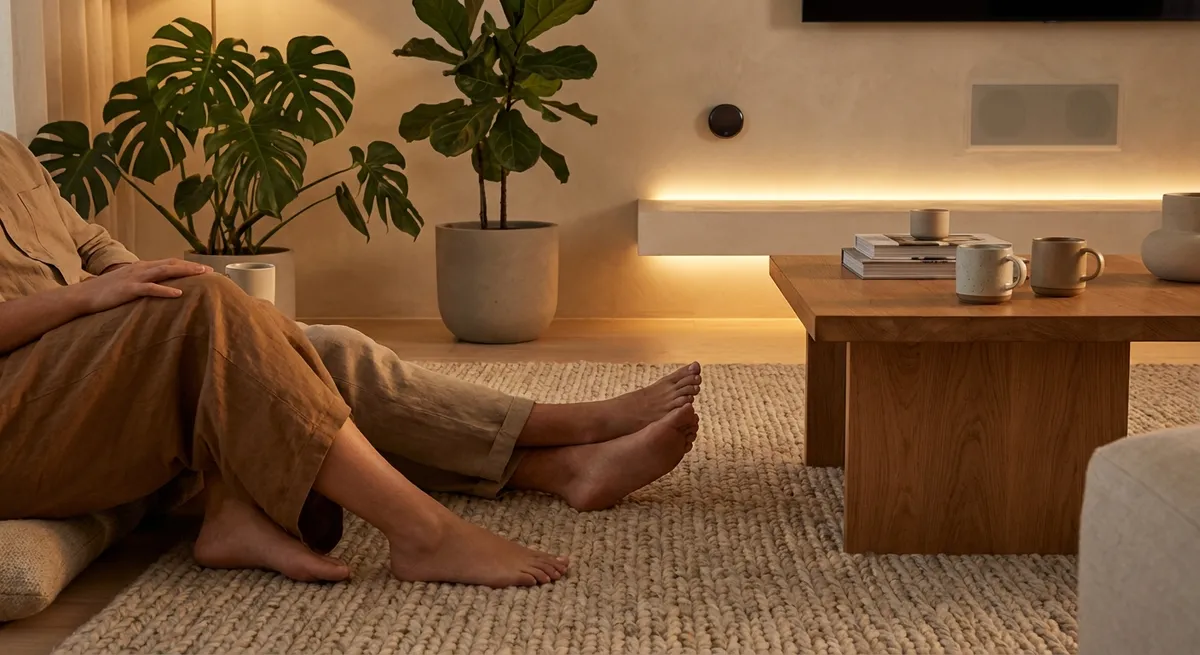
In the morning, cooler light temperatures can help wake you up and boost alertness while you get ready or work from home. By late afternoon, the lighting can soften to reduce eye strain, then transition to warm, cozy tones at night that support better sleep. Many smart lighting systems now sync with sunrise/sunset data, your daily routines, or even your calendar—so your home feels naturally in rhythm without you touching a single switch.
Design-wise, it doesn’t have to look “techy.” LED strips can disappear in coves, under cabinets, or behind headboards, while smart bulbs slip into your existing fixtures. The real upgrade is how your space feels: calmer mornings, softer nights, and lighting that makes everything (and everyone) look better on video calls and at the dinner table.
2. A Seamless Kitchen Hub That Actually Helps You Cook
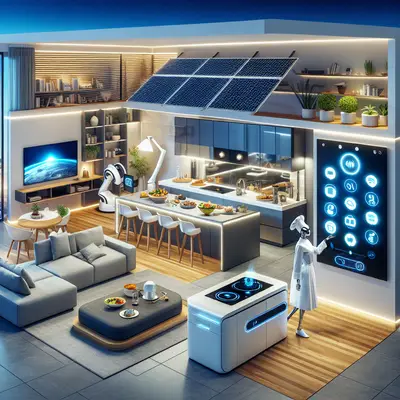
The smartest kitchens now work like quiet assistants, not bossy robots. Instead of one flashy device, think of your kitchen as an ecosystem where a few well‑chosen tools make cooking feel less like a chore and more like a habit you actually enjoy.
Smart induction cooktops, for example, offer precise temperature control and built‑in safety features (surfaces that cool quickly, auto shutoff if a pan is removed). Connected ovens can preheat from your phone, suggest cooking times, or even scan certain foods to set the right program. Many newer fridges can track internal temperatures for food safety, send alerts if a door is left open, or help reduce waste by reminding you what’s about to expire.
Then there’s the low‑key hero: voice or app‑based timers, shopping lists, and recipe guidance that lives on a smart speaker or display. Instead of juggling a phone with flour-covered hands, you can ask for conversions, substitutes, or “how much longer for salmon at 400°F?” Hands-free help and simple sensors add up to something bigger: a kitchen that feels intuitive, not intimidating—whether you’re batch-prepping or just reheating leftovers.
3. Zoned Comfort: Micro-Climate Control for Real Life
Most homes still rely on one thermostat to guess what the entire place needs. Zoned comfort flips that logic. With smart thermostats, room sensors, and localized heating/cooling solutions, you can create micro-climates that match how you actually live.
Maybe you love a cool bedroom at night, a warm bathroom for morning showers, and a slightly cooler home office to stay focused. Smart vents and smart radiators can redirect airflow and adjust temperatures room by room, instead of over-conditioning unused spaces. In smaller homes or apartments, compact smart heaters or smart ceiling fans can make the space feel completely different without touching the central system.
The win here is twofold: comfort and control. You can automate “home,” “away,” and “sleep” modes so you’re not burning energy when no one’s around, and you can still override everything from your phone when travel plans or work days change. This isn’t just about saving on bills; it’s about your home finally matching your personal comfort preferences without constant tinkering.
4. Quiet Security: Discreet Safety Tech That Blends In
Security tech doesn’t have to shout “surveillance.” The newest wave is calmer, subtler, and more design-conscious—delivering peace of mind without turning your living room into a control center.
Modern systems pair small, streamlined cameras with smart door locks, contact sensors, and video doorbells that can blend into your exterior aesthetic. Instead of clunky keypads, you might have an app, a sleek wireless hub, or even smart locks that open via phone, code, or temporary digital keys you share with guests, dog walkers, or cleaners.
The key is customizing how “loud” your system is in daily life. You can set smart alerts that only ping you when something actually matters—like a door left open at night, motion detected when you’re away, or a package dropped off. Combined with good lighting at your entry, smart smoke/CO detectors, and leak sensors in risk zones (under sinks, near water heaters), you get a layered sense of security that feels more like a quiet safety net than a full-time alarm.
5. Hybrid Work Zones That Flex Between On and Off
The home office isn’t going anywhere, but it is evolving. Instead of a permanent, corporate-feeling desk that dominates the room, more homeowners are building flexible, tech-forward zones that can flip between “deep work” and “real life” with minimal friction.
Think streamlined setups: a single USB-C connection to a monitor and dock, wireless keyboard and mouse that tuck away, and a small camera + mic combo that makes you look and sound professional without bulky equipment. Smart plugs can instantly switch your workspace into “on” mode—powering lights, screens, and devices with one command—or into “off” mode to cut blue light and signal your brain that you’re done for the day.
Sound management is a major upgrade point too. Smart speakers with white noise, noise-cancelling headphones for calls, or even acoustic panels that double as art can transform the vibe. The most thoughtful setups acknowledge that your work zone is still part of your home: tech that hides in plain sight, clean cable management, and lighting that can shift from “Zoom ready” to “evening hangout” help your space work hard and still feel like you.
Conclusion
Future-ready home tech isn’t about owning the most gadgets—it’s about designing a space that quietly supports how you want to live. Adaptive lighting, intuitive kitchens, zoned comfort, subtle security, and flexible work zones all share one thing: they make life smoother in the background, so you can actually be present in the foreground.
Start small. Upgrade one zone—maybe your bedroom lighting or your entry security—and let the rest follow. The goal isn’t a “smart home” as a status symbol, but a considered home that feels more like you, with tech that simply helps everything click.
Sources
- U.S. Department of Energy – Lighting Choices to Save You Money - Overview of efficient lighting options and how different types affect energy use and comfort
- Mayo Clinic – Sleep Tips: 6 Steps to Better Sleep - Explains how evening light exposure and environment impact sleep quality
- ENERGY STAR – Smart Thermostats - Details how smart thermostats and zoning can improve comfort and reduce energy consumption
- Consumer Reports – Smart Kitchen Appliances Buying Guide - Independent review of smart appliances and how they work in real kitchens
- Federal Trade Commission – Using IP Cameras Safely - Guidance on privacy and security considerations for connected home cameras
Key Takeaway
The most important thing to remember from this article is that this information can change how you think about Home Tech.