Technology at home doesn’t have to look like a sci‑fi movie or feel like a constant notification. The new wave of home tech is quieter, design‑driven, and built around how you actually live—helping you reclaim time, reduce mental load, and make your space feel more curated than chaotic. Think less “smart gadgets everywhere,” more “invisible systems that make every day smoother.”
Below are five innovative home living ideas that layer tech into your space in a way that feels intentional, calm, and very now.
Seamless Soundscapes: Built-In Audio That Disappears Into Your Space
The era of clunky Bluetooth speakers taking over every surface is over. Today’s design‑minded homeowners are leaning into discreet, built-in audio that feels more like architecture than tech.
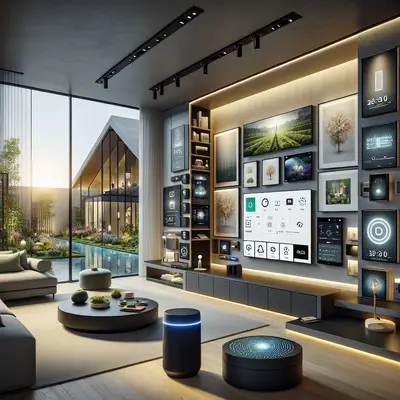
Instead of speakers as focal points, think in‑ceiling or in‑wall units that blend into the room, soundbars that align perfectly with your TV, and even art frames that double as speakers. The goal is a home you can “tune” as easily as you adjust the lighting: morning acoustic playlists in the kitchen, soft ambient tracks in the bathroom, and cinema‑level sound in the living room—without visible clutter.
Multi-room audio systems let you control everything from a single app or voice command, so you’re not hopping between devices. For apartment dwellers or renters, soundstage bars and compact wireless speakers can create a similar effect without opening a single wall. The key is curating zones: a focused audio zone for work, a mellow one for unwinding, and a high‑energy one for friends over—so your home responds to the moment, not just the volume button.
The Elevated Entry: Smart Doors, Drop Zones, and Digital Welcome Rituals
Your entryway is the “loading screen” for your home—and smart tech here can quietly shift the energy from outside mode to home mode.
Video doorbells and smart locks are the basics, but the lifestyle layer is how you set them up. Think: one‑time guest codes for dog walkers and cleaners, auto‑lock schedules for peace of mind, and notifications that blend into your day instead of interrupting it. Doorbells that show you who’s there without having to actually open the door create both security and social comfort.
Pair that with a functional “drop zone” just inside: a wireless charging tray for phones and earbuds, a small drawer or tray for keys and wallets with built‑in trackers, and a slim console with a concealed power strip for charging bags, cameras, or work gear. Add a smart plug to an entry lamp so lights come on automatically at sunset or when the door unlocks—your home instantly feels more welcoming.
The result is an entry that feels like a reset button: your essentials have a home, your space lights up for you, and the outside world feels just a little more filtered before it reaches your living room.
Kitchen Flow, Upgraded: Subtle Tech for Real-Life Cooking
Kitchen tech used to be all about flashy appliances and touchscreens everywhere. The modern approach is quieter: tech that streamlines how you shop, cook, and clean without turning your kitchen into a showroom.
Smart ovens and ranges can preheat from your phone and send a ping when dinner is done, so you’re not tethered to the timer. Induction cooktops deliver precise temperature control and faster boiling while keeping surfaces cooler and easier to clean—a win for both design and safety. Connected fridges can help track groceries, but for many people it’s enough to snap a quick photo of the inside before you leave or use grocery apps that integrate with your meal planning.
Small touches make the biggest difference: under‑cabinet lighting on motion sensors so late‑night snack runs feel low‑key, voice‑activated assistants for setting timers or pulling up recipes hands‑free, and a dedicated hidden charging drawer to keep counters clean while still powering tablets and phones.
Instead of building a “smart kitchen,” think about building a kitchen that quietly backs how you actually live: weeknight dinners, batch cooking on Sundays, and coffee that’s ready when you are—not the other way around.
Zoned Comfort: Personalized Climate and Air You Can Actually Feel
Comfort used to be a single thermostat on the wall. Now, modern homes are leaning into zoned climate—spaces tailored to how different people and rooms actually work.
Smart thermostats learn your schedule, adjust when you’re away, and often show you how much energy you’re saving over time. But the real luxury is zone control: keeping the bedroom cooler for sleep, the home office just warm enough for focus, and unused rooms dialed back to save energy. Even in smaller homes, smart radiators or room‑specific heaters/AC units with connected controls can mimic this effect.
Air quality is becoming just as important as temperature. Compact air quality monitors can track pollutants, humidity, and CO₂, then nudge your fans, purifiers, or windows into action. Pairing a purifier with a smart plug or built‑in scheduling means fresher air during peak allergy seasons or city smog days without you having to think about it.
It’s not about obsessing over data dashboards—it’s about taking the “is it too hot in here?” debate out of the group chat and building a home that quietly keeps everyone in their comfort zone.
Invisible Organization: Smart Storage, Subtle Sensors, and Digital Declutter
Home tech isn’t just about screens and speakers—it can be a powerful tool for staying organized without turning your life into a color‑coded spreadsheet.
Inside closets and pantries, low‑profile motion‑activated lights can make everything feel more boutique and less storage‑unit. Smart labels or small NFC tags on bins and boxes can link to notes in your phone (seasonal decor, archived clothes, hobby supplies), so you know exactly what’s where without tearing everything apart. For fashion lovers, virtual closet apps let you log outfits, track what you actually wear, and plan looks ahead of trips or events.
In the living areas, a few deliberate choices can keep tech from visual overload. Media consoles with built‑in cable management, coffee tables with hidden storage and charging, and decorative boxes that double as remote control or accessory catch‑alls make it feel like your devices live with your design, not on top of it.
Finally, consider a “tech reset” ritual: one designated drawer, basket, or shelf where all remotes, chargers, and hand‑held devices go at night—paired with a central charging hub. It’s a micro habit that keeps visual noise down and helps your home feel like a place you live in, not a place you’re always plugged into.
Conclusion
Home tech in 2024 isn’t about owning every new device—it’s about layering in the right systems so your space feels more intuitive, not more complicated. When audio blends into architecture, the entryway becomes a calm reset, the kitchen supports your real life, climate adapts to how you move, and organization runs quietly in the background, “smart home” stops being a trend and starts feeling like a lifestyle.
Start small: pick one area—sound, entry, kitchen, comfort, or organization—and upgrade that experience first. The most future‑ready homes aren’t the most high‑tech; they’re the ones that feel the most you.
Sources
- U.S. Department of Energy – Guide to Smart Thermostats – Overview of how smart and programmable thermostats improve comfort and reduce energy use
- Consumer Reports – Best Smart Speakers and Displays – Independent testing and reviews on connected audio devices for the home
- Wirecutter (New York Times) – The Best Smart Light Bulbs – Detailed analysis of smart lighting options and how to integrate them into everyday living
- Harvard T.H. Chan School of Public Health – Air Quality and Health – Research-backed information on indoor air quality and why it matters at home
- National Renewable Energy Laboratory – Smart Homes and Buildings – Insights into how connected technologies can enhance comfort, efficiency, and performance in modern homes
Key Takeaway
The most important thing to remember from this article is that this information can change how you think about Home Tech.