There’s a new wave of home tech that isn’t about turning your place into a sci-fi movie—it’s about making your space calmer, smarter, and more in sync with how you actually live. Think quiet upgrades that disappear into your routine, not flashy gadgets you forget to use after a week. These ideas are less “tech museum,” more “this just works.”
Below are five innovative ways to layer smart living into your home so it feels intuitive, stylish, and ready for what’s next.
Ambient Lighting That Knows Your Day Better Than You Do
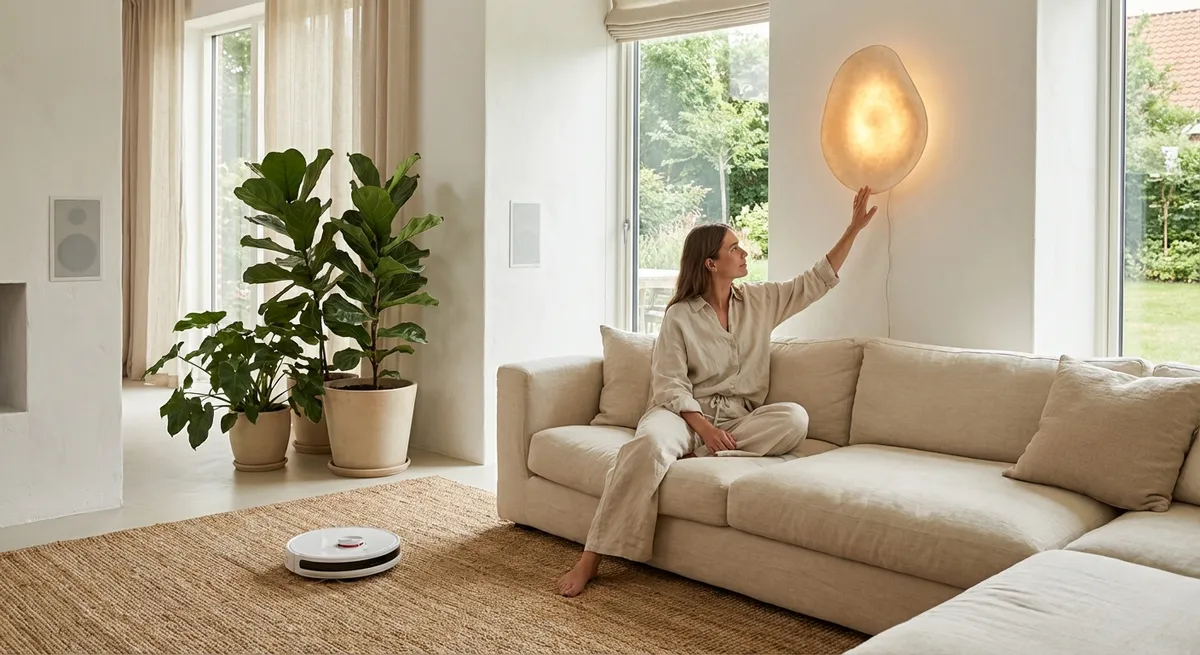
Lighting is the fastest way to shift how your home feels, and modern smart lighting does it without turning your walls into a control center.
Today’s systems can:
- Subtly adjust color temperature throughout the day—from bright, cool light that keeps you focused to warm, dim light as the evening winds down.
- Sync with your actual sunrise/sunset time instead of a fixed schedule, so your home naturally tracks the seasons.
- Respond to motion in more nuanced ways: gentle floor-level lights at night, brighter task lighting when you walk into the kitchen, cozy tones in the living room after 8 p.m.
- Integrate with your music or TV so the room softens automatically for movie nights, or brightens when you’re entertaining.
The best part: you don’t need to overhaul your entire home. Start with smart bulbs or smart switches in “high-impact” zones—entry, kitchen, and bedroom. From there, build scenes like “Work Mode,” “Slow Morning,” or “Out Late” that let your lighting match your life with a single tap or voice command.
Invisible Climate Control That Quietly Saves You Money
Smart climate control has evolved from “programmable thermostat” to a whole-home system that just…stays out of the way while cutting energy waste.
Modern setups can:
- Learn your patterns (work days, gym nights, weekend sleep-ins) and adjust heating/cooling on their own.
- Use occupancy sensors so they stop blasting AC or heat in empty rooms.
- Connect to smart shades that lower automatically when the sun hits your windows, keeping things cooler without relying as much on the HVAC system.
- Pull in real-time weather data—like turning on dehumidification before a storm or easing off the heat when a warm front comes in.
You get a home that feels consistently comfortable without micromanaging thermostats. For multi-story homes, zoned systems mean you’re not overheating bedrooms just to keep the downstairs cozy. The result: less energy waste, lower bills, and a home that feels “set and forget” instead of constantly tweaked.
Kitchen Tech That Actually Speeds Up Real-Life Cooking
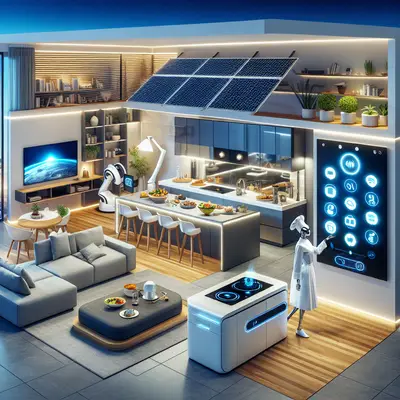
Smart kitchens are no longer about fridge touchscreens for the sake of it. The newest wave is focused on simplifying what you already do: cook quickly, eat better, clean less.
Thoughtful kitchen tech can:
- Use induction cooktops that heat faster, stay cooler to the touch, and pair with compatible cookware for precise temperature control—ideal if you love to cook but hate babysitting pans.
- Offer ovens with built-in cameras or food recognition that recommend settings, so you’re not Googling “bake salmon temp” for the hundredth time.
- Sync grocery apps with your staples so you’re reminded when you’re close to running out of essentials.
- Integrate voice assistants for hands-free timers, conversions, and recipe steps when your hands are full.
The key is to pick one or two upgrades that match how you live. If you meal-prep on Sundays, a smart oven that preheats before you get home from the store is a game changer. If you love to host, smart dishwashers with quick, quiet cycles and energy monitoring help keep the night flowing without a noisy background.
Sound, Screens, and Security That Blend Into the Background
The most interesting home tech right now doesn’t scream for attention—it disappears into your space until you need it.
Consider:
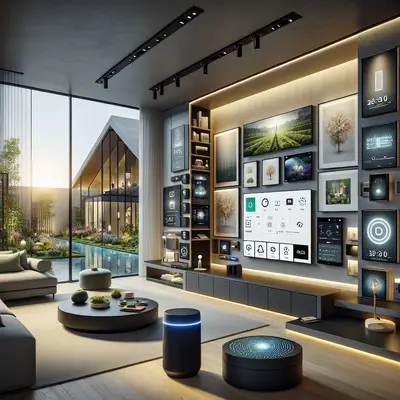
- In-ceiling or low-profile speakers that turn your whole home into a subtle soundscape—podcasts in the kitchen, ambient playlists in the bedroom, all controlled from your phone.
- Discreet projectors or frame-style TVs that look like art when they’re off, instead of dominating the room.
- Smart locks and video doorbells that provide security without bulky hardware or obtrusive panels.
- Window and door sensors that quietly alert you if something’s left open—useful for upper-level windows, rental units, or vacation properties.
These pieces shine when they’re unified. A delivery camera that sends you a clip, a lock that lets a guest in once, a hallway light that switches on when the door opens at night—together they create a sense of calm control. The home feels watched over, but not watched in.
Wellness-Focused Tech That Makes Your Space Feel Lighter
The new frontier of home tech is wellness: systems that improve how your home smells, sounds, and literally feels to be in.
Thoughtful wellness tech can include:
- Smart air purifiers and filters that track indoor air quality and quietly ramp up when pollution or allergens spike.
- Humidity sensors that help prevent dry-skin winters or muggy, mold-friendly summers by adjusting humidifiers or dehumidifiers automatically.
- Circadian-friendly lighting and blackout shades in bedrooms that support healthier sleep routines.
- Noise control through smart sound masking or noise sensors that work with your building or neighbors’ limits, particularly in shared or urban spaces.
You’re not building a “biohacking bunker.” You’re layering small, invisible systems that take the edge off modern living—better sleep, less dust and dryness, a quieter backdrop—so your home feels like it’s looking out for you.
Conclusion
The most compelling home tech right now isn’t about having the latest gadget—it’s about designing a space that quietly works around your rhythms. Ambient lighting that follows your day, climate control that doesn’t need constant tweaking, kitchen tools that actually shorten your to-do list, media and security that fade into the background, and wellness features that make the air, light, and sound feel better.
Start where your friction is highest: the room you avoid because it’s too cold, the lighting that never feels quite right, the kitchen routine that always runs late. Layer in one smart upgrade at a time, and you’ll end up with a home that feels not just more advanced—but more human.
Sources
- U.S. Department of Energy – Smart Thermostats – Overview of how smart thermostats save energy and improve comfort
- U.S. Environmental Protection Agency – Indoor Air Quality – Research and guidance on improving indoor air, including filtration and ventilation
- Harvard Health – Blue Light and Sleep – Explains how light temperature and timing affect circadian rhythm and sleep quality
- CNET – Smart Kitchen Appliance Guide – Consumer-focused breakdown of current smart kitchen options and how they’re used in real homes
- Consumer Reports – Smart Home Devices – Independent testing and evaluations of various smart home products and systems
Key Takeaway
The most important thing to remember from this article is that this information can change how you think about Home Tech.