Sustainable living isn’t just about swapping plastic straws or buying the “eco” version of everything. It’s about designing a home that quietly does the heavy lifting for you—lower bills, lighter footprint, better air, and a space that actually feels good to live in. Think less “off‑grid cabin,” more “city apartment/modern townhouse that just runs smarter.”
Below, five innovative home living ideas built for people who care about design, comfort, and what their lifestyle says about the future.
Climate-Responsive Rooms: Let Your Home Do the Weather Work
Instead of blasting the AC or cranking the heat, build a space that works with the climate, not against it. Start with your windows and light: layered window treatments (solar shades + blackout curtains) can reduce heat gain in summer and keep warmth in during winter, all while looking clean and elevated. In many homes, simply upgrading to double- or triple-pane windows and sealing air leaks can cut energy use more than any flashy gadget.
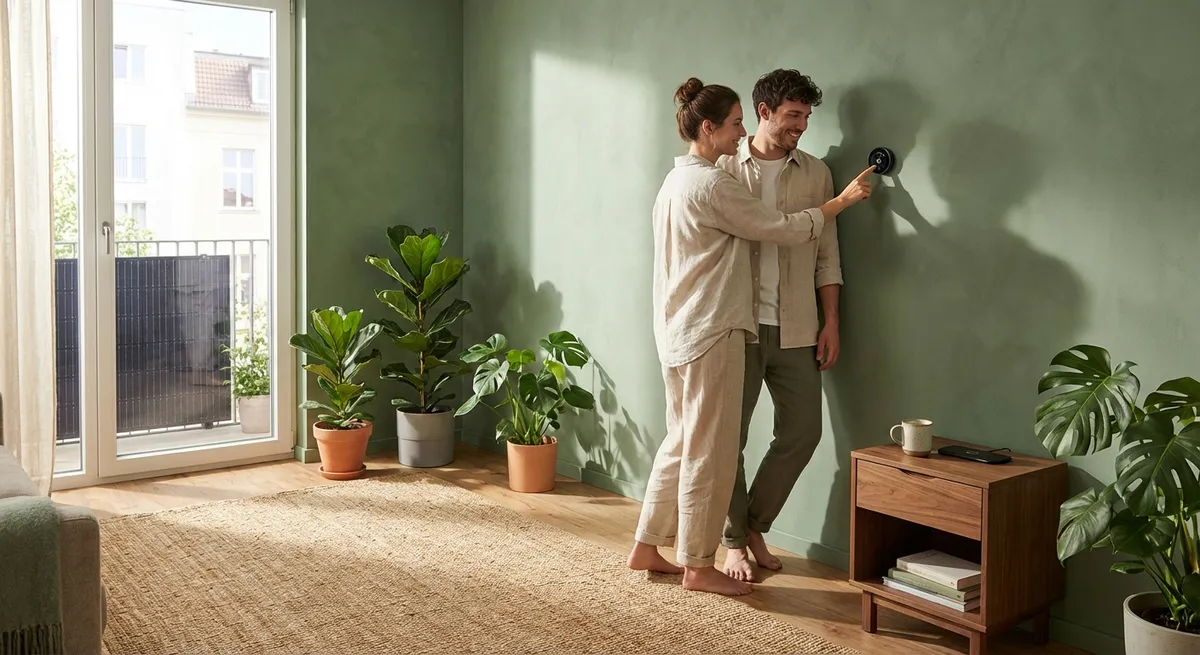
If you own your place, consider a smart thermostat paired with zoning—bedrooms cooler at night, living spaces warmer in the day, and everything dialed down when you’re not home. If you rent, portable solutions like thermal curtains, draft stoppers, and a smart plug on your space heater or fan can still automate your comfort and reduce waste.
Design-wise, lean into breathable materials: cotton, linen, wool, and jute age well and help regulate temperature better than synthetics. Arrange furniture around natural light so you’re not flicking on every lamp at noon. Plants at bright windows can act as a light filter and a subtle privacy screen, making the room feel calm and temperate without feeling “eco-themed.”
The goal: a home that naturally feels cooler in summer, cozier in winter, and less dependent on constant mechanical climate control.
The New Kitchen Ritual: Low-Waste, High-Style Essentials
The most sustainable kitchen is the one that supports your actual cooking habits. Instead of buying a dozen “green” gadgets, design a low-waste workflow from fridge to plate. Clear glass or see-through containers make your food visible (and more likely to be eaten), while a “use first” basket or fridge shelf for older items becomes a built-in nudge against food waste.
Swap disposable kitchen basics for elevated reusables you actually like using: thick cotton or linen towels, durable glass storage, a chic carafe for filtered water instead of endless plastic bottles. One sleek electric kettle or induction burner can be more efficient than constantly firing up a gas range for small tasks, and induction specifically is both energy-efficient and better for indoor air quality.
Composting doesn’t have to look like a science project. Compact countertop bins with charcoal filters or a hidden pull-out drawer bin can keep things minimal and smell-free. Even if your city doesn’t offer curbside composting, some farmers markets and community gardens accept drop-offs. Pair that with a habit of planning just 2–3 anchor meals per week and remixing leftovers, and your kitchen becomes a mini food system that wastes less without feeling restrictive.
Function first, then style it: matching jars, a curated knife lineup, one well-loved pan instead of five mediocre ones. Low waste, high vibe.
Water-Savvy Luxury: Spa Energy, Not Water Bills
Luxury showers don’t have to mean high water use. Many modern low‑flow fixtures are designed to feel full and spa-like using air injection or smart spray patterns, not extra gallons. Swapping to a WaterSense-labeled showerhead and faucet can drastically cut both water and energy use (hot water is one of your biggest hidden energy costs) while still giving you that “hotel bathroom” moment.
Think of your bathroom as a micro-spa that quietly conserves. A humidity-sensing fan that turns on automatically after showers protects your walls, keeps air fresh, and reduces mold risk—no more forgetting to hit the switch. Upgraded insulation around your hot water lines or a more efficient water heater can mean faster hot water and less waste while you wait for the tap to “warm up.”
In the rest of the home, small layout choices shift how you use water: a stylish carafe of chilled water in the fridge instead of running the tap, a dish pan for soaking instead of endless running water, or a sleek dual-flush toilet that looks modern and saves liters every day.
If you have outdoor space, even a small balcony, a slim rain barrel or modular rainwater capture system can feed container plants or a tiny herb garden. The effect: you keep your “daily rituals” energy, but your utilities and footprint quietly shrink in the background.
Circular Decor: Design That Outlives Trends (And Landfills)
Sustainable decor doesn’t mean a room full of burlap and mason jars. It means choosing pieces with enough character and quality to survive trends, moves, and mood shifts. Think: a solid wood dining table that can be sanded and refinished, a vintage credenza that doubles as a bar and media console, or a statement chair reupholstered in a durable fabric instead of replaced every few years.
Before adding anything new, shop your own space. Could a side table become a nightstand? Could an old dresser work as a bathroom vanity with a little DIY? This kind of circular thinking saves money and keeps furniture out of landfills. When you truly need something, check vintage shops, estate sales, and verified resale platforms. Older pieces often have sturdier construction than many flat-pack options and can be easily modernized with hardware or fabric swaps.
For new buys, look for brands that publish material details and repair options. Modular sofas with replaceable covers, rugs made from natural fibers (wool, jute, cotton) instead of plastic-heavy synthetics, and lighting with standard-sized bulbs that are easy to replace all stretch the life of your design choices.
The aesthetic sweet spot: fewer, better pieces with a story, layered with small seasonal or trend-forward accents (pillows, art prints, candles) that can shift as your style does—without constant full-room overhauls.
Home Energy as a Lifestyle Flex: Smarter Power, Lower Stress
Energy upgrades don’t have to feel technical. Framed differently, they’re about turning your home into a calmer, more predictable space—fewer surprise bills, less “Did I leave the lights on?” anxiety. Start with the basics: swap major bulbs to LEDs in your most-used fixtures. It’s boring, but it’s the highest-impact easy win, and modern LEDs come in warm temperatures that still feel cozy.
Next, think about how your home behaves when you’re not paying attention. Smart power strips can cut “vampire” power from TVs, game consoles, and chargers while you sleep or when you’re at work. A few strategically placed smart plugs let you set your lamps, coffee maker, or air purifier on schedules that match your life, not your impulses.
If you own your home and want to go bolder, a home energy audit or assessment can show where you’re literally leaking money—uninsulated walls, drafty doors, inefficient appliances. Upgrading to an efficient heat pump, ENERGY STAR appliances, or even rooftop solar (if it fits your location and budget) becomes less about “being green” and more about buying long-term comfort and control.
To make it feel lifestyle-forward instead of utilitarian, visualize your data. Many utilities and devices now offer clean, app-based dashboards showing your usage patterns. Treat it like a health tracker for your home: small tweaks, visible progress, better performance over time.
Conclusion
Sustainable living isn’t a full personality change; it’s a series of smart edits to the home you already love. The most impactful moves often aren’t the most visible ones—better insulation, smarter water use, longer-lived furniture—but they shape how your space feels every day.
When your home is quietly managing climate, water, energy, and waste in the background, you get to focus on the good parts: cooking, hosting, resting, working, and creating in a space that reflects where you are and where the world is going. Future-ready living isn’t about perfection—it’s about designing a home that makes the sustainable choice the easy, default one.
Sources
- U.S. Environmental Protection Agency – WaterSense Program - Details on low-flow fixtures, WaterSense labeling, and water-saving stats
- U.S. Department of Energy – Energy Saver - Guidance on home efficiency, insulation, heating/cooling, and smart energy use
- ENERGY STAR – Residential Products - Information on certified efficient appliances, lighting, and potential savings
- U.S. Department of Agriculture – Reducing Food Waste at Home - Research-backed tips for cutting food waste in the kitchen
- Harvard T.H. Chan School of Public Health – Indoor Air Quality - Explores how building choices (materials, ventilation, appliances) impact health and comfort
Key Takeaway
The most important thing to remember from this article is that this information can change how you think about Sustainable Living.