Sustainable living in 2026 isn’t about burlap totes and guilt; it’s about designing a home that feels sharp, comfortable, and quietly future‑proof. The best eco upgrades now blend into your lifestyle instead of demanding a full personality overhaul. Think: smart materials, low‑key tech, and daily rituals that still feel a little luxe.
Below are five innovative, design‑driven ideas for modern homeowners who want their spaces to look good, work hard, and leave a lighter mark on the planet.
1. Bio‑Based Materials That Still Look High‑End
Sustainability used to mean “rustic.” Now, bio‑based materials are showing up in homes that look ultra‑polished, from minimalist lofts to warm neutrals townhomes.
Instead of defaulting to plastic everything, more homeowners are choosing:
- Bamboo and cork flooring with a clean, gallery‑like finish that’s soft underfoot and highly renewable.
- Linoleum 2.0 (made from linseed oil, wood flour, and natural pigments), which looks like chic matte stone instead of your grandma’s kitchen.
- Recycled glass countertops, where the subtle speckling reads as custom design, not “eco compromise.”
- Wood certified by the Forest Stewardship Council (FSC), so you know that smooth oak dining table actually came from responsibly managed forests.
These materials don’t just photograph beautifully; they age well and help reduce reliance on fossil‑fuel‑heavy plastics. The move is simple: when you’re planning a reno or furniture upgrade, check what something is made of with the same energy you’d give to style and dimensions. Sustainability becomes just another design filter—not a sacrifice.
2. Heat‑Smart Homes: Design That Works With the Weather
Your home can do more of the climate work if you let it. Instead of only relying on your HVAC system, design details can quietly keep your space comfortable while shrinking your energy use.
A few moves that feel almost architectural, even in a small space:
- Thermal curtains and layered window treatments that trap warmth in winter and block heat in summer, while still looking tailored and intentional.
- Window film upgrades that add invisible insulation or UV blocking—great for rentals where you can’t fully replace the windows.
- Radiant heat floors in key zones (like bathrooms or entryways) that deliver warmth where you feel it most, using less energy than blasting the whole house.
- Cross‑ventilation planning, where you actually map how air flows through your home and place fans, vents, and windows to move hot air out and cool air in naturally.
The vibe isn’t “off‑grid cabin”; it’s more “quietly engineered comfort.” Over time, these design choices trim your energy bills, ease pressure on the grid, and make your home feel more stable as weather gets more unpredictable.
3. Local‑First Design: Shrinking Your Home’s Travel Footprint
One of the most underrated sustainable moves right now is cutting the distance your home has to travel. Every piece you bring in has a backstory: where it was made, how it got to you, and what happens when you’re done with it.
Local‑first living can still be aspirational:
- Furniture from regional makers instead of mass‑produced imports; fewer miles, more story.
- Stone, tile, and wood sourced within your region, which can lower embedded emissions and feel more “of the place” your home lives in.
- Houseplants and landscaping with native species, which need less water and support local biodiversity while still giving that lush, curated look.
- Farmer’s‑market or community‑supported agriculture (CSA) produce, integrated into your weekly cooking so your kitchen is aligned with seasonal, local food cycles.
Design‑wise, this looks like a home that feels deeply grounded: local woods, textures that reflect your climate, and decor that’s less trend-chasing and more locale‑savvy. It also builds resilience—shorter supply chains are less vulnerable to disruption.
4. Water‑Savvy Living That Still Feels Luxurious
Water‑efficient living used to mean dribbly showers and beige hardware. Not anymore. The latest fixtures look elevated, perform well, and quietly save thousands of gallons a year.
Here’s where design and function align:
- Low‑flow, high‑pressure rain showers that feel like a hotel but use less water and energy to heat it.
- Touchless or lever‑style faucets that make it effortless to shut off the tap while doing kitchen tasks.
- Dual‑flush toilets and smart flush valves that adjust water volume based on what’s needed.
- Greywater‑aware landscaping, where outdoor plants are chosen and placed to thrive on less water or future rainwater capture.
There’s a mindset shift here: water isn’t just a utility; it’s a design element. Glass carafes instead of single‑use bottles, beautiful pitchers in the fridge, and a layout that encourages refilling reusable bottles all add up—while making hydration feel like a ritual, not a chore.
5. Home Ecosystems: Designing Spaces That Regenerate, Not Just Sustain
The next wave of sustainable living moves beyond “doing less harm” and leans into “doing more good.” In practice, that looks like homes that actively support healthier air, soil, and habits.
Some future‑facing ideas that are already doable now:
- Indoor air ecosystems: combining low‑VOC paints, natural fiber textiles, and smart ventilation with thoughtfully chosen plants to improve indoor air quality.
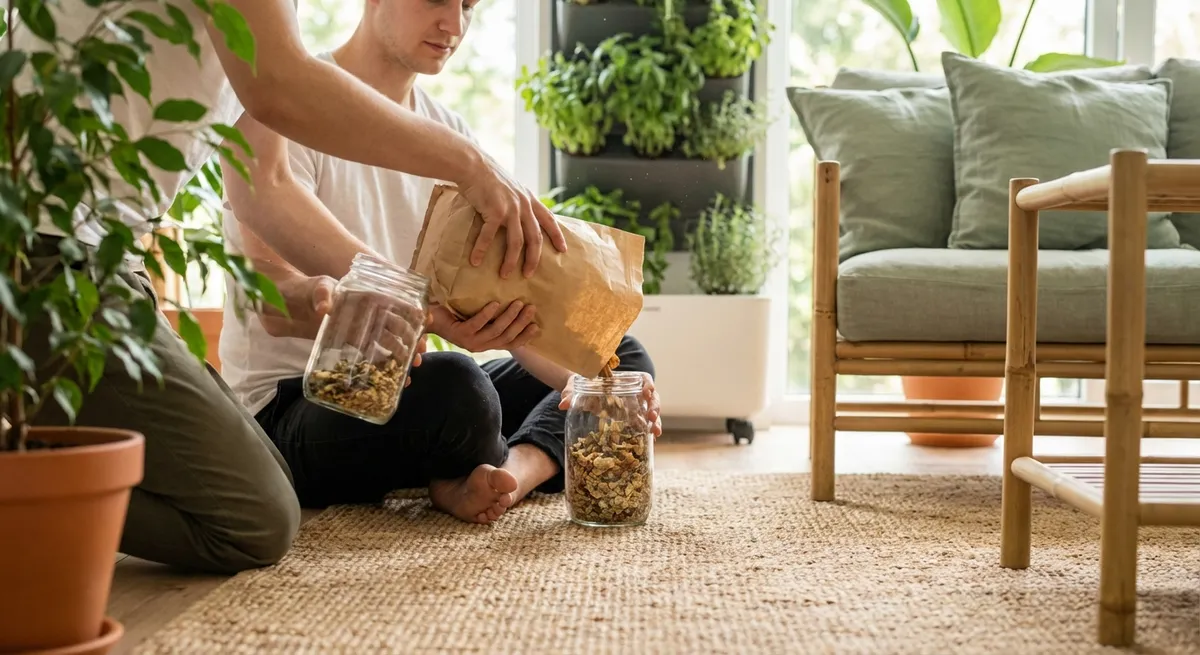
- Composting that doesn’t feel like a science project: sleek countertop units or discreet outdoor bins that turn kitchen scraps into soil for your plants or community gardens.
- Micro‑gardens and balcony farms: vertical planters, rail systems, and compact raised beds that produce herbs and greens in tight urban spaces.
- Shared tools and resources: co‑owned lawn equipment, neighborhood tool libraries, or community repair events that loosen the grip of “everyone owns everything” culture.
The aesthetic is not crunchy DIY—it’s curated systems that make your routines healthier and lighter on the planet. You’re turning your home into a mini ecosystem that gives back: cleaner air, less waste, and a better connection to the cycles happening outside your windows.
Conclusion
Sustainable living at home is no longer about saying no to the things you like; it’s about saying yes to systems, materials, and rituals that last longer, feel better, and quietly support the future you actually want to live in.
From bio‑based finishes to water‑smart luxury, local‑first furniture, and regenerative home ecosystems, these moves aren’t just “good for the planet”—they’re design choices that make your space feel more considered, calm, and resilient. Pick one idea to start, fold it into your next upgrade, and let your home slowly evolve into the kind of place that looks forward, not back.
Sources
- U.S. Environmental Protection Agency – Sustainable Materials Management - Overview of strategies for reducing environmental impacts through smarter material choices and product life cycles
- U.S. Department of Energy – Energy Saver: Heating & Cooling - Guidance on improving home comfort and efficiency through better heating, cooling, and building design
- WaterSense (EPA) – Products and Practices - Details on water‑efficient fixtures and how they reduce household water use without sacrificing performance
- Forest Stewardship Council – Why Choose FSC-Certified Products - Explains the benefits of choosing responsibly sourced wood and certified forest products
- U.S. Department of Agriculture – Urban Agriculture and Innovative Production - Information on urban farming, micro‑gardens, and local food systems that support more sustainable home living
Key Takeaway
The most important thing to remember from this article is that this information can change how you think about Sustainable Living.