If your cat has ever claimed the comfiest chair, ignored the pricey bed you bought, or turned a cardboard box into a luxury studio apartment, you already know: cats have strong opinions about interiors. That’s why the viral “Is There A Cat In This Movie?” account and endless “malfunctioning cat” feeds aren’t just internet entertainment—they’re low-key a design moodboard for how we actually live with pets right now.
As more people adopt rescue animals and flood social media with “first Christmas” cat photos and wholesome shelter glow-ups, one thing is clear: the future of interior design is pet-inclusive, photo-ready, and personality-forward. Your home isn’t a showroom; it’s a lived-in set where your cat co‑stars. Here’s how to design a space that works for you, looks good on the grid, and gets a silent “purr of approval” from your live‑in critic.
1. Cat-Centric Layouts That Still Look Minimal
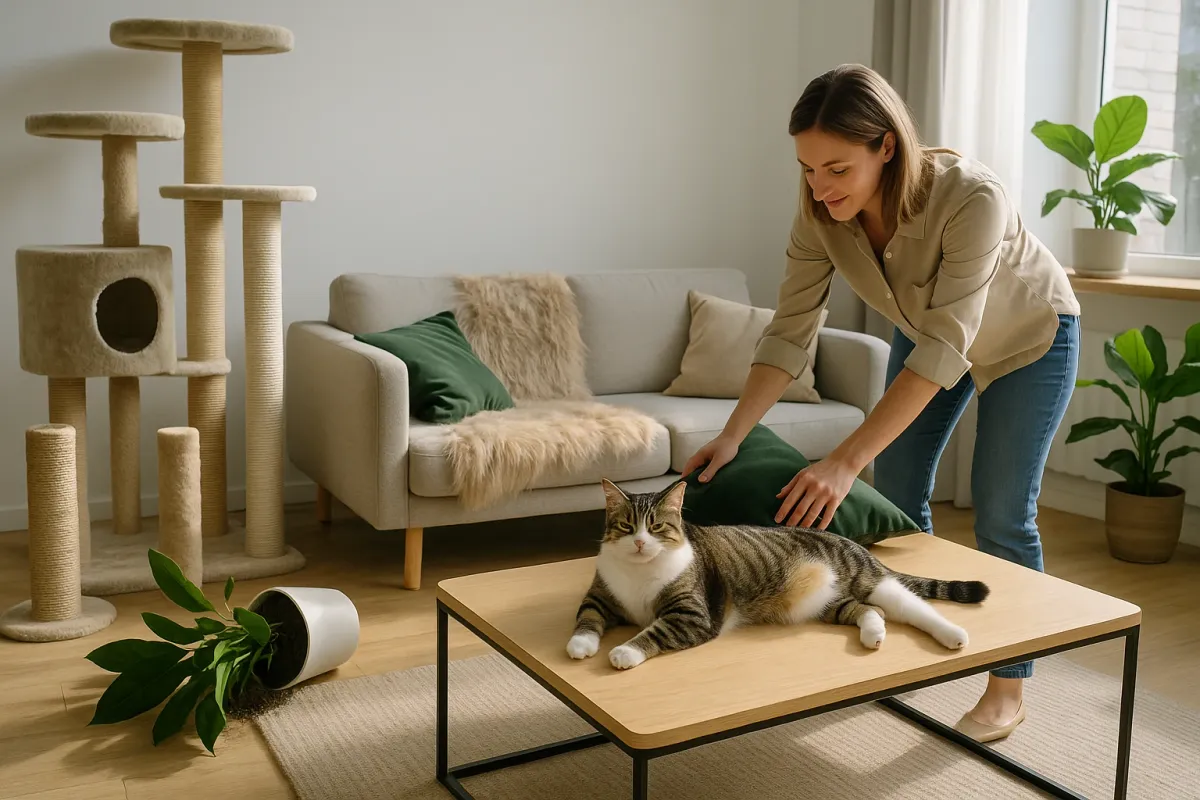
The days of neon carpet cat trees in the corner are over. Inspired by all those sleek film sets people dissect while asking “Is there a cat in this movie?”, more homeowners are designing spaces where pet zones practically disappear into the architecture. Think wall-mounted perches that line up with your shelving system, window ledges that double as display space, and low storage units that turn into stealth cat highways.
Start by watching how your cat actually moves through your home—where they nap, climb, lurk, and supervise. Then rework your layout so their “traffic flow” overlaps with yours instead of fighting it. A sofa set slightly off the wall can create a hidden cat tunnel; a narrow picture ledge can become a viewing deck; a long media console can double as a runway. The goal: a space that feels curated and calm but secretly designed around your pet’s favorite routes.
2. Sofa-Proof Style: Elevated Materials That Survive Claws
With rescue and adopted pets trending hard, the “I can’t have nice things because of my cat” era is getting a serious upgrade. Interior brands know our living rooms are as likely to host a nail trim as a Netflix night, so they’re leaning into performance fabrics and scratch-resistant finishes that still feel luxe. And yes, you can absolutely have a light-colored sofa and a cat—it just can’t be linen from 2007.
Look for tight-weave, high-rub-count upholstery in textures that don’t scream “pet-proof,” like chenille, boucle, and matte velvets designed for heavy use. Paired with slimline, powder-coated metal or solid wood legs, these pieces read modern while quietly resisting claw marks and fur. Top surfaces—like coffee tables and sideboards—work best in finishes that age gracefully: oiled wood, honed stone, or even microcement. Instead of hiding pet wear, let your materials develop character over time; the lived-in look photographs beautifully and feels better in real life than a plastic-wrapped showroom.
3. Vertical Playgrounds Disguised as Design Moments
Those viral “malfunctioning cat” posts—cats draped over door frames, balanced on TV edges, wedged into plants—are basically your design brief: your cat wants vertical territory. Rather than fighting it, design upward. The trick is to turn climbing zones into intentional style statements, not afterthoughts that make your place feel like a pet store.
Built-in bookshelves with alternating open cubes, layered wall shelving, and asymmetrical storage grids all create natural step patterns for cats while giving you serious styling potential. Anchor the eye with oversized art or a sculptural lamp at human level, then use the upper shelves for lightweight, cat-safe decor (think baskets, soft decor books, and unbreakable pieces). Add a single, beautifully made scratching post in a neutral wood or boucle finish, and it goes from “pet gear” to “tactile sculptural object” that just happens to save your sofa.
4. Cozy Light Zones for Cat Naps and Content Creation
Scroll through any “cat’s first Christmas” or rescue glow-up thread and you’ll notice a pattern: the best photos happen where the light is soft, layered, and flattering—for both fur and faces. Good lighting is the secret overlap between feel-good living and scroll-stopping content, and it doesn’t take a full reno to get there.
Start by defining a few “soft focus zones” in your home: a window nook with sheer curtains for diffused daytime light, a corner with a floor lamp and warm-toned bulb for evenings, a hallway with a low bench and wall sconce. Layer ceiling lights with table lamps, candles (or flameless candles if you have a tail-knocker), and even LED strip lighting tucked under shelves or behind headboards. Choose warm white over harsh cool tones so your space feels intimate on camera and in person. Then place your cat’s favorite bed, basket, or blanket right in those light pools—you’ll get better photos, and they’ll get dreamier naps.
5. Displaying Pet Life Like Art, Not Clutter
If social feeds full of rescue pets and “unexpected finds” have taught us anything, it’s that small, personal details are what make a space feel unforgettable. Instead of hiding the realities of living with a cat, edit and elevate them. The goal is to blur the line between decor and daily life so your home tells your story without looking chaotic.
Swap mismatched plastic bowls for ceramic or stoneware in your existing color palette, and place them on a tray or low platform to visually contain the zone. Store toys in a woven basket that sits like a styled object next to the sofa—when it’s full, that’s your cue to pare back. Frame a favorite candid pet photo in black and white and hang it with your “real” art; it instantly looks intentional and timeless. Even functional pieces like litter enclosures can become furniture—side tables, benches, or entry consoles with concealed openings. It’s not about pretending you don’t live with a cat; it’s about designing so beautifully around them that their presence feels like the final layer of styling.
Conclusion
The rise of pet-focused accounts, cat-spotting in movies, and endless rescue success stories isn’t just internet escapism; it’s a snapshot of how we actually want to live now—softer, more playful, and built around the beings we care about. When you design with your cat in mind, you end up with spaces that are more comfortable, more personal, and way more photogenic.
Your home doesn’t have to choose between “magazine-worthy” and “cat-approved.” Let your feline be the unofficial creative director, pay attention to the routes they claim and the corners they love, and build your interiors around that energy. The result is a space that feels lived-in, loved, and instantly shareable—no filter (or lint roller) required.
Key Takeaway
The most important thing to remember from this article is that this information can change how you think about Interior Design.