Your home doesn’t need a full gut reno to feel wildly more “you.” What it actually needs is intention: subtle shifts in how you use color, texture, light, and layout that make everyday living smoother and more stylish. Think less “Pinterest-perfect makeover,” more “this feels weirdly tailored to my life.”
Below are five innovative home-living ideas that modern homeowners are leaning into—not as trends to chase, but as tools to build a space that fits the way you actually live.
1. Color Zoning Instead of Walls
Open layouts are great in theory—until your living room, dining space, and work corner all blur into one visual cloud. Color zoning is a softer, smarter way to define areas without building a single wall.
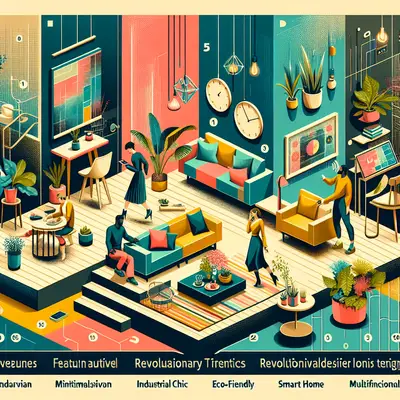
Instead of painting a whole room one color, use blocks of color to signal function: a deep, cocooning shade behind the sofa to frame your lounge zone; a lighter, energizing tone around your desk area; a warm neutral wash where you dine. You can zone with paint, wallpaper, area rugs, or even textiles like curtains and room-height fabric panels.
This approach keeps your space feeling open but not chaotic. It also lets you play with bolder hues in contained ways—one terracotta accent wall instead of committing to an all-over statement. Bonus: color zoning photographs beautifully, so your home looks intentional in every angle you share.
2. Multi-Height Lighting for Mood on Demand
Most homes rely on a single overhead fixture, which is basically the interior-design equivalent of using only the flash on your camera. Multi-height lighting—mixing ceiling, wall, table, and floor lights—creates depth, dimension, and instant mood control.
Think of lighting in layers:
- Ceiling lights for general brightness
- Wall sconces to soften hallways and corners
- Floor lamps to anchor reading or conversation spots
- Table lamps for warmth and intimacy on side tables or consoles
Use warm, dimmable bulbs and keep color temperatures consistent so your space doesn’t feel disjointed. In smaller homes, clamp lights and plug-in sconces give you that high-design feel without calling an electrician.
The real magic is functional: bright for working or cleaning, low and warm for evenings in, targeted for tasks like cooking or reading. Once you experience lighting that matches your day instead of fighting it, a single overhead bulb will never feel acceptable again.
3. Elevated Everyday Storage That Doubles as Design
Modern living comes with gear—tech, cables, books, pet stuff, hobbies—and clutter is usually just a storage problem wearing a guilt costume. The solution isn’t minimalism for everyone; it’s storage that actually aligns with how you live and looks good while doing it.
Start with your daily drop spots: entry console, coffee table, bedside, sofa side. Trade random catchall piles for designed solutions—lidded baskets under a bench, trays on a coffee table, sculptural bowls for keys and earbuds, slim wall-mounted shelves where things usually stack up.
Invest in furniture with hidden storage: upholstered benches, storage coffee tables, sideboards instead of open shelving. Use closed pieces for anything visual noisy (cables, chargers, paper), and reserve open shelves for objects you genuinely like looking at—books, ceramics, plants, framed photos.
When storage is attractive and within reach, tidying becomes almost automatic. Your home doesn’t have to look staged; it just needs enough “homes for things” that chaos doesn’t win by default.
4. Tactile Design: Styling for How a Space Feels, Not Just Looks
Scroll culture has made interiors hyper-visual, but the homes people love living in are usually designed with touch in mind. Tactile design focuses on how your space feels—literally—through texture, materials, and temperature.
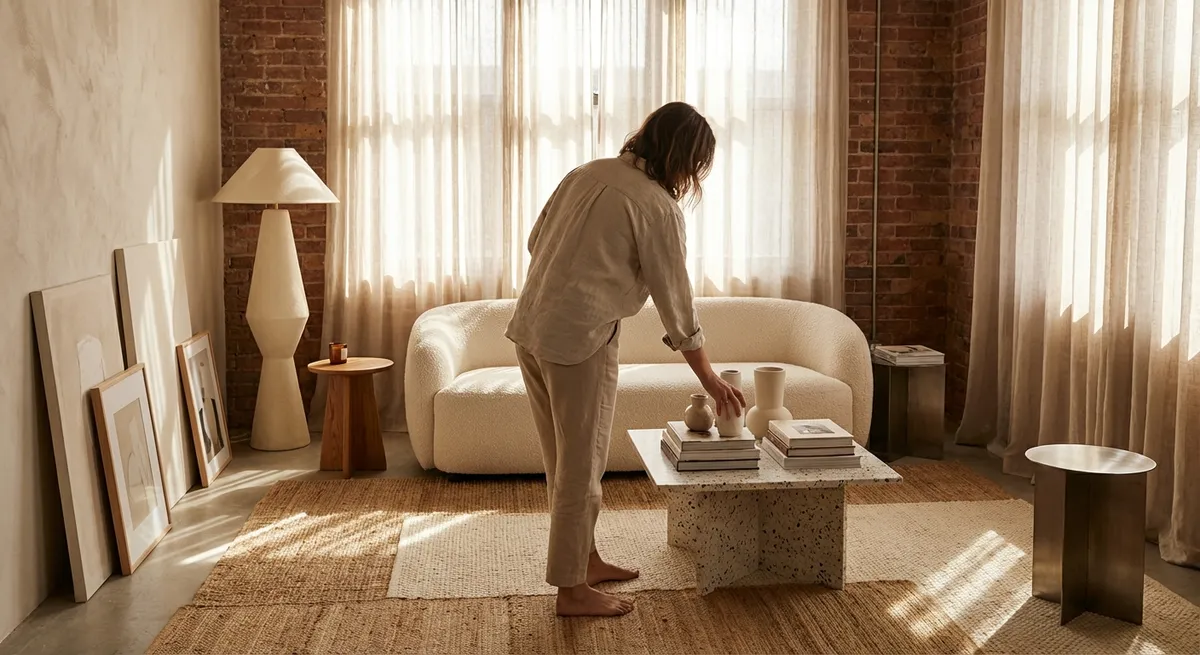
Mix smooth and rough, soft and structured: a boucle or nubby throw on a sleek leather sofa, linen cushions on a structured armchair, a natural jute rug under a polished coffee table. In dining areas, balance hard surfaces (stone, wood, metal) with fabric—chair pads, table linens, or upholstered seating.
Ask yourself: What do my feet touch first thing in the morning? What’s the texture under my hands when I work, read, or eat? A soft rug by the bed, a warm wood or leather desk pad, a plush throw over a cool sofa—small switches make your home feel instantly more expensive and comforting.
The best part: texture wears in, not out. While some trends date quickly, a layered mix of natural textures tends to age well and adapt as your style evolves.
5. Flexible “Micro Zones” for Real-Life Routines
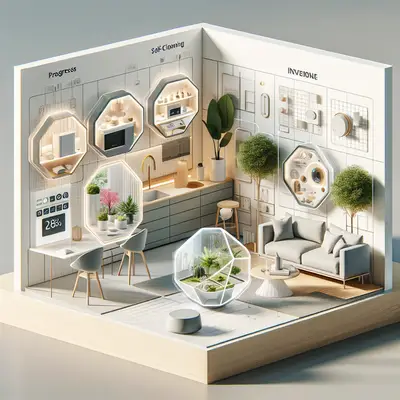
Instead of trying to force each room into a single identity (this is the office, that’s the dining room), think in micro zones—small, purpose-driven setups inside a larger space. This is especially powerful in apartments or compact homes.
Examples of micro zones:
- A reading corner: chair + lamp + side table + small bookshelf
- A coffee ritual station: compact cart or shelf with mugs, beans, and tools
- A wellness spot: mat, basket for weights or bands, small shelf for candles or speaker
- A creative nook: desk or console with art supplies, sewing kit, or music gear
You’re not redesigning entire rooms; you’re carving out pockets that support the things you actually want to do more of. Use rugs, small furniture pieces, and lighting to mark these areas without cluttering your layout.
Micro zones turn “I wish I had space for that” into “I made space for that”—and that subtle mindset shift changes how you use and enjoy your home every day.
Conclusion
A home that feels current isn’t about chasing the latest aesthetic; it’s about layering in smart details that quietly support your real life. Color that guides how you move, lighting that shifts with your mood, storage that doesn’t scream “storage,” textures that invite you to stay, and micro zones that make your habits easier—these are the moves that make a space feel truly custom.
Start small: one color zone, one extra lamp, one upgraded storage piece, one textured layer, one micro zone. Your home doesn’t have to be “done” to feel deeply livable. It just has to keep evolving with you.
Sources
- American Society of Interior Designers (ASID) – 2023 Trends Outlook - Industry report highlighting how function, wellness, and flexibility are reshaping interior design
- Harvard Graduate School of Design – “Designing for Wellbeing” - Explores how light, material, and spatial planning impact comfort and daily living
- U.S. Department of Energy – Lighting Choices to Save You Money - Practical guidance on bulb types, color temperature, and efficiency for home lighting plans
- IKEA Life at Home Report - Global research on how people actually live at home and what they want from their spaces
- New York Times – “How to Make a Small Space Feel Bigger” - Expert-backed ideas on zoning, furniture, and layout in compact homes
Key Takeaway
The most important thing to remember from this article is that this information can change how you think about Interior Design.