Your home doesn’t have to look “finished” to feel intentional. The new wave of interior design is less about showroom perfection and more about spaces that evolve with you—layered, lived-in, and a little bit unexpected. Think: art you actually care about, tech that disappears into the background, and furniture that moves as fast as your life does.
This is about creating a home that feels curated, not staged. Here are five innovative home living ideas modern homeowners are leaning into right now—and how to make them work in your space.
1. The Flexible Core: Rooms That Change Roles on Demand
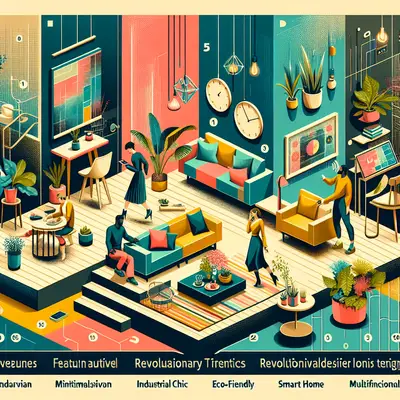
The most interesting homes right now don’t lock a room into one identity. Your “office” might be a workspace at 9 a.m., a yoga zone at 6 p.m., and a movie nook by 9.
Start with the core pieces that can pivot: a slim, foldable desk that tucks into a cabinet or wall, nesting side tables that roll from sofa to bedside, and lightweight lounge chairs that can rotate to face a screen, a window, or each other. Look for furniture on casters, modular shelving, and benches with hidden storage so you can reset the room in minutes, not hours.
Visually, keep the base calm—think one main rug, a cohesive color story, and consistent materials—then swap in seasonal or mood-based accents. A single plug-in wall sconce can light a Zoom background during the day and frame a reading corner at night. When each piece isn’t locked into one function, your square footage starts to feel a lot bigger.
2. Layered Lighting That Acts Like a Mood Remote
Overhead lighting alone instantly dates a space. Modern interiors rely on layered lighting that shifts with your energy: bright and clear for focus, soft and warm for unwinding, and something in between for everything else.
Start by breaking your lighting into three layers—ambient (overall), task (focused), and accent (for drama)—and make sure each area has at least two of the three. Use dimmable bulbs and a mix of floor lamps, table lamps, and wall plug-ins so you don’t need to hardwire anything to get a high-end result.
Color temperature matters more than people think. Warmer light (around 2700K) flatters skin and materials, while cooler light works for detailed tasks. Consider smart bulbs or app-based dimmers so you can shift from “work mode” to “dinner mode” to “movie mode” with a tap. It’s not just aesthetics—good lighting can support your sleep cycle, productivity, and overall mood when it’s aligned with natural daylight patterns.
3. The “Soft Tech” Home: Integrating Devices Without Killing the Vibe
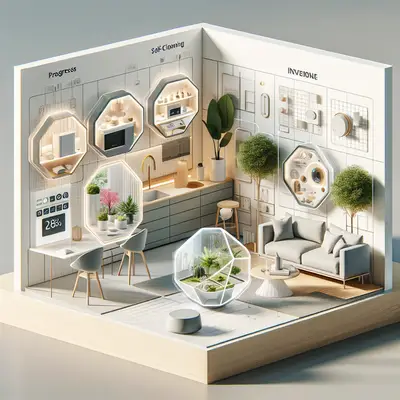
Modern homes are full of tech—but the trend is moving away from screens dominating every wall. Instead, “soft tech” design hides, blends, or reframes devices so the space still feels calm and human, not like a control center.
Think art-frame TVs that display photography or paintings when idle, speakers that look like sculptures or side tables, and cable management that’s actually intentional. Run cords behind furniture, use slim raceways in wall color, or create a dedicated charging dock in a drawer or cabinet to keep surfaces visually clean.
Consider sightlines: when you walk into the room, what do you see first—your devices or your design? Reposition routers, game consoles, and hubs into ventilated cabinets or shelving with cane, slatted, or perforated doors. Keep tech clustered in “zones” so the rest of your home can breathe visually. The result is a space that’s fully equipped but still feels serene and design-forward.
4. Material Stories: Mixing Textures Like a Stylist, Not a Catalog
Instead of buying perfectly matched sets, modern interiors feel rich and layered because they mix materials with intention. It’s less about one “theme” and more about a thoughtful conversation between textures.
Start by picking three to four core materials that repeat across your home: maybe warm wood, matte black metal, textured linen, and something with a soft sheen like glazed ceramic or brass. Let those show up on different scales—wood in your table, a lamp base, and picture frames; linen on your sofa, pillows, and a pinned fabric inspiration board.
Add contrast where it counts: pair stone or concrete with something tactile and soft (like a boucle chair or wool rug), and balance sleek surfaces with something hand-made or imperfect. Visible grain, hand-thrown pottery, rough-edge stone, or woven baskets instantly make a space feel warmer and more considered.
What you’re building is not a “look” but a material story. Over time, you can add or edit pieces without breaking the vibe, because everything still speaks the same visual language.
5. Personality in Plain Sight: Styling as a Daily Ritual, Not a One-Time Task
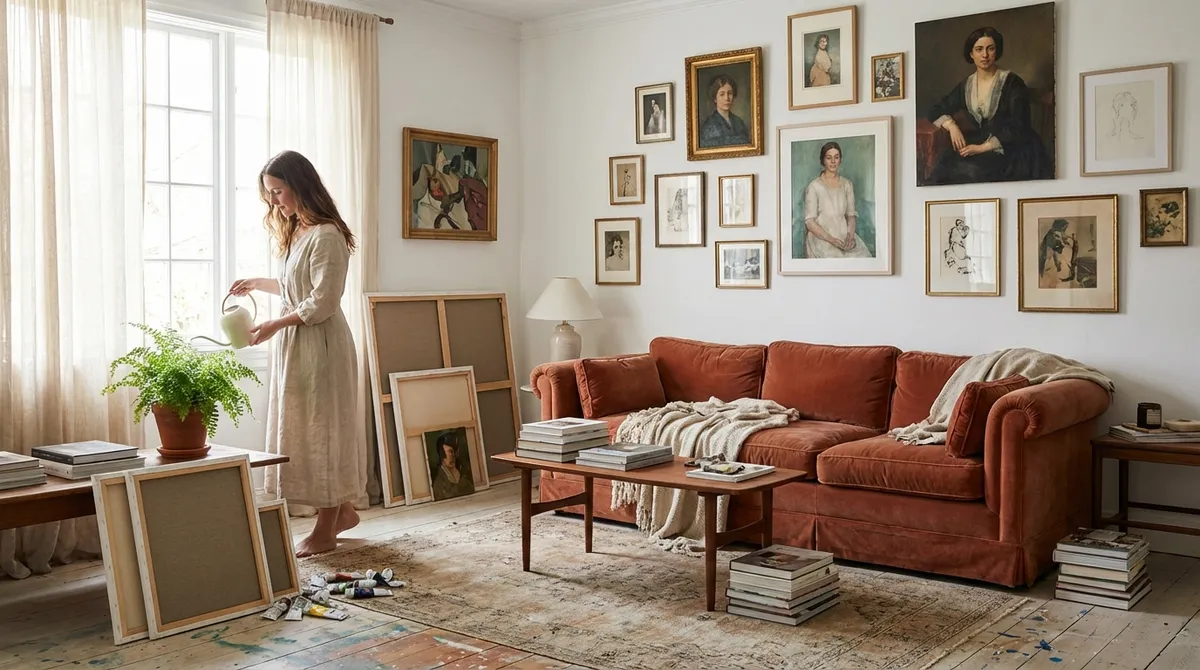
The most compelling interiors right now are deeply personal. Not in a cluttered way, but in a “this could only be your home” way. Instead of hiding everything away, think of your open surfaces—coffee table, console, open shelving—as micro-galleries that tell your story.
Edit, don’t hoard. Group objects by color, material, or theme: a stack of books with similar tones, a mini collection of travel matches or postcards, a vintage vase next to a modern frame. Use the rule of three for vignettes: one taller item, one medium, one small, all with slightly different shapes or textures.
Make styling a ritual, not a chore. Rotate objects seasonally or whenever you bring something new home. Swap out art from a flat file or portfolio, restyle a shelf on a Sunday with music on, or re-curate your coffee table when you’re in a creative mood. The goal isn’t perfection—it’s motion. A home that shifts as you do always feels current, never stuck.
Conclusion
Designing a modern home isn’t about chasing trends or achieving a “finished” look. It’s about creating a flexible, quietly intelligent backdrop for real life—spaces that work hard, feel soft, and say something about who lives there.
When your rooms can change roles, your lighting follows your mood, your tech blends in, your materials tell a story, and your shelves show off what matters to you, your home stops feeling like a project and starts feeling like a living, breathing extension of you.
Sources
- American Society of Interior Designers (ASID) – 2024 Trends Outlook - Industry report on evolving residential design trends, including flexible spaces and wellbeing-focused interiors
- Harvard T.H. Chan School of Public Health – Healthy Buildings - Research-backed insights on how lighting, air, and environmental design impact health and comfort
- MIT Sloan Management Review – The Future of the Smart Home - Explores how smart home tech can integrate more seamlessly into everyday life and behavior
- The New York Times – “The Right Way to Light a Home” - Practical guidance on layered lighting and how it shapes the feel of an interior
- Smithsonian Magazine – The Psychology of Collecting - Explains why personal collections matter and how meaningful objects shape our sense of home
Key Takeaway
The most important thing to remember from this article is that this information can change how you think about Interior Design.