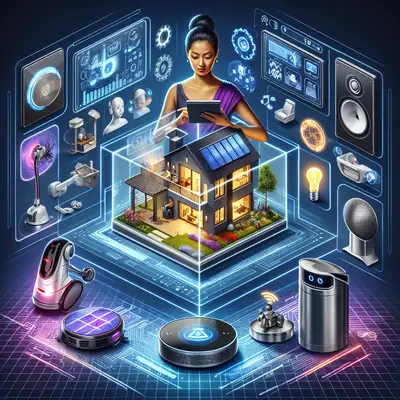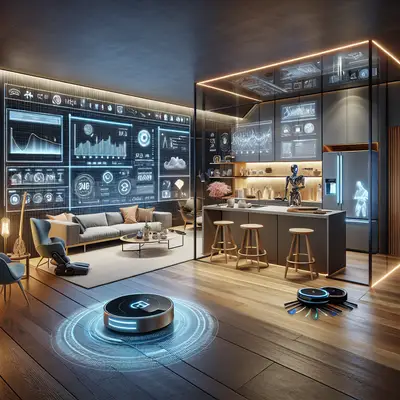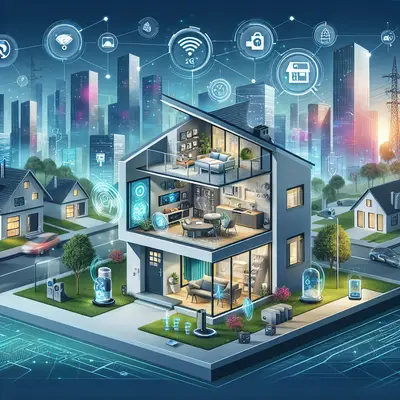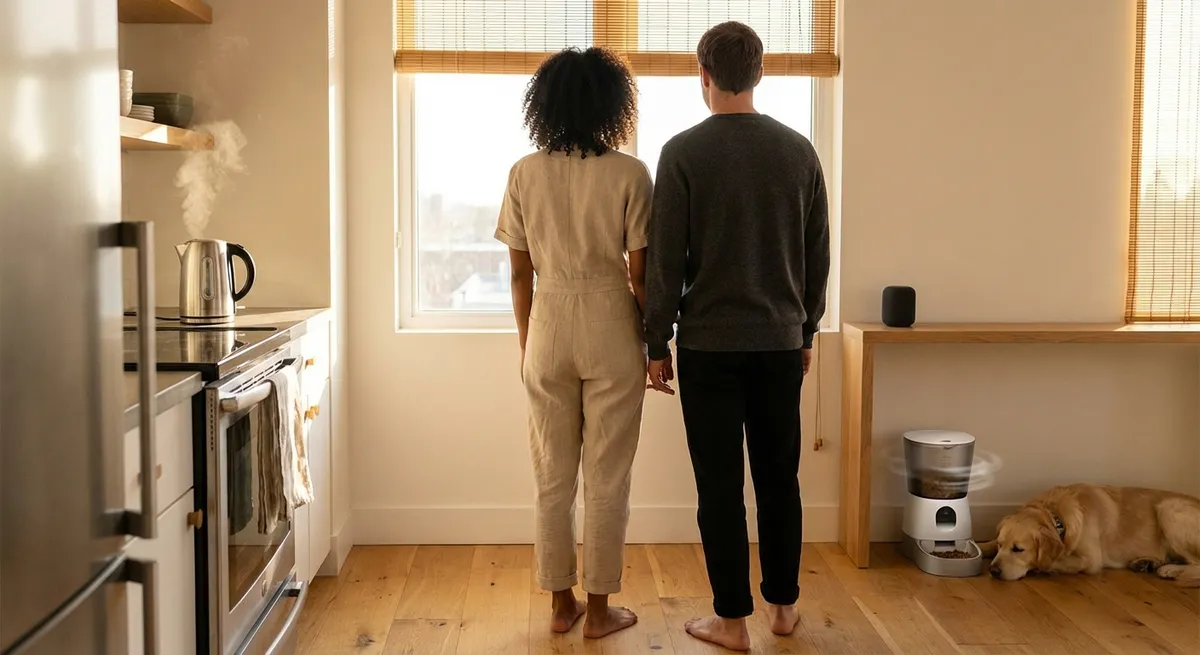
The smartest homes in 2026 don’t feel like tech demos—they feel like you. They move with your schedule, adapt to your moods, and quietly handle the boring stuff in the background. Instead of chasing the latest gadget, it’s about building a home that actually lives in sync with how you work, rest, host, and recover.
Below are five innovative, real-world smart living ideas that feel modern, intuitive, and totally livable—not like you’re living inside a user manual.
1. The Adaptive Morning: A Home That Knows When You’re Up
Forget shouting at a smart speaker the second you open your eyes. An adaptive morning routine lets your home notice you’re awake and respond—without you lifting a finger.
With a smart presence system (using motion sensors, sleep trackers, or your phone’s location), your home can:
- Gently raise the blinds when it detects you’re out of bed
- Start the coffee machine once you step into the kitchen
- Bring lights up slowly instead of blasting you with daylight mode
- Switch the thermostat from overnight eco-temp to your comfort setting
- Play a low-volume news rundown or a calm playlist in the background
The key is setting “scenes” rather than micromanaging devices. One “Morning” scene can control lighting, temperature, speakers, and shades in one go. You get a morning that feels curated, not chaotic—and you’re not stuck repeating the same voice command every single day.
2. The Hybrid Work Zone: A Home Office That Switches Gears With You
The home office isn’t just a spare room with a desk anymore—it’s a smart, shape-shifting zone that can pivot from deep-focus to after-hours in one tap.
In a modern smart-home setup, your workspace can:
- Turn on “focus” lighting (cooler, brighter) when your work calendar says you’re in a meeting
- Activate noise-cancelling smart speakers or sound-masking when you join a call
- Automatically switch from personal to work Wi‑Fi network during office hours
- Trigger a “wrap-up” scene at day’s end—warm lights, blinds lowered, work devices powered down
Bonus move: use a smart desk or desk sensor to track how long you’re sitting. Paired with prompts from your phone or watch, your home can nudge you to stand, stretch, or take a daylight break. The goal isn’t more hustle—it’s a healthier rhythm between work time and actual life.
3. The Effortless Host Mode: Entertaining With One Tap
Hosting is better when you’re not stuck playing DJ, bartender, and lighting tech simultaneously. Smart homes can make “Host Mode” feel almost automatic.
Imagine:
- Guests arrive and your entryway lights brighten while pathway lights turn on outside
- Your preferred “hosting” playlist starts at a set volume as soon as you activate a party scene
- Smart bulbs shift to warmer tones and dim just enough to flatter everyone and everything
- A smart display in the kitchen shows your recipe, timers, and grocery list without you touching your phone
- If you have a backyard or balcony, outdoor lights and heating turn on at sunset so everyone naturally drifts outside
For more intimate nights in, your home can pivot just as smoothly: one “Wind Down” or “Movie Night” scene drops the blinds, starts your streaming service, sets backlighting behind the TV, and quiets any robot vacuums or distracting automation.
It’s not about impressing people with tech—it’s about creating a space where the vibe takes care of itself.
4. Wellness-First Living: Air, Light, and Sleep on Autopilot
Smart homes are shifting from convenience to wellbeing—and this is where it starts to feel genuinely life-changing.
You can build a wellness layer into your home with:
- Smart air quality monitoring that talks to your purifier and HVAC system
- Circadian lighting that shifts from cool white in the day to warmer tones at night, supporting better sleep
- Connected blinds or shades that adjust based on sun position and glare so you get natural light without overheating
- Smart thermostats that learn your patterns, helping balance comfort and energy use without constant tweaking
At night, your bedroom can go fully “sleep aware”:
- Lights automatically dim as your bedtime approaches
- Screens in the room can be set to wind down or activate blue-light filters
- The thermostat drops a couple of degrees to support deeper sleep
- White noise can fade in at a low level if your sound machine is part of your smart setup
This isn’t about chasing perfection—it’s about letting your home quietly support your body’s rhythms instead of working against them.
5. The Invisible Reset: Chores, Deliveries, and Security That Run Themselves
The most modern smart homes don’t just look cool—they reduce mental load. Think of it as a quiet “reset” loop running in the background, keeping your place functional with less effort.
A few ways to build that in:
- Smart locks + codes for dog walkers, cleaners, or guests, with access that auto-expires
- Package-safe entry: smart cameras and doorbells that let you speak to couriers and unlock a parcel box or garage remotely
- Automation for chores: robot vacuums scheduled when your phone leaves the house; washers and dryers running overnight at cheaper energy hours
- Leak and appliance sensors that alert you early if something’s wrong—especially useful for homeowners or those traveling often
- Presence-based security: lights and shades acting like you’re home when you’re away, paired with camera alerts that focus on people detection instead of every moving leaf
The best part: once you dial in these automations, your home stops needing constant instructions. It just quietly handles the logistics while you put your energy elsewhere.
Conclusion
Smart home living in this moment isn’t about filling your space with more devices—it’s about designing a home that understands your patterns and supports the way you actually live. When mornings feel smoother, work zones feel sharper, hosting feels easier, and wellness and security run quietly in the background, tech stops being the main character.
What you’re left with is a home that feels calm, responsive, and surprisingly human—because it’s finally working in sync with you, not the other way around.
Sources
- U.S. Department of Energy – Smart Home and Home Automation - Overview of how connected devices can improve home efficiency and comfort
- EPA – Guide to Air Cleaners in the Home - Explains air quality concerns and how purifiers and filters can support healthier indoor environments
- Harvard Medical School – Blue Light Has a Dark Side - Details how light exposure affects sleep and circadian rhythms, relevant to smart lighting strategies
- Mayo Clinic – Sleep and Temperature - Discusses the connection between bedroom temperature and quality of sleep
- Consumer Reports – Smart Locks Buying Guide - Independent guidance on smart lock features, security considerations, and real-world use
Key Takeaway
The most important thing to remember from this article is that this information can change how you think about Smart Homes.