Sustainable living doesn’t have to look like giving up everything you love or turning your home into a science project. Today’s low-impact lifestyle is more about quiet upgrades, intentional choices, and small systems that make your space feel better to live in. Think: softer footprints, calmer rooms, and a home that feels aligned with your values—without sacrificing design or comfort.
Below are five innovative, design-forward ideas that weave sustainability into everyday living in ways that actually feel good (and look even better).
Material-First Design: Curating a Home That Ages Well
Instead of chasing the latest “eco” gadget, start with what actually touches your life every day: the materials in your home. A material-first mindset means paying attention to what things are made of, how long they’ll last, and what happens to them when you’re done.
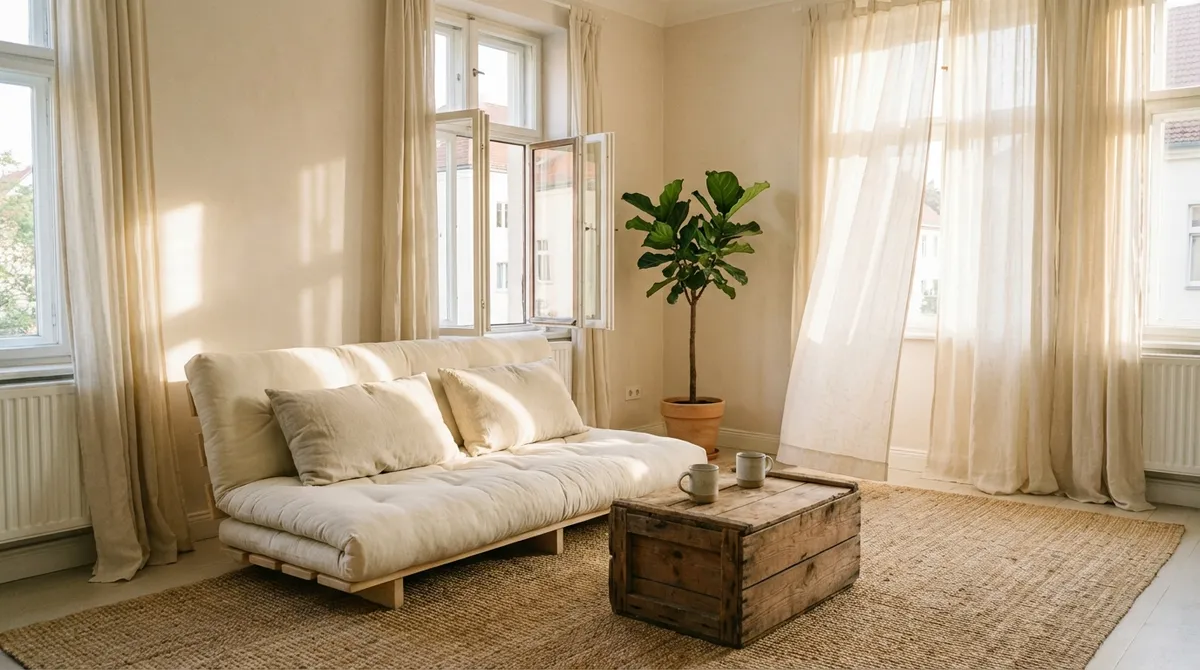
Opt for solid wood over particle board when you can—especially for big pieces like dining tables, bed frames, or bookshelves. They age better, can be refinished instead of replaced, and usually hold their resale value. Lean into natural fibers for textiles: linen, organic cotton, hemp, and wool breathe better, feel more luxurious over time, and avoid the microplastic shedding that comes from synthetic fabrics.
When you’re updating finishes, look for low- or zero-VOC paints and sealants to improve indoor air quality. If you’re renovating, consider flooring like FSC-certified wood, cork, or engineered options made with responsible sourcing in mind. The goal isn’t perfection; it’s to slowly shift your home toward materials that are durable, repairable, and low-tox so your space feels better to live in, year after year.
Circular Decorating: Styling Your Space Without Constant Buying
A quietly radical way to live more sustainably: stop thinking of decor as disposable. Circular decorating is about keeping pieces in motion—within your home, your friend group, and your local community—so style evolves without constant new production.
Start with what you own. Rotate art between rooms, reframe prints, or move a side table into the bedroom as a nightstand. A simple re-style can make a space feel new without buying a thing. When you do want “new,” look for pre-loved: vintage shops, estate sales, Facebook Marketplace, and local resale stores are full of unique finds that already exist in the world.
Take it one step further with a decor swap among friends—lamps, side chairs, mirrors, and textiles are perfect for trading. For bigger pieces, choose designs with timeless shapes and neutral bases, then refresh with smaller accents seasonally. You’re building a home that evolves, not a constantly-reset showroom, and your environmental footprint shrinks every time you reimagine instead of replace.
Quiet Energy Shifts: Designing a Home That Naturally Uses Less
Energy efficiency doesn’t have to mean turning your home into a lab full of blinking devices. Focus on design choices that reduce energy use in the background—subtle, aesthetic, and almost invisible.
Layered window treatments are a powerful starting point: sheer curtains to diffuse harsh light and protect interiors, plus heavier insulated drapes to keep heat in during winter and sun out during peak summer. In spaces that get strong afternoon light, consider light-colored rugs, walls, and furniture that reflect heat instead of absorbing it.
If you’re upgrading appliances, look for Energy Star ratings and choose the most efficient models within your budget. Lighting is another easy win: swap to LED bulbs in warm color temperatures (2700K–3000K) to keep the cozy vibe. For renters or those not ready for big changes, smart plugs and simple power strips still make a difference by cutting standby power at night.
Think of it as “set it and forget it” sustainability—one-time decisions that quietly lower your bills and your footprint while your home still feels like, well, home.
Water-Savvy Living: Small Rituals, Big Long-Term Impact
Water efficiency used to mean low-flow fixtures that felt… underwhelming. Now, you can protect resources and still have a great shower and a lush-feeling home. It’s about smarter fixtures, better habits, and a little bit of strategy.
If you’re replacing hardware, look for WaterSense-labeled faucets, showerheads, and toilets—they’re designed to reduce water use without sacrificing performance. In the kitchen, a simple habit shift—scraping instead of rinsing dishes before the dishwasher, running full loads only—adds up over time.
Outdoors or on balconies, think in terms of micro-climates. Group plants with similar water needs, choose drought-tolerant species where possible, and use chunky mulch or gravel to lock in moisture. If you have space, a slim rain barrel or rain chain setup can turn stormwater into a resource for your garden or potted plants.
Even in a small apartment, a single water filter pitcher plus a reusable bottle can dramatically reduce plastic use and make staying hydrated feel more intentional. Water becomes part of your home’s rhythm—respected, not taken for granted.
Mindful Convenience: Building Low-Effort, Low-Waste Daily Systems
Sustainable living sticks when it feels convenient, not punishing. The most effective changes happen at the intersection of “easy” and “instinctive”—little systems that make the lower-impact choice the default.
Create a “leaving the house” zone by the door: reusable tote bags, a foldable shopping bag in your go-to purse or backpack, and a couple of produce bags so you’re never stuck using plastic by default. In the kitchen, keep a visible, well-designed countertop bin or under-sink caddy for compost if your city or building offers it—something that looks good enough you’ll actually use it.
For cleaning, build a simple, refill-based setup: glass spray bottles, concentrated cleaners, and reusable cloths stored in a pretty basket instead of neon plastic. In your bathroom, try one new low-waste swap at a time—like refillable hand soap, shampoo bars, or recyclable/compostable packaging for basics.
Most importantly, design your systems around how you actually live. Place recycling and compost where you naturally stand when you cook. Keep donation bags in your closet so decluttering becomes a rolling habit, not a once-a-year event. You’re architecting a lifestyle where “sustainable” is the path of least resistance.
Conclusion
A sustainable home doesn’t announce itself with giant solar panels or extreme minimalism. It’s often quiet: durable materials, flexible decor, subtle energy tweaks, water-conscious habits, and daily systems that nudge you toward less waste without constant effort.
The goal isn’t to overhaul everything at once or chase perfection. It’s to let your home evolve—room by room, choice by choice—into a space that feels calm, beautiful, and aligned with the future you want to live in. Low-impact, high-style, and completely your own.
Sources
- U.S. Environmental Protection Agency – Indoor Air Quality and Low-VOC Products – Overview of VOCs and why low- or zero-VOC paints and materials matter for healthier homes
- ENERGY STAR – Residential Products – Details on certified energy-efficient appliances, lighting, and electronics for lower energy use at home
- U.S. Environmental Protection Agency – WaterSense Program – Information on high-efficiency fixtures and water-saving strategies for households
- U.S. Department of Energy – Energy Saver: Heating & Cooling – Practical guidance on improving home comfort while reducing energy consumption
- Harvard T.H. Chan School of Public Health – Healthy Buildings – Research on how materials, air quality, and building design impact human health and wellbeing
Key Takeaway
The most important thing to remember from this article is that this information can change how you think about Sustainable Living.