Sustainable living isn’t just for off-grid cabins and minimalist purists anymore. Today’s version is quieter, design-led, and deeply personal—less about “doing without” and more about curating a home that feels good to live in and good to live with. Think: energy bills that don’t sting, spaces that actually breathe, and materials that age beautifully instead of heading to landfill. This is sustainable living as a lifestyle upgrade, not a downgrade.
Below are five innovative, design-forward ideas for modern homeowners who want their spaces to look elevated while living a lot lighter on the planet.
1. Material-First Design: Curating a Home With a Smaller Footprint
Sustainability starts with what your home is made of, not just how you use it. Instead of chasing trends, think about the ingredients of your space—floors, countertops, textiles, and furniture—and how they were sourced and produced.
Bamboo, cork, FSC-certified wood, recycled metal, and low-VOC paints are becoming the new basics. They’re durable, often naturally beautiful, and don’t off-gas harsh chemicals into your living room. For textiles, organic cotton, linen, hemp, and wool feel luxe, photograph beautifully, and have a lighter environmental footprint than synthetics.
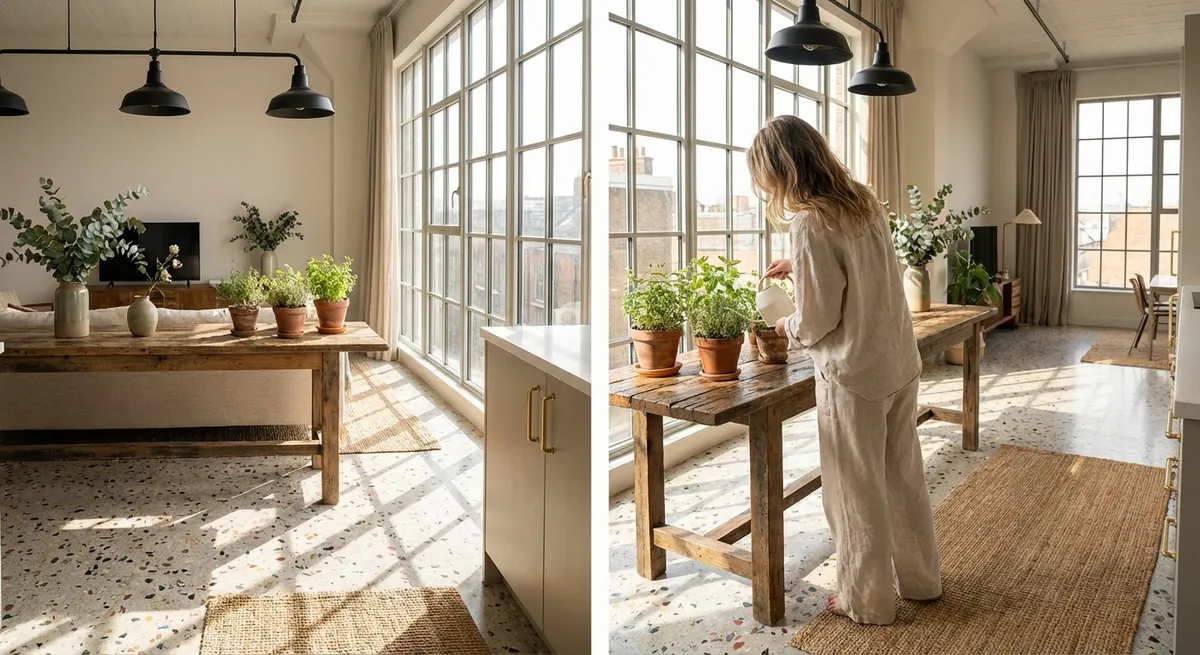
The modern move: swap the “fast furniture” mindset for a slower, collection-driven approach. Invest in one solid wood dining table that can be refinished, or a reclaimed-wood console that brings instant character. Prioritise quality and repairability over quick fixes; you’ll save money and reduce waste over time. Your home becomes less of a revolving door of cheap pieces and more of a considered, evolving story.
2. Passive Comfort: Designing Your Home to Work With the Weather
Before you touch a thermostat, your home can do a lot of the work for you. Passive design is about using layout, light, and airflow so your space naturally stays more comfortable, year-round.
Start with daylight. Large, well-placed windows and skylights can cut daytime lighting needs dramatically while boosting mood and productivity. East-facing windows catch soft morning light; south-facing (in the Northern Hemisphere) or north-facing (in the Southern Hemisphere) windows maximise winter sun. Layer sheers with blackout curtains so you can dial brightness up or down without losing warmth or privacy.
Next, think cross-ventilation. Align windows or vents so fresh air can actually move through your home instead of getting stuck in one room. Ceiling fans, operable clerestory windows, and open-plan layouts all help air circulate, making your space feel cooler without blasting the AC. Exterior shading—like pergolas, deep overhangs, or modern louvres—blocks harsh sun before it hits the glass, which can drastically reduce heat gain in summer.
The result: a home that quietly manages its own comfort, using less energy and feeling more naturally in tune with the seasons.
3. Water-Savvy Living: Everyday Upgrades You’ll Actually Notice
Water efficiency used to mean low-flow fixtures that felt… underwhelming. Now, the best options are designed so well you hardly notice you’re saving litres.
Modern aerated showerheads mix air into the stream, keeping good pressure while using less water. Dual-flush toilets let you choose how much water you use each time—small change, big impact over a year. In the kitchen, touch or sensor-activated taps cut water waste when your hands are full of dishes or ingredients, and high-efficiency dishwashers can actually use less water than handwashing.
Outside, a smart irrigation system is the new must-have for anyone with a garden or lawn. Paired with a simple rainwater collection setup—a slimline tank, rain barrel, or integrated cistern—you can water plants based on real-time needs instead of guesswork. Finish the picture with climate-appropriate, drought-tolerant plantings and native species that support local biodiversity with far less watering.
You get a home that feels lush and functional, but behind the scenes it’s quietly cutting your consumption and your utility bills.
4. Circular Home Habits: Designing for Reuse, Not Just Aesthetic
The most sustainable item is often the one you don’t replace. Designing your home with a circular mindset means thinking about how things will live and how they can be reused, repaired, or rehomed later.
Start with flexible furniture. Modular sofas that can be reconfigured, extension dining tables, and stackable or folding chairs mean your home can adapt as your life changes—new jobs, new hobbies, new family members—without constant purchasing. Look for pieces with replaceable parts: removable cushion covers, refillable soap dispensers, lamps with standard bulbs instead of sealed LEDs you can’t change.
Lean into pre-loved. Vintage and second-hand furniture can anchor a room with character while avoiding the environmental cost of new production. A refinished mid-century dresser or reupholstered lounge chair often outperforms new flat-pack pieces on both quality and personality. Plus, the patina of older materials ages gracefully in a way brand-new finishes can’t fake.
Finally, make decluttering part of your sustainability practice. Instead of bin bags, create clear “resell,” “donate,” and “repair” zones at home. It keeps items in circulation longer, supports local communities, and reduces what ultimately hits the landfill.
5. Micro-Energy Shifts: Subtle Tech That Shrinks Your Bills
You don’t need a futuristic smart home to make a serious energy difference. A few targeted upgrades can make your space feel more streamlined while bringing your usage way down.
LED lighting throughout the home is the baseline now. They use a fraction of the energy of old incandescent bulbs and come in warm colour temperatures that feel cosy, not clinical. Layer them with dimmers so you can scale back brightness—and energy use—depending on the time of day and the mood you want.
If you own your home, consider a high-efficiency heat pump system for heating and cooling; it’s one of the biggest single upgrades you can make for both comfort and carbon. Even in smaller apartments, a heat-pump dryer or an induction cooktop can be game-changing—faster, safer, and cleaner than many traditional options.
Meanwhile, smart plugs and advanced power strips let you cut “vampire” power without constantly crawling under furniture. Set certain outlets to shut off automatically overnight, or when you’re away. Layer in well-insulated windows and doors, and you’ll feel your home holding temperature better, meaning less reliance on appliances and more effortless comfort.
Conclusion
Sustainable living at home isn’t about perfection—it’s about direction. When your flooring, fabrics, water, energy, and daily habits all tilt slightly greener, the cumulative effect is powerful. The best part? None of these shifts ask you to trade comfort or style; they actually tend to heighten both.
Think of your home as a living system. Every material you choose, plant you add, and habit you adopt becomes part of a lighter, more intentional way of living. Start with one idea that resonates—maybe it’s a passive cooling tweak, or a water-smart upgrade—and let the rest build from there. Over time, you’ll end up with a home that doesn’t just look good in photos, but quietly does good in the background every single day.
Sources
- U.S. Environmental Protection Agency – Indoor Air Quality & Low-VOC Materials - Overview of how VOCs from paints and materials impact indoor air and health
- U.S. Department of Energy – Passive Solar Home Design - Explains how orientation, windows, and materials can reduce heating and cooling needs
- EPA WaterSense – Water Efficient Products - Guidance on high-efficiency fixtures and how they reduce residential water use
- Energy Star – Heat Pumps for Heating and Cooling - Details on how heat pumps improve home energy efficiency and comfort
- Ellen MacArthur Foundation – Circular Economy in the Home - Introduces circular principles that inspire repair, reuse, and reduced waste
Key Takeaway
The most important thing to remember from this article is that this information can change how you think about Sustainable Living.