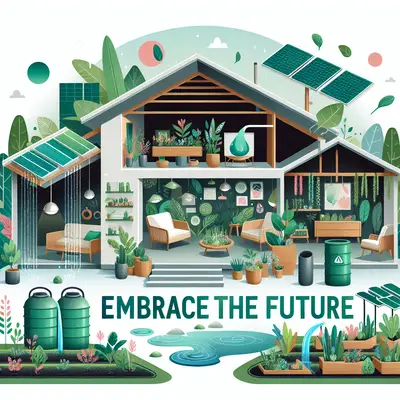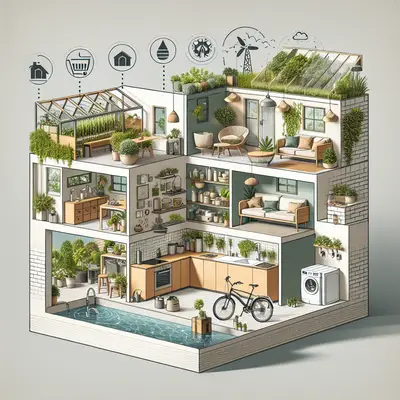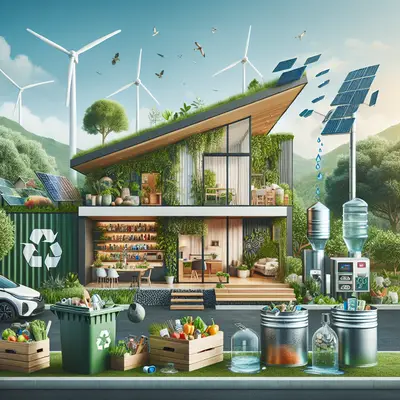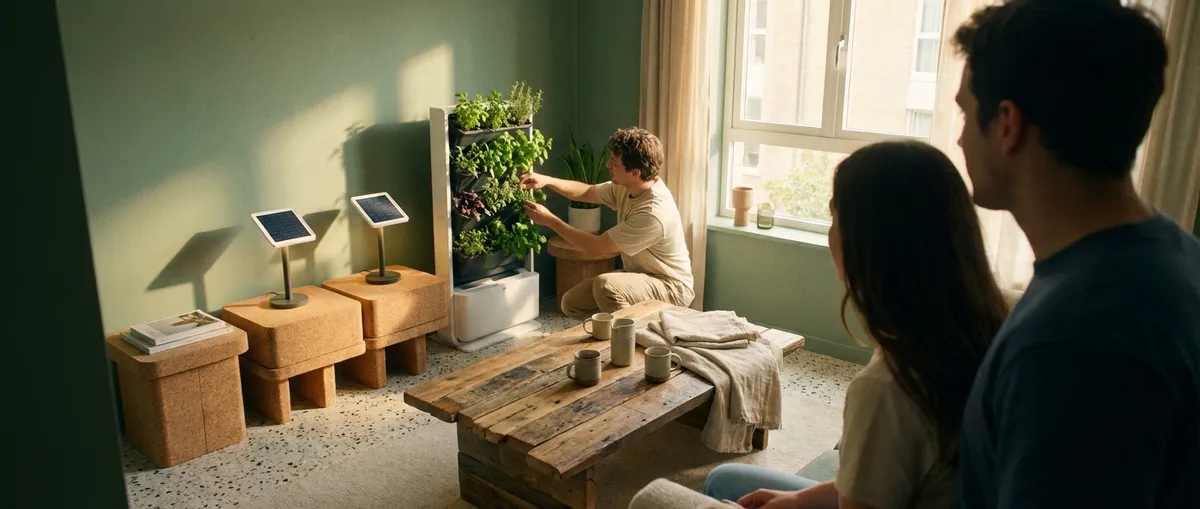
Sustainable living isn’t just about sorting your recycling or swapping plastic straws. For modern homeowners, it’s about designing a lifestyle that feels elevated, intentional, and future-focused—without feeling like a downgrade in comfort or style. Think: homes that look good, feel luxurious, and quietly leave a lighter footprint every single day.
Below are five innovative home-living ideas that merge sustainability with aesthetics, comfort, and that “I’d share this on Instagram” factor.
1. The Materials Glow-Up: Choosing Finishes With a Backstory
Sustainability starts with what you touch every day—floors, countertops, furniture, textiles—but it doesn’t have to scream “eco.” The new wave of conscious materials looks elevated, not earthy-crunchy. Reclaimed wood with a matte finish adds warmth and character that new lumber just can’t replicate. Recycled glass countertops scatter light in a way that feels quietly luxe. Low- or zero-VOC paints keep indoor air cleaner while still delivering that rich, gallery-level color you want on your walls.
Look for third-party certifications like FSC (Forest Stewardship Council) for wood, GREENGUARD or Green Seal for low-emission products, and GOTS for organic textiles. These labels cut through greenwashing and ensure your purchases are more than marketing. Even smaller swaps add up: linen or organic cotton bedding instead of synthetics, wool or jute rugs in place of plastic-heavy fibers, and solid wood furniture that can be repaired instead of tossed.
The real win: your home starts to feel calmer, less “chemical,” and more like a space that’s designed to age gracefully with you.
2. Water-Savvy Living That Still Feels Luxurious
Water efficiency used to mean weak showers and stingy faucets. Not anymore. Newer “water-sense” fixtures are engineered to feel indulgent while using significantly less. Aerated showerheads create a high-pressure feel with lower flow, and modern faucets deliver a strong stream while quietly cutting waste in the background.
Inside, dual-flush toilets, efficient dishwashers, and front-loading washing machines can dramatically reduce your home’s water footprint without changing your daily routines. Outside, smart irrigation systems are a game changer: they connect to local weather data and only water when your plants actually need it. Pair that with drought-tolerant landscaping and native plants, and you get a yard that looks curated, not thirsty.
Rainwater barrels or cisterns can be designed as sleek vertical elements instead of clunky plastic tanks. You can use that stored water for garden beds or outdoor cleaning. The result is a home that feels like a mini ecosystem—functional, beautiful, and designed to work with the weather instead of fighting it.
3. The Comfort-First Climate Strategy
Sustainable homes aren’t about freezing in winter or sweating through summer to “save energy.” The new focus is on smart comfort—designing a shell that holds a stable temperature so your heating and cooling system doesn’t have to work overtime.
Start with insulation and sealing: high-quality insulation in walls, attic, and floors paired with airtight windows and doors can transform how your home feels. Double- or triple-glazed windows don’t just reduce heat loss; they also cut outside noise and make rooms feel instantly calmer. Thermal curtains and cellular shades help control solar gain—keep them open on sunny winter days to warm a room, then close them in summer afternoons to block heat.
Zoned heating and cooling systems let you tailor temperatures room-by-room, so you’re not chilling a guest room you rarely use. Add a smart thermostat programmed around your real habits, and your home adapts as you move through your day. Bonus move: ceiling fans. They use far less energy than AC and, in winter, can gently push warm air down from the ceiling.
The end result is a home that feels consistently comfortable, with energy savings happening quietly in the background.
4. Micro-Production at Home: Energy, Food, and Air
You don’t have to live off-grid to produce things at home—you can do it in small, stylish ways that support a more resilient lifestyle. Rooftop solar is the obvious headline, but there are other micro-moves that are just as interesting for urban and suburban homes.
Indoors, compact hydroponic or vertical garden systems make fresh herbs and greens a countertop reality, not just a Pinterest goal. They use less water than traditional gardening and can be integrated into kitchens as a design feature—think built-in grow lights and sleek planters that double as décor. Composting has also had a design upgrade: modern sealed units control odor and look more like minimal appliances than science experiments.
Indoor air quality is another frontier. Houseplants won’t replace a proper ventilation system, but they do contribute to a calmer, more biophilic space. Combine mechanical ventilation (like energy recovery ventilators in airtight homes) with strategic greenery—tall plants in corners, trailing vines on open shelving, a small “plant moment” by a window—and you get air that feels fresher and a home that feels more alive.
By layering these small systems—solar where possible, a mini food garden, composting, air-conscious design—you transform your home into a place that quietly produces value, not just consumes resources.
5. The Circular Mindset: Designing a Home That Evolves, Not Expires
The most sustainable item is the one you don’t have to replace in two years. A circular approach to home living means choosing pieces and systems that can flex, be repaired, or be repurposed as your life shifts.
Start with furniture: opt for modular sofas with replaceable covers, tables that can expand or contract, and storage pieces that can migrate from living room to bedroom to entryway as your layout evolves. Look for brands that offer spare parts, repair services, or buy-back programs. When you do part with something, sell, donate, or upcycle before defaulting to the curb.
In renovations, design for disassembly where possible—using screws instead of glue, choosing materials that can be reclaimed, and planning built-ins in a way that future owners could adapt. Appliances with replaceable components and transparent repair policies help extend lifespans and reduce e-waste.
Even your décor can go circular: rotate art and accessories seasonally instead of constantly buying new, host swap nights with friends for home goods, and blend vintage finds with modern pieces for a layered, timeless look. The result is a home that feels curated and personal, but never wasteful—and one that can grow with you instead of against you.
Conclusion
Sustainable living at home has evolved from “doing without” to “designing better.” It’s less about sacrifice and more about intention: choosing materials with a story, systems that quietly save resources, and spaces that are as adaptive as they are beautiful.
When you blend low-impact choices with high-style decisions, you don’t just make your home greener—you make it smarter, calmer, and more aligned with the way you actually want to live now and in the future.
Sources
- U.S. Environmental Protection Agency (EPA) – WaterSense - Details on high-efficiency fixtures and strategies for reducing household water use
- U.S. Department of Energy – Energy Saver - Guidance on insulation, windows, and efficient heating and cooling for homes
- Forest Stewardship Council (FSC) - Information on responsibly sourced wood products and certification standards
- Harvard T.H. Chan School of Public Health – Homes for Health - Research-backed recommendations on indoor air quality and healthy home design
- U.S. Green Building Council (USGBC) – LEED for Homes - Framework and case studies on sustainable residential building practices
Key Takeaway
The most important thing to remember from this article is that this information can change how you think about Sustainable Living.