Sustainable living doesn’t have to look like burlap sofas and mason jars everywhere. Today’s eco-minded homes feel polished, intentional, and deeply personal. Think: lower impact, higher comfort, and design choices that still photograph beautifully on your feed. This is about living well now—without borrowing too much from later.
Below are five innovative home ideas that blend style, comfort, and sustainability, tailored for modern homeowners who want their spaces to look good and live better.
Rewilded Interiors: Let Nature Do Some of the Work
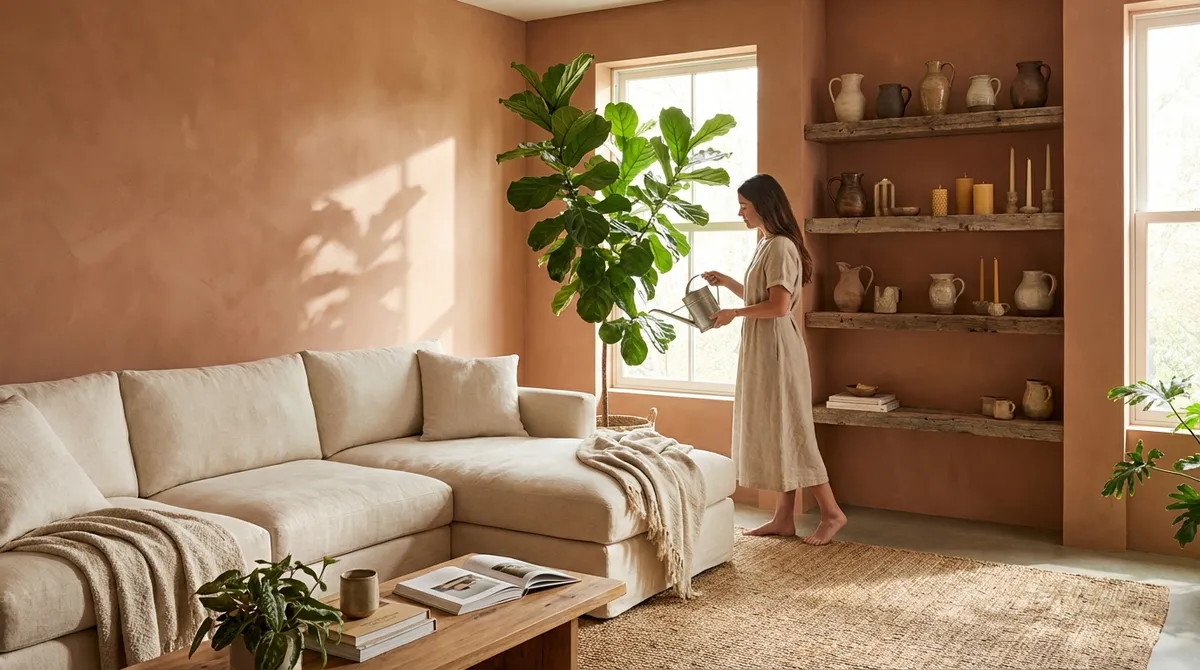
Bringing nature indoors isn’t just about a few potted plants in the corner. Rewilded interiors are about designing your home so nature quietly supports your lifestyle—cleaner air, calmer moods, softer acoustics.
Start by choosing a few statement plants with purpose: a rubber plant or snake plant for air filtering, a trailing pothos to soften sharp architectural lines, or a small indoor olive tree as a sculptural focal point. Cluster plants at different heights instead of scattering them—this creates a “green zone” that feels intentional and anchors the room.
Layer in natural textures that age well: linen curtains that let in soft, diffused light; jute or wool rugs that ground the space; wooden side tables that will develop character instead of needing replacement. These materials tend to be more repairable, breathable, and visually calming than synthetics.
Look for sustainably sourced labels (FSC-certified wood, organic cotton, or third-party eco certifications) and pay attention to finishes—low- or zero-VOC paints and sealants keep your indoor air cleaner. The result is a home that feels alive, evolves with you, and quietly reduces your reliance on synthetic, high-impact materials.
The Circular Closet (For Your Home, Not Just Your Wardrobe)
Circular fashion is trending, but your home can run on the same principle: less buying, more rotating, refreshing, and rethinking what you already own. The goal isn’t minimalism for aesthetics—it’s smarter circulation.
Start by creating a “design rotation” system. Every season, choose a few items to swap around: a lamp from the bedroom moves to the entryway, a side chair becomes a reading nook hero, framed art migrates from hallway to dining area. This micro-reshuffle makes your space feel new without any new purchases.
When you do need something, think second-life first. Explore high-quality consignment, architectural salvage yards, vintage stores, and online marketplaces for things like solid-wood dressers, stone coffee tables, or mid-century lighting. These pieces often outlast new flat-pack options and carry more character.
For items that truly don’t fit your home anymore, treat resale and donation as default, not a last resort. Local buy-nothing groups, neighborhood free-swap pages, or community centers can be a landing place for furniture, decor, and kitchenware that still has life in it. A home rooted in circular thinking feels curated and lived-in—not disposable.
Micro-Energy Moments: Smarter Use, Not Just Smart Tech
You don’t need a fully wired, ultra-high-tech home to live more efficiently. Micro-energy moments are the tiny, nearly invisible shifts in how your home uses power—layered together, they can make a surprisingly big impact.
Start with lighting. Instead of blasting overheads, use layered, lower-intensity lighting: LED bulbs in warm tones, table lamps on timers, motion-sensor night lights in halls and bathrooms. It feels more atmospheric and uses far less energy. Dimmer switches are another small upgrade that instantly adjusts both mood and electricity use.
In the kitchen, think in “zones” rather than single appliances. Group the things you use daily—a kettle, toaster, coffee machine—onto one power strip with a switch. Turn the whole strip off when you’re done to avoid standby power drain. The same approach works for home offices, media consoles, and vanity setups.
Lean into passive strategies where you can: cross-ventilate instead of defaulting to AC whenever possible, choose breathable bedding and fabrics so you can sleep comfortably at slightly warmer temperatures, and use strategic curtain layering (sheers + blackout) to block heat in peak hours and invite in warmth in cooler seasons. This is energy efficiency that feels like comfort, not sacrifice.
The “Neighborhood Pantry” Mindset: Hyper-Local, Hyper-Practical
Sustainable homes don’t exist in isolation—they’re part of a broader ecosystem. The “neighborhood pantry” mindset reframes your home as one node in a local network of resources, skills, and stuff. It’s soft sustainability: less about rules, more about thoughtful sharing.
Start small with things that naturally lend themselves to borrowing: tools, specialty kitchen gear, seasonal decor, even bulky items like folding tables or extra chairs for gatherings. A simple group chat or shared digital list among neighbors or friends can turn individual clutter into a shared resource pool.
When it comes to food, think local layers. Maybe it’s a weekly farmers’ market haul, a neighborhood CSA (community-supported agriculture) box, or a micro-herb garden on your windowsill that cuts down on last-minute plastic-packaged store runs. If you have a yard, even a small one, consider turning a corner into a shared raised bed with a neighbor—shared work, shared harvest.
This mindset also extends to skills. Someone knows basic bike repair, someone else is great at mending textiles, another loves refinishing furniture. Hosting casual “fix nights” or swap sessions at home keeps items in circulation longer, builds community, and reduces the need to constantly buy new.
Low-Waste Daily Rituals That Feel Elevated, Not Deprived
Sustainable living often falls apart at the level of daily habit because it feels like saying no all the time. Reframing your routine as a series of small, elevated rituals makes low-waste living feel indulgent instead of restrictive.
In the bathroom, upgrade from disposable to reusable in ways that feel spa-like: glass or ceramic refillable dispensers, soft reusable cotton rounds, high-quality razors with replaceable blades, and shampoo bars that actually match your hair type. Curate fewer products, but better ones—bonus points for brands with refill systems or concentrate formats.
In the kitchen, dial in a “signature” drink or snack ritual that’s mostly homemade: cold-brew in a reusable carafe, citrus-infused water, or a matcha routine that lives in a dedicated tray with its own tools. When the at-home version feels special, you’re naturally less tempted by single-use to-go options.
At the entryway, build a grab-and-go zero-waste zone: a stylish basket with reusable totes, a hook with a foldable shopping bag, a small drawer with clean food containers for leftovers or takeout. The goal is to make the sustainable choice the default, because it’s easier and better-looking, not because you’re forcing it.
These micro-rituals integrate sustainability into the texture of your day. Over time, they become part of your personal style—not just your environmental footprint.
Conclusion
Sustainable living in 2026 isn’t about turning your home into a science project or a monastery. It’s about designing spaces and habits that feel grounded, beautiful, and future-aware. Rewilded interiors, circular thinking, micro-energy tweaks, neighborhood-minded sharing, and elevated low-waste rituals all point in the same direction: a home that quietly does more good than harm, while still feeling like somewhere you genuinely want to be.
Start with one idea that excites you—not the one that seems the most “responsible.” When sustainability aligns with pleasure, comfort, and style, it stops being a checklist and starts becoming your default way of living.
Sources
- U.S. Environmental Protection Agency – Indoor Air Quality Basics - Overview of how materials, finishes, and ventilation affect indoor air quality
- Energy.gov – LED Lighting - Details on energy savings and benefits of LED lighting in homes
- Harvard T.H. Chan School of Public Health – Housing and Health - Research on how building choices impact health and well-being
- U.S. Department of Agriculture – Local Food Systems - Background on the benefits and structure of local food networks and CSAs
- Ellen MacArthur Foundation – Circular Economy in Homes & Cities - Explanation of circular economy principles and how they apply to everyday living
Key Takeaway
The most important thing to remember from this article is that this information can change how you think about Sustainable Living.