Sustainable living has officially moved past beige hemp and guilt trips. Today, it’s about homes that feel elevated, low-maintenance, and quietly good for the planet—without screaming “eco warrior” in all caps. Think subtle upgrades that slide into your real life, look great on your feed, and actually make your space easier (and more fun) to live in.
Below are five innovative home ideas designed for modern homeowners who care about impact, but also about aesthetics, comfort, and ease.
1. The “Always-On-Point” Pantry: Stylish Bulk, Zero Chaos
A sustainable kitchen doesn’t have to look like a survival bunker with mismatched jars and mystery bags. The new wave of eco pantries is part design moment, part smart system.
Swap random packaging for a curated set of clear canisters, glass jars, and stackable bins that actually match your kitchen aesthetic. Decant your staples—rice, oats, pasta, coffee, nuts—so you can buy in bulk and skip the endless stream of tiny plastic bags and branded boxes. Label cleanly (no neon stickers; think minimalist, modern fonts) so everything feels like a boutique grocer, not a storage closet.
The trick is to make it hyper-functional: create a “use first” zone for near-expiry items, group by how you cook (breakfast zone, quick-dinner zone, baking zone), and keep a small clipboard or digital note for tracking what you’re low on. Suddenly, your pantry is the star of your kitchen, you waste less food, and your grocery runs get faster and cheaper.
This is sustainable living that looks like lifestyle content, not homework.
2. Material Glow-Up: Investing in Pieces That Age Beautifully
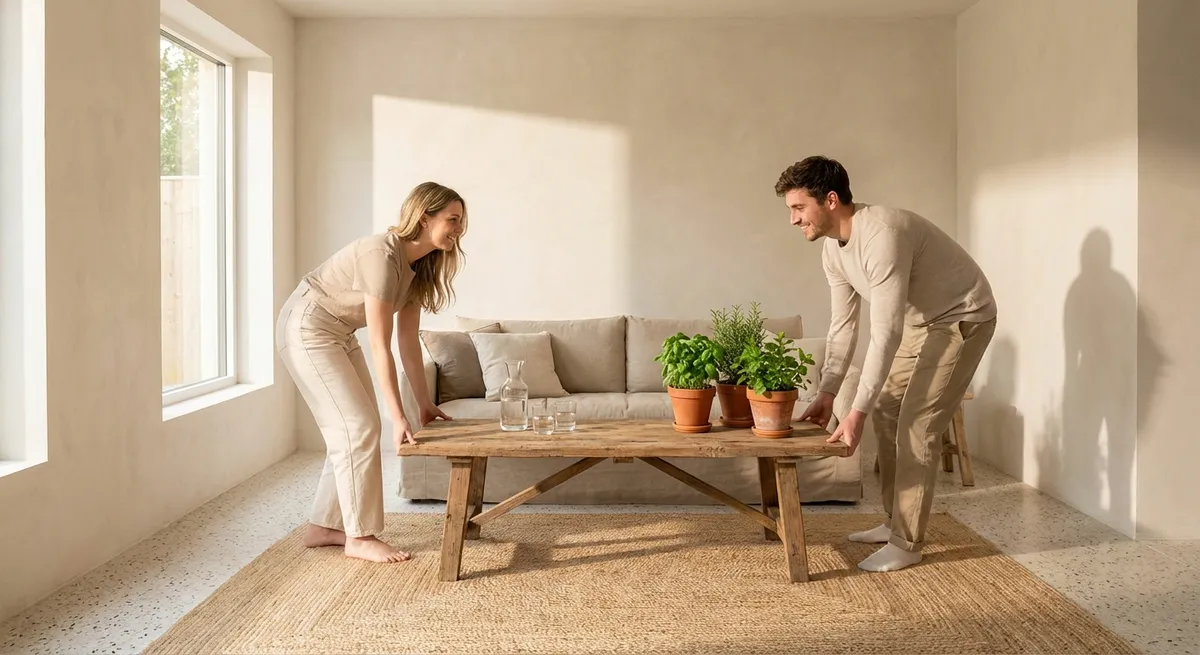
The most sustainable piece is the one you don’t have to replace every two years. But longevity doesn’t have to mean boring or “serious adult furniture.” It just means choosing materials that get better with time instead of falling apart.
Look for:
- Solid wood (FSC-certified if possible) instead of particleboard for high-use items like dining tables and bed frames. You can refinish, repair, and restain instead of replacing.
- Natural fibers like linen, wool, organic cotton, and jute for rugs, curtains, and upholstery. They breathe better, feel more luxe, and avoid that plasticky sheen.
- Timeless shapes, bold accents: anchor pieces neutral and simple; bring personality with colorful art, sculptural lamps, or statement cushions you can swap out over time instead of buying new big furniture.
You’re not just reducing waste—you’re building a home that develops a narrative: the leather chair that softens, the wood table that tells every dinner story in patina. Sustainability, but make it sentimental.
3. Micro-Climate Home Zones: Comfort Without Cranking the Whole House
Running your whole home at one temperature is like blasting music through the entire building when you only need it in the kitchen. Smarter comfort is the new energy move.
Instead of over-relying on central heating or cooling, build “micro-climate” spots where you actually live:
- Cozy corners with a heated throw and a thick rug so you can turn the thermostat down a degree or two in winter and still be comfortable.
- Breathable bedroom layers—cotton or linen sheets, a lighter duvet, and blackout curtains—so you’re cooler at night without freezing the rest of the house with AC.
- Strategic fans and cross-ventilation: a ceiling fan plus a well-placed window routine can dramatically reduce how often you need active cooling.
Layer in subtle tech if it fits your lifestyle—like a room-based smart thermostat or smart radiator valves—so you only heat or cool the spaces you’re actually using. Your utility bill shrinks, your carbon footprint drops, and your home starts responding to how you actually live, not what a default setting says.
4. “Refill Culture” at Home: A Mini Refill Bar That Feels Boutique
Refill culture has moved from niche zero-waste stores to something much more elevated and accessible. You can recreate the vibe at home with a refill bar that feels more like a self-care ritual than a chore list.
Set up a small station—maybe a shelf in your laundry zone or a styled corner in your bathroom—with:
- Matching glass or aluminum bottles for hand soap, dish soap, and multi-surface cleaner
- A tall, labeled jar for dishwasher or laundry pods
- A tray for bars: shampoo, conditioner, and body soap in neutral, design-forward colors
Once that’s in place, you can refill from bulk containers, local refill shops, or subscription brands that ship concentrates in minimal packaging. You buy the “pretty” containers once and keep reusing them, while the actual product arrives in low-waste formats.
The aesthetic payoff is huge: fewer mismatched neon bottles, more spa-adjacent energy. It’s a small shift that turns every wash, clean, and reset into something that feels curated—and massively cuts down on plastic.
5. Urban Jungle 2.0: Plants With a Job, Not Just a Look
Houseplants have moved from trend to baseline—but the next evolution is choosing plants that don’t just look good, they work for your home.
Try mixing your “just pretty” plants with ones that earn their spot by:
- Filtering air (within reason): while plants won’t replace real ventilation, studies show some species can help reduce certain indoor pollutants in controlled conditions. Mix snake plants, spider plants, and pothos in frequently used spaces.
- Softening acoustics: tall plants with broad leaves in corners or near echo-prone walls can subtly dampen sound and make open spaces feel calmer.
- Delivering food: herbs on the kitchen sill, chili plants on a sunny balcony, or a compact planter with salad greens. You’re not starting a farm—just cutting down on plastic-wrapped herbs and last-minute store runs.
The result is a living, evolving layer in your home that’s doing more than filling dead space. Every corner becomes a tiny ecosystem, and your interiors feel less staged, more alive.
Conclusion
Sustainable living at home doesn’t have to be a dramatic lifestyle pivot or an aesthetic downgrade. It’s a series of quiet, clever moves: a pantry that feels like a design project, materials that age with you, comfort that’s targeted instead of wasteful, refills that look boutique, and plants with a purpose.
The win is twofold: your daily life gets smoother, more beautiful, and more intentional—while your environmental impact quietly shrinks in the background. This isn’t about perfection. It’s about building a home that feels like the future, without losing the warmth of right now.
Sources
- U.S. Environmental Protection Agency – Sustainable Management of Materials – Overview of how material choices and waste reduction impact the environment
- U.S. Department of Energy – Energy Saver: Heating & Cooling – Guidance on reducing energy use for home heating and cooling
- Forest Stewardship Council (FSC) – Information on responsibly sourced wood and certified products
- Harvard T.H. Chan School of Public Health – Indoor Air Quality – Insight into indoor air quality and strategies to improve it
- Natural Resources Defense Council – Food Waste – Data and strategies on reducing food waste at home
Key Takeaway
The most important thing to remember from this article is that this information can change how you think about Sustainable Living.