Sustainable living isn’t just about swapping plastic straws or memorizing recycling rules. It’s about designing a home that quietly supports the way you actually live—less waste, more intention, and a vibe that still feels elevated, not extreme. Think: subtle shifts in your daily rituals that make your space feel calmer, smarter, and more in sync with the planet.
Below are five innovative, lifestyle-forward ideas you can layer into your home—no eco-perfection required.
1. Turn Your Kitchen Into a Zero-Waste Prep Studio
The kitchen is usually where waste adds up fastest, so reimagining it as a “prep studio” instead of just a cooking zone changes the whole energy.
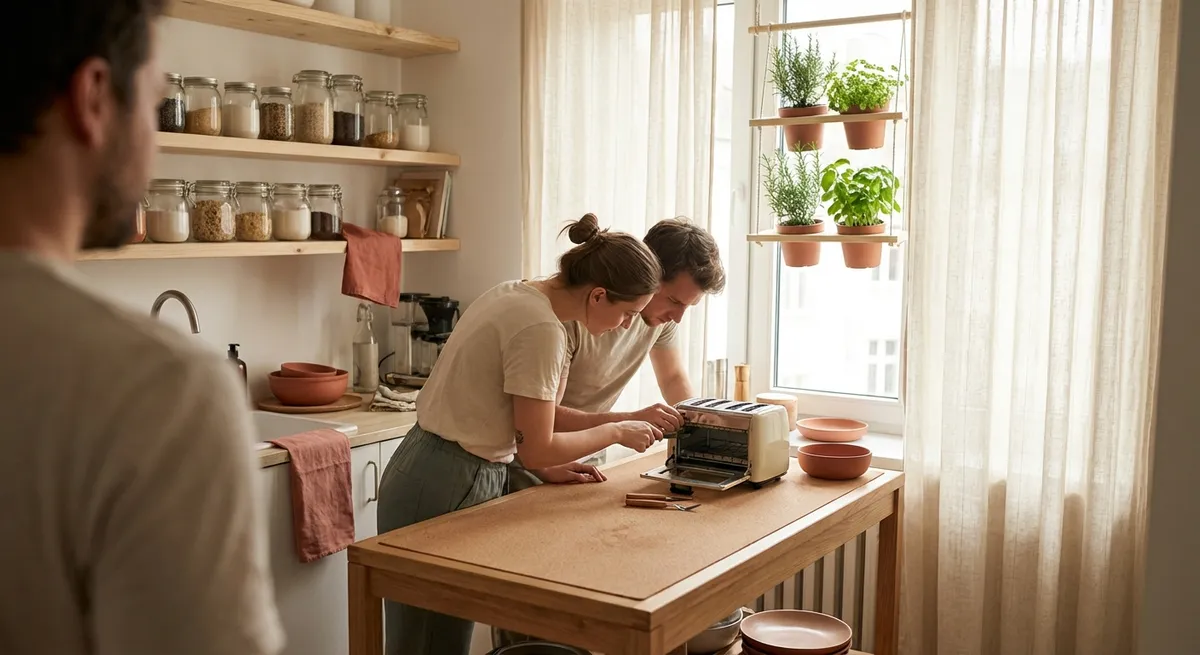
Start by building a refill habit: clear glass jars for pantry staples, stackable containers for bulk buys, and a small “refill basket” by the door to grab when you do groceries. Suddenly, your shelves look curated and you’re cutting down on packaging.
Layer in smarter storage: beeswax or vegan wraps for cut produce, silicone bags instead of single-use plastic, and a dedicated “eat me first” bin in the fridge for anything about to expire. Treat leftovers like a planned second act—label them, freeze them in single portions, and keep a running list on a whiteboard or your phone.
If you cook often, a compact countertop compost bin or a sleek under-sink system turns scraps into something useful instead of trash. Many cities now have compost pick-up or drop-off points, and if you have outdoor space, a simple bin or tumbler can feed your plants later.
The goal: a kitchen that feels organized, photogenic, and quietly cutting your waste in half.
2. Design a “Low-Energy Comfort Zone” at Home
Instead of trying to make your whole home ultra-efficient overnight, focus on one main comfort zone where you spend the most time—usually the living room or bedroom.
Think of it as your personal energy-optimized lounge:
- Use layered lighting: one warm floor lamp, a table lamp, and maybe LED strips behind a media unit instead of blasting the overheads all night. Dimmable LEDs use less power and instantly make the space feel more intentional.
- Invest in good insulation where it matters most: thermal curtains, a dense rug, and a draft stopper under the door can hold warmth in winter and keep heat out in summer, easing the load on your HVAC.
- Swap to smart, high-efficiency fans or a modern ceiling fan to reduce AC dependence in shoulder seasons.
- Keep a cozy “comfort kit” nearby—throw blanket, slippers, and a carafe of water—so you’re not constantly going room to room, lights on, devices running.
By dialing in one zone, you’re not just saving energy—you’re creating a go-to space that feels like a lounge you’d actually book time in.
3. Curate a “Circular Closet” That Doubles as Home Decor
Your wardrobe is one of the most powerful places to lean into sustainable living, and it doesn’t have to stay hidden behind doors.
Start with a mini edit: pull out only the clothes you truly wear and love, and display them on a simple open rail or a freestanding rack in your bedroom or hallway. Choose quality over quantity—natural fibers, timeless cuts, versatile colors. Your everyday pieces become part of the room’s aesthetic, like a rotating art installation.
Bring in circular habits:
- Set a quarterly “swap night” with friends at your place—everyone brings a few pieces and goes home with something new-to-them.
- Use a labeled box or stylish basket for “resell or donate,” so items in limbo don’t clog your closet.
- Store higher-end pieces in garment bags and care for them properly (steaming, spot-cleaning, resoling shoes), extending their life instead of replacing them.
Bonus: a curated clothing rail near the entry can double as a “capsule” for the current season, which makes getting dressed faster and reduces impulse shopping.
4. Grow a Micro Biophilic Zone (Even in a Small Space)
You don’t need a full garden to live greener—you just need one intentional, living corner.
Create a micro biophilic zone: a cluster of plants, textures, and natural materials that visually anchor a part of your home. This could be a windowsill herb garden in your kitchen, a plant shelf in your living room, or a small balcony transformation.
Focus on function and mood:
- Kitchen: basil, mint, and chives in simple pots—easy to cook with, easy to keep alive. Add a ceramic tray underneath to catch drips and keep it styled.
- Living room: air-purifying plants like snake plants or pothos in neutral planters, paired with a wood stool, a jute basket, or a stone tray.
- Balcony: vertical planters, railing planters, or a narrow shelf for herbs and pollinator-friendly flowers. A foldable chair and an outdoor-safe rug turn it into an instant retreat.
Use this corner as a ritual anchor—water plants while your coffee brews, snip herbs as you cook, or sit there for five minutes to reset between calls. That daily connection with something living has huge mental health benefits and deepens your sense of responsibility to the environment.
5. Create a “Second Life” Station for Stuff You’d Usually Toss
Every home has a random-clutter zone: dead chargers, old candles, gift bags, jars, takeout containers. Instead of letting them float, give them a job.
Set up a “Second Life” station—a shelf, cabinet, or set of bins dedicated to items that can be reused, repurposed, or properly recycled.
A few ideas:
- One bin for “DIY materials”: glass jars for pantry storage or vases, pretty boxes for organizing drawers, ribbons and gift bags for future presents.
- One bin for “tech & batteries”: a designated place for used batteries, light bulbs, and e-waste until you drop them at a proper recycling point.
- One bin for “creative reuse”: fabric scraps, leftover tiles, paper bags—perfect for small projects, padding packages, or kids’ crafts.
Label everything clearly so your household knows where things go. Over time, you’ll buy less new organizing stuff, reduce what you send to landfill, and always have materials on hand when you want to tweak or upgrade a corner of your home.
This isn’t about hoarding; it’s about intentional reuse with boundaries.
Conclusion
Sustainable living at home doesn’t have to look radical or complicated. It can feel like a series of design-forward tweaks: a kitchen that naturally reduces waste, a comfort zone that uses less energy, a closet that lives in the open, a tiny green corner that grounds you, and a “Second Life” station that shifts how you see everyday objects.
When your home is set up to support these habits, sustainability stops being a chore and starts feeling like part of your personal style. Start with one idea, let it become a ritual, then layer in the next—your future self (and the planet) will feel the difference.
Sources
- U.S. Environmental Protection Agency – Sustainable Management of Food - Overview of food waste reduction strategies and environmental impact
- U.S. Department of Energy – Energy Saver: Home Heating and Cooling - Guidance on insulation, air sealing, and home energy efficiency
- EPA – Composting at Home - Practical information on starting and maintaining a home compost system
- Harvard T.H. Chan School of Public Health – Built Environment and Health - Research-backed insights on how home environments affect well-being
- University of Michigan – Sustainable Fashion and Textile Waste - Discussion of clothing waste and circular fashion practices
Key Takeaway
The most important thing to remember from this article is that this information can change how you think about Sustainable Living.