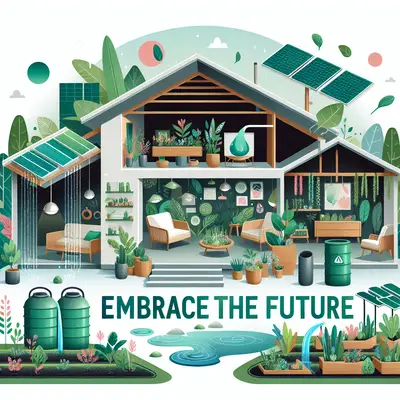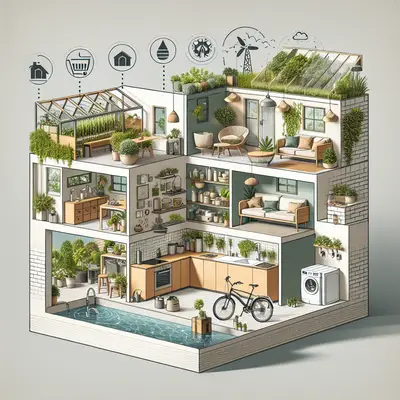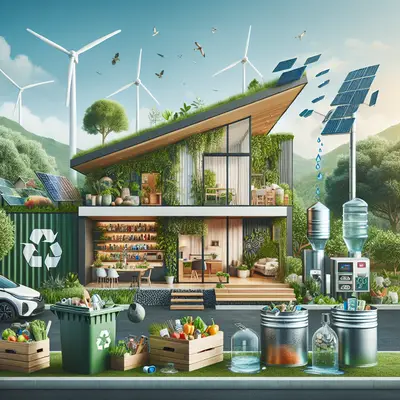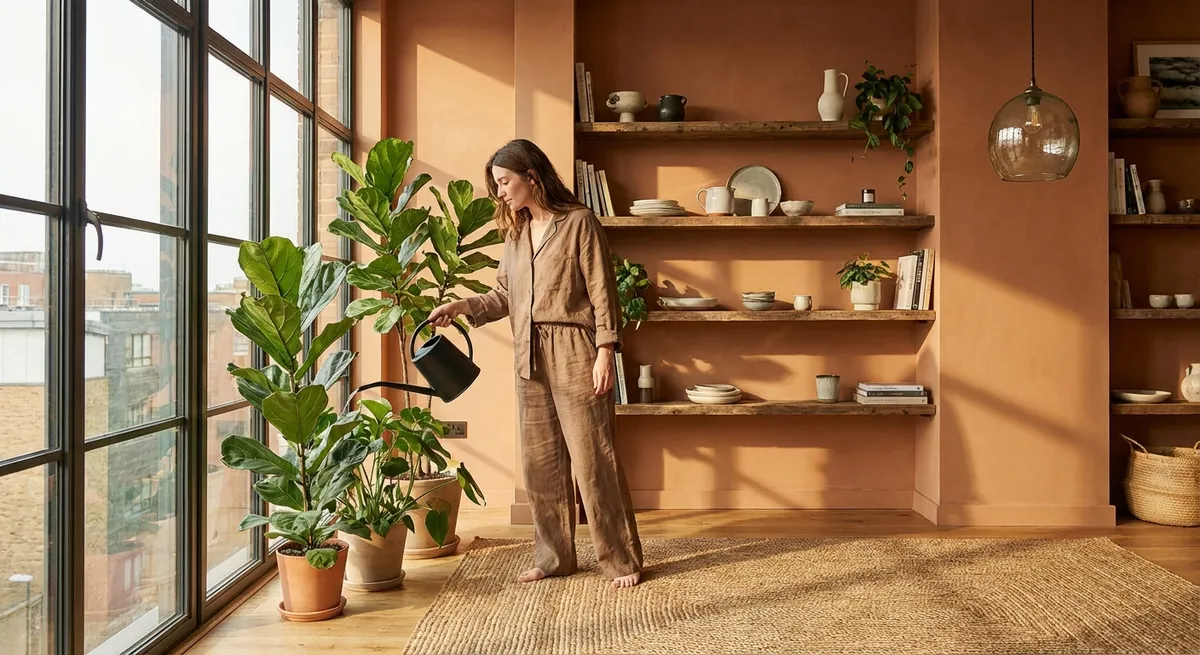
Sustainable living isn’t about doing less anymore—it’s about living better, with more intention and way more style. Think: homes that feel like boutique hotels, run like efficient studios, and quietly lower your carbon footprint in the background. For modern homeowners, the question isn’t “How do I go green?”—it’s “How do I make sustainability feel elevated, seamless, and not like a compromise?”
Below are five fresh ideas that blend design, comfort, and environmental impact—no crunchy vibes, no guilt-tripping, just smart moves that future-you (and your energy bill) will thank you for.
1. Design a “Climate-Smart” Floor Plan, Not Just a Pretty One
Most people plan their layout around furniture and aesthetics; climate-smart homes start with light, airflow, and orientation. Before you think “sofa,” think “sun.” Where does the light hit in the morning and afternoon? Which room actually gets the best cross-breeze? Aligning your daily life with your home’s natural patterns means less artificial light, less AC, and more comfort.
For example, place work zones or gyms in naturally bright rooms so you’re not blasting overhead lights all day. Reserve the coolest, shadiest room for sleeping so you rely less on nighttime cooling. Even small moves—like using glass interior doors or transom windows—can pull daylight deeper into dark hallways. Pair this with light-reflective paint (higher LRV values) and surfaces to stretch natural light further.
The lifestyle win: your home feels brighter, calmer, and more “architected,” even if all you changed was how you use the space. The sustainable win: lower energy use with zero extra effort once it’s set up.
2. Curate “Energy Beautiful” Lighting, Not Just Mood Lighting
Mood lighting is great; smart, efficient mood lighting is better. LED tech has evolved past cold, blue-toned bulbs—now you can choose warm, dimmable, high-CRI options that make your space feel expensive and slash your electricity usage. Treat your lighting like a curated collection instead of a random mix of bulbs.
Start by standardizing bulbs in each zone: warm white (2700K–3000K) for living and bedrooms, neutral (3500K–4000K) for kitchens and workspaces. Layer these with floor and table lamps instead of relying solely on overhead fixtures, which eat up more energy and often feel harsher. Add smart controls—dimmers, motion sensors in transition spaces, and scheduled routines—to automatically ease lighting down at night and when you’re away.
You’re not just using less power; you’re designing the emotional “rhythm” of your home. Morning: soft, bright but warm. Afternoon: neutral for focus. Night: low and cozy. It feels like a lighting designer touched your space, but really, it’s just thoughtful tech and efficient bulbs doing quiet work in the background.
3. Turn Water Use Into a Lifestyle Ritual, Not a Mindless Habit
Water is the one resource we interact with constantly but rarely design around. A sustainable home doesn’t just reduce water use—it reframes it as something intentional and even luxurious. Think spa energy, not scarcity mindset.
Start by upgrading key fixtures, but do it with design in mind: slim-profile, WaterSense-labeled faucets and rain-style showerheads that balance pressure with efficiency. Add a simple timer or waterproof hourglass in the shower—not to rush you, but to make you more aware of time spent. A four- or five-minute shower becomes a focused ritual, not aimless scrolling under hot water.
In the kitchen, install a pull-out faucet with an efficient spray mode and keep a stylish carafe or pitcher in the fridge to cut down on constant tap-running for cold water. If you have outdoor space, consider a discreet rain barrel system that feeds your plants; the visual of “free” water collecting near your garden is a subtle daily reminder of cycles and conservation.
Water efficiency moves from “rules” to “rituals”—you stay mindful, but your home also feels more spa-like and curated, not restricted.
4. Build a “Circular Closet” for Your Home, Not Just Your Wardrobe
We talk a lot about circular fashion, but your home has a closet too: furniture, decor, textiles, and materials that move in and out over the years. A circular mindset for interiors means choosing pieces that can be repaired, reupholstered, resold, or repurposed—with style, not sacrifice.
Instead of fast furniture that looks tired in two years, aim for a mix: strong core pieces (sofas, tables, storage) with solid frames or timeless silhouettes that can evolve with new fabric or hardware, plus more playful, lower-impact layers (art, textiles, small decor) that you’re comfortable swapping secondhand. Materials matter here: wood over particleboard, metal over plastic, natural fibers over synthetics where possible.
Build your own micro “circulation system”: a dedicated storage shelf or bin for items you’re rotating out, a go-to local consignment store or resale app, and a short list of upholstery or repair services you actually save in your phone. When you know where an item can go next (reuse, resale, refinish), you buy differently from the start.
The result is a home that evolves like a wardrobe—refreshed, edited, visually cohesive—but with far less waste and a calmer sense of continuity.
5. Quietly Electrify Your Life, One Habit Cluster at a Time
Electrification can sound big and abstract—heat pumps, induction, EVs—but it’s often easier (and more sustainable) to think in “habit clusters” instead of hardware alone. Look at how you actually live, then electrify the patterns.
If you cook a lot, start there: an induction cooktop or portable induction burner paired with efficient pans changes your daily ritual instantly—faster boiling, cooler kitchen, lower emissions. If you’re constantly doing laundry, a high-efficiency heat pump dryer or even a stylish indoor drying rack near a sunny window could be your anchor move. Big on home comfort? A heat pump system or mini-split that both heats and cools might be the star upgrade.
Around each “anchor,” build supportive micro-changes: a magnetic strip to store induction-friendly pans, a beautiful woven laundry basket near your drying zone, insulated curtains to complement your efficient HVAC. It’s less about one flashy tech purchase and more about designing entire routines to be electric, efficient, and enjoyable.
The big-picture upside: every cluster you electrify usually saves money over time, cuts emissions, and makes daily life smoother. You’re not just swapping machines—you’re updating the operating system of your home.
Conclusion
Sustainable living doesn’t have to look like sacrifice, and it definitely doesn’t have to look generic. When you zoom in on how your home feels—light, temperature, water, objects, and daily rituals—you can design a space that’s both deeply personal and quietly future-proof.
Start with one idea that matches your lifestyle: maybe it’s getting serious about daylight, rethinking how you use water, or finally upgrading that one energy-hungry appliance. Layer in design, comfort, and a bit of tech, and sustainability stops being a chore—it just becomes how a modern, well-edited home works.
Sources
- U.S. Department of Energy – Energy Saver: Lighting Choices to Save You Money - Overview of efficient lighting options, including LEDs and controls
- U.S. Environmental Protection Agency – WaterSense - Info on water-efficient products and labeling for faucets, toilets, and showerheads
- Harvard T.H. Chan School of Public Health – Home Energy Efficiency and Health - Research and guidance on healthier, lower-impact energy choices at home
- U.S. Department of Energy – Heat Pump Systems - Explains how heat pumps work and why they’re an efficient option for heating and cooling
- MIT Climate Portal – Why Electrify Everything? - Plain-language breakdown of electrification and its climate benefits
Key Takeaway
The most important thing to remember from this article is that this information can change how you think about Sustainable Living.