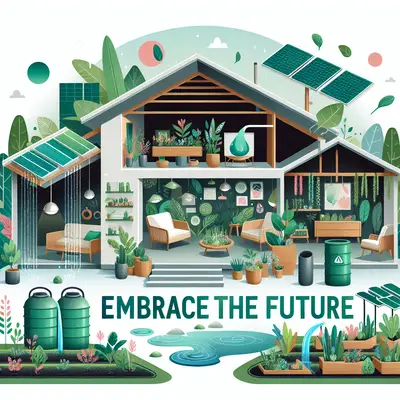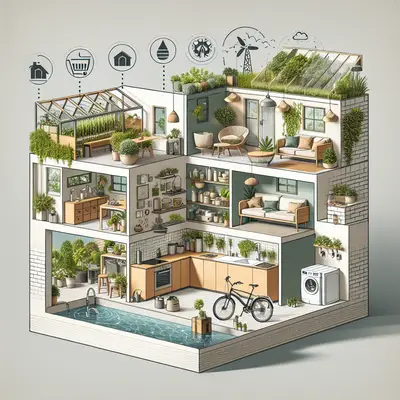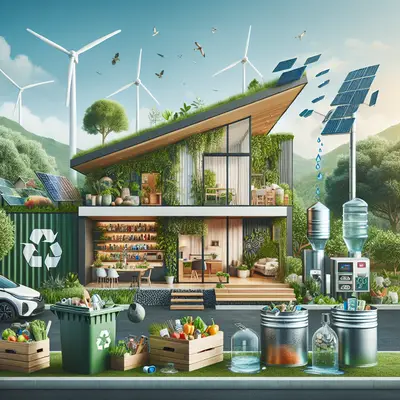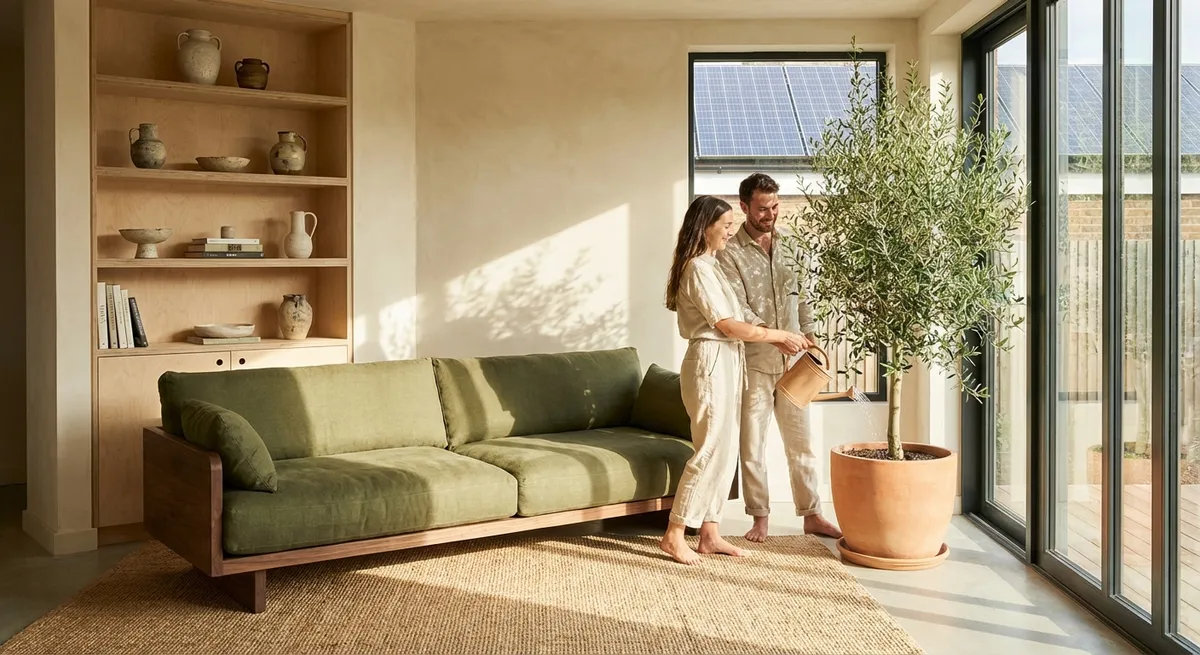
Sustainable living isn’t just about metal straws and sorting your recycling anymore. It’s about curating a home that feels elevated, intentional, and quietly smart about the planet. Think: soft, natural textures, appliances that basically run themselves, and spaces that support your actual life instead of constantly demanding more from you.
For modern homeowners, sustainability is starting to look a lot like good taste: less waste, more thoughtful design, and everyday systems that save energy without screaming “eco.” These ideas are about making your home feel calmer, more beautiful, and more efficient—while your carbon footprint shrinks in the background.
Mood-First Lighting That Learns Your Rhythms
Forget the old “turn off the lights when you leave” lecture. Today’s sustainable lighting is all about layered ambience and automation. Start with warm, dimmable LEDs in every main space—aim for bulbs in the 2700K–3000K range so your rooms feel cozy, not clinical. Then add a couple of statement fixtures (a sculptural pendant over the dining table, a slim floor lamp in the living room) so the eco-friendly choice also feels design-forward.
The magic happens when you pair smart bulbs or switches with schedules and sensors. Set your home to slowly brighten in the morning instead of jolting you awake, then fade to softer, golden light at night to support your sleep cycle. Motion sensors in hallways, closets, and bathrooms mean lights only stay on when someone’s actually there. Over a year, small changes add up to big energy savings—without you constantly thinking, “Did I leave that light on?”
The “Second-Use” Pantry: Rethinking What Belongs in Your Kitchen
A truly modern kitchen isn’t just about the sleek island and induction cooktop—it’s about how you keep things flowing so you waste less and cook more easily. One of the smartest upgrades? A dedicated “second-use” zone in your pantry or fridge for ingredients that are still good but at their peak-right-now moment. This is where you stash the limp herbs, bruised fruit, and half-used jars that usually die a slow, guilty death.
Design it visually: use a clear bin or a labeled shelf that you see the second you open the door. Then build a few go-to “rescue recipes” into your week—smoothies for soft fruit, quick stir-fries for mixed veggies, frittatas for random leftovers. Layer in glass containers, beeswax wraps, and stackable jars that make it easy to actually see what you own. The end result: a kitchen that feels curated, not cluttered, and a food system that quietly cuts waste without asking you to overhaul your entire cooking style.
Material Matchmaking: Choosing Pieces That Age Well, Not Fast
The most sustainable furniture is the piece you don’t have to replace in three years. Instead of chasing every micro-trend, think material-first: what will actually look better with time? Solid wood tables that can be refinished instead of tossed, wool rugs that clean up nicely, stone counters that embrace patina rather than perfection. Even in small spaces, one or two substantial, quality pieces can anchor a room and let the rest be more flexible and budget-friendly.
Blending new and pre-loved is where it gets interesting. A vintage credenza next to a slim, modern sofa feels considered, not “thrift store.” Upgraded hardware, fresh upholstery, or a new stain can turn something found into something personal. Look for certifications (like FSC wood) and transparent sourcing when you do buy new, and be honest about how you actually live—if you have kids, pets, or a weekly red-wine ritual, performance fabrics and darker finishes are your sustainable secret weapons. Keeping things longer is a climate win, but it’s only possible if they survive real life.
Water-Savvy Living That Still Feels Indulgent
Cutting water use doesn’t have to feel like a downgrade from your dream bathroom. Start where it’s invisible: swap in high-efficiency fixtures—low-flow showerheads, dual-flush toilets, aerated faucets—that are designed to feel full-pressure but use far less. A lot of the newer models focus on experience, not just savings, so you still get that spa-like steam without the guilt.
In the laundry room, choose cooler washes by default and run full loads; modern detergents are built to work in cold water anyway. If you have a yard, consider a rain barrel tucked by the downspout or drought-tolerant landscaping that still feels lush—think native grasses, herbs, and pollinator-friendly blooms. Indoors, keep a sleek pitcher or carafe by your work area to refill from the tap instead of single-use bottles. The shift is subtle: you’re not “rationing”—you’re streamlining, designing your routines so luxury and restraint can actually co-exist.
The One-Home, Many-Lives Layout: Flexible Rooms, Fewer Square Feet
Instead of dreaming about a bigger house, more homeowners are asking a better question: how many lives can one home live? A sustainable floor plan is less about size and more about flexibility. That sunny corner that’s just holding a random chair could become a micro-office with a slim desk and a plug-in task lamp. A guest room that sits empty 90% of the time can double as a creative studio, yoga space, or content corner with a clever daybed and closed storage.
Fold-away desks, nesting tables, and movable partitions let you “reprogram” your space as your life shifts—new job, new baby, new hobby, all without extra square footage. The benefit to the planet is clear: smaller, smarter spaces are easier to heat, cool, and maintain. The benefit to you is just as real: less cleaning, more intentional zones, and a home that actually tracks with your current season instead of the one you imagined five years ago. In a world of constant change, a flex-friendly home is the quiet luxury no one talks about enough.
Conclusion
Sustainable living at home doesn’t have to scream “eco warrior” or feel like a permanent sacrifice. It can look like better lighting, calmer kitchens, smarter materials, and layouts that actually meet you where you are. The through-line is simple: design your home so that the low-impact choice is also the most beautiful, convenient, and comfortable one.
When sustainability blends into your routines so seamlessly you barely notice it, that’s when your home becomes more than just a place to live—it becomes part of the solution.
Key Takeaway
The most important thing to remember from this article is that this information can change how you think about Sustainable Living.