Sustainable living has moved way beyond beige bamboo and guilt-trip minimalism. Today’s low-waste home is smart, styled, and quietly intentional—less about owning nothing and more about choosing better. If you love beautiful spaces, modern design, and convenience, you can live sustainably without sacrificing that “this actually feels nice” energy.
Below are five innovative home-living ideas that modern homeowners are using to cut waste, protect their time, and still keep everything looking seriously put-together.
Circular Style: Buying for the Second (and Third) Life
Sustainability at home starts long before you toss anything in the trash—it starts when you buy. Circular living is about choosing pieces with a future, not just a moment. That mid-century dining table that can be refinished instead of replaced, the stoneware dishes that age gracefully, the linen sheets that soften over time—these are all circular decisions, not trends.
When you’re sourcing furniture or decor, imagine: “Who could use this after me?” Pieces made from solid wood, metal, glass, and natural fibers are easier to repair, resell, or donate. Opt for classic silhouettes over hyper-trendy shapes so you don’t feel “over” them in a year. Platforms like Facebook Marketplace, local vintage shops, or certified pre-owned sections of major brands make buying secondhand feel more curated than “thrift store roulette.”
You can also create a personal “circular system” in your home: a dedicated shelf or closet zone for items you plan to resell, gift, or donate. Edit it monthly. Photograph items in good light, list them on resale apps, or message friends who might love them. When you buy with a resale path in mind, you naturally buy better—and waste less.
Low-Waste Kitchen, High-Impact Aesthetic
The kitchen is where waste sneaks in fastest—and where smart design can make the biggest difference. Instead of “no plastic ever” rules that are hard to maintain, focus on creating a kitchen that makes low-waste your default, not your chore.
Start at the visual level: clear jars or matte ceramic canisters for grains, pasta, snacks, and baking essentials. This isn’t just for Pinterest—seeing what you have reduces overbuying and food waste. Choose stackable containers that fit your actual shelves, not Instagram’s. Label lightly so you can reuse them as your needs change.
Build a “refill zone”: a small, dedicated area where your most-used items (olive oil, coffee, dish soap, hand soap) are decanted into long-lasting bottles. Then, buy refills in bulk, from refill shops, or in larger containers with more recyclable packaging. Keep a slim crate or bin in a cabinet for recyclable glass and paper so it’s easy to sort as you cook.
Food habits matter, too. Use a simple “first to use” tray in your fridge for leftovers or produce that needs attention—no fancy system required. Even a small countertop compost bin (with a charcoal filter so it doesn’t smell) can dramatically cut your trash output and make you more aware of what you toss. If your city doesn’t collect compost, look into community drop-offs or a compact indoor compost solution.
Intelligent Textiles: Fabric Choices That Quietly Do More
Your home is full of textiles—sofa upholstery, curtains, bedding, towels, rugs. Choosing smarter fabrics turns everyday comfort into a quiet sustainability win. Instead of cycling through cheap pieces every year, focus on textiles that last, breathe, and age well.
Natural fibers like linen, wool, organic cotton, and hemp tend to be more durable and easier to repair than most synthetics. Linen bedding, for example, softens with every wash and doesn’t require perfect ironing to look intentional—its lived-in texture is the aesthetic. Wool throws, if properly cared for, can last for decades and resist odors, meaning less frequent washing and less energy use.
Look for fabrics with certifications like OEKO-TEX or GOTS (for organic cotton), which indicate fewer harmful chemicals in production and in your space. When choosing rugs or upholstered pieces, lean into timeless colors and textures. Warm neutrals, soft grays, earthy tones, and subtle patterns are less likely to feel dated, so you’re not tempted to replace them when trends shift.
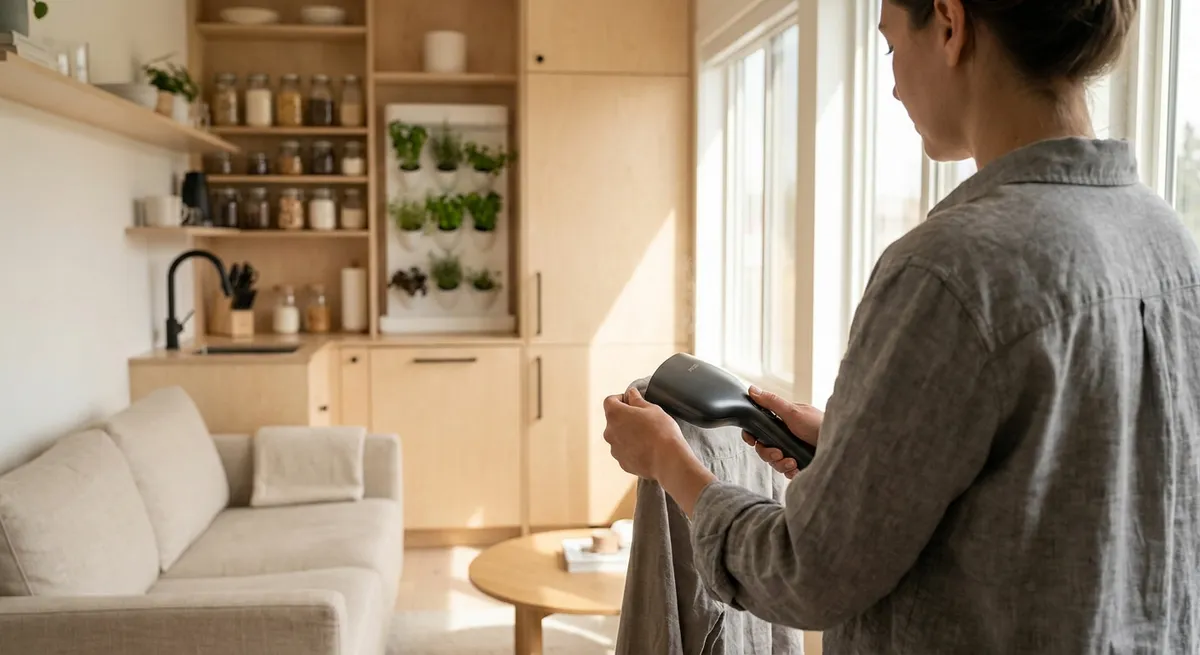
Extend the life of your textiles with small, routine care: airing out bedding, using garment shavers to refresh pilled fabric, and learning simple repairs like sewing loose seams or patching small tears. A visible repair can even become a design feature—think contrast stitching or a hand-mended corner that tells a story instead of signaling “time to toss.”
Water-Savvy Living That Still Feels Indulgent
Water-saving at home doesn’t have to feel like a downgrade. Modern fixtures and habits can cut usage significantly while still giving you spa-energy in the bathroom and a lush feel in the rest of your home.
Swapping to WaterSense-labeled fixtures (low-flow showerheads, faucets, and dual-flush toilets) can reduce water use without turning your shower into a sad drizzle. Today’s better-designed low-flow options focus on pressure and spray patterns, so the experience still feels luxe. Pair them with a few indulgent touches—like a eucalyptus shower bundle or a stone bath mat—and the sustainable choice becomes part of the ritual, not a compromise.
In the kitchen and laundry, small shifts add up: run dishwashers and washing machines only when full, choose eco or cold-water cycles, and spot-clean clothes between washes when possible. Over time, this not only saves water and energy, it also extends the life of your clothes and linens.
If you have any kind of outdoor space, even a balcony, consider water-smart greenery. Native or drought-tolerant plants typically need less watering and less maintenance, and they support local biodiversity. Use collected rainwater (where allowed) or leftover water from rinsing produce to hydrate potted plants. Group plants with similar water needs together so you don’t over- or under-water by accident.
The Quiet Edit: Digital Minimalism for a Lower-Impact Home
We don’t usually connect digital life with home sustainability, but it’s all part of the same ecosystem—energy use, visual noise, and mental bandwidth. A home that feels calm and intentional is more likely to be a home you take care of, repair, and maintain instead of constantly refreshing.
Start with your devices. Unplug or power down what you don’t use daily, and corral chargers and cables in one tidy “tech dock.” Choose power strips with switches so you can cut phantom energy use in one tap. When you upgrade devices, trade in, recycle, or donate the old ones instead of letting them pile up in a drawer.
Digitally, try a “once-a-season reset.” Clear duplicate photos, archive old files, and unsub from marketing emails that constantly tempt you into unnecessary purchases. Curate your feeds around creators and brands that align with your actual values: repair culture, vintage finds, slow interiors, local makers. The less you’re bombarded with fast-trend content, the easier it is to love and keep what you already have.
Finally, reframe entertainment at home: lower-impact doesn’t mean boring. Host low-key nights in with friends using what you already own—board games, playlists, home-cooked meals—rather than defaulting to energy-heavy or high-consumption activities. A home that’s designed to be lived in and enjoyed tends to stay loved longer, which is ultimately the most sustainable choice you can make.
Conclusion
Sustainable living at home doesn’t have to be an all-or-nothing identity shift. It’s a series of small but intentional decisions that add up: buying for the long-term, editing what you own, upgrading quietly smart fixtures, and choosing materials and habits that respect both your lifestyle and the planet.
The modern, low-waste home isn’t about perfection; it’s about alignment. When your space reflects what you actually value—comfort, beauty, ease, and responsibility—sustainability stops feeling like a rulebook and starts feeling like your default setting.
Sources
- U.S. Environmental Protection Agency – Sustainable Management of Materials - Overview of circular economy principles and why reusing and extending product life reduces environmental impact
- U.S. Environmental Protection Agency – WaterSense Program - Details on WaterSense-labeled fixtures and how they help save water at home
- U.S. Department of Energy – Energy Savers: Appliances & Electronics - Guidance on reducing energy use from everyday home devices and electronics
- Global Organic Textile Standard (GOTS) - Information on certified organic textiles and their environmental and health benefits
- Harvard T.H. Chan School of Public Health – Reducing Food Waste - Evidence-based strategies for cutting food waste in household kitchens
Key Takeaway
The most important thing to remember from this article is that this information can change how you think about Sustainable Living.