Your home shouldn’t feel like a static backdrop; it should move with you. Morning focus, late-night unwind, weekend hosting—each version of you needs a slightly different room. Instead of chasing big, expensive renovations, modern interiors are leaning into adaptable, tech-savvy, mood-aware ideas that quietly flex around your life.
These five living concepts aren’t about turning your place into a sci‑fi set. They’re subtle, design-first shifts that look good on camera, feel good in person, and make everyday living smoother.
1. Scene-Based Living: One Room, Multiple Personalities
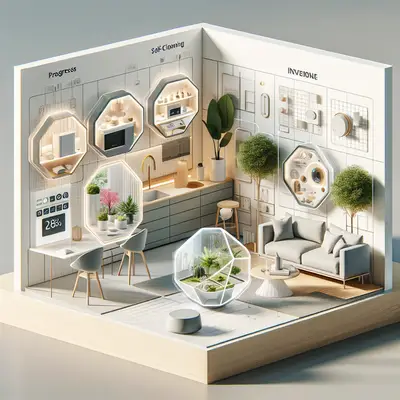
Old-school design treated each room as one fixed “look.” Scene-based living flips that. You design for different moments within the same space—work, recharge, host, stretch—not just for one static layout.
Start with layered lighting on separate circuits: overhead (general), wall or floor lamps (ambient), and focused task lights (reading, desk, kitchen prep). Pair dimmers with smart plugs or bulbs so you can tap or voice-activate “Work,” “Dinner,” “Movie,” or “Wind Down” scenes. Visually, keep a neutral core—walls, larger furniture—and let textiles and smaller pieces define each scene: a cozy throw and candle tray for evening mode, a clear table and task lamp for productivity mode, a sculptural ice bucket and statement vase for hosting mode.
The goal: your living room doesn’t look like a multipurpose room, but it behaves like one. Furniture on casters, nesting tables, and a slim console that doubles as a bar or desk give you fast, physical reconfigurations that match your digital “scenes.”
2. Hybrid Furniture: Design-Forward Pieces Doing Double Duty
Hybrid furniture has moved way beyond clunky sofa beds. Modern pieces are clean-lined, design-forward, and quietly multitasking in the background—ideal for smaller or open-plan homes.
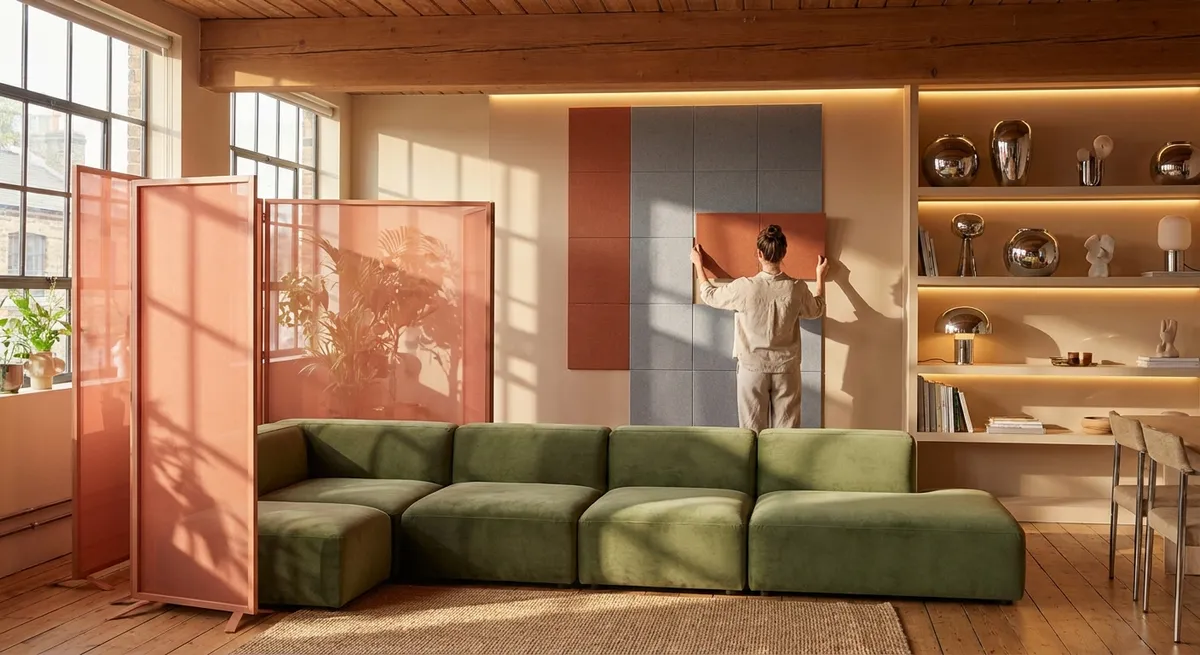
Think: a slim dining table that extends for entertaining but shrinks to a two-person work island during the week. Upholstered benches with hidden storage that look boutique, not bulky. Coffee tables that lift and pivot to become laptop-height workstations. In the bedroom, headboards with built-in shelves and integrated lighting free up precious floor space and reduce visual clutter from extra side tables and cords.
When choosing these pieces, prioritize form as much as function: consistent wood tones, a tight color palette, and simple silhouettes keep multifunctional items from shouting for attention. You’re aiming for the feeling of a deliberately styled space where everything just happens to work really hard behind the scenes.
3. Digital Light Therapy: Using Color Temperature Like a Design Tool
Lighting isn’t just about brightness anymore; it’s about temperature and timing. Our bodies respond differently to cool vs. warm light, and you can use that intentionally without turning your home into a rainbow.
In work zones, choose bulbs around 4000K–5000K for clear, energetic light that keeps you alert. In living and sleeping zones, dial things down to 2700K–3000K for a softer, candle-adjacent glow that signals your brain it’s time to unwind. Smart bulbs and tunable white fixtures make it easy to shift throughout the day—cooler, brighter in the morning; warmer and dimmer as night comes in.
Design-wise, hide the tech. Use diffusers, linen shades, and cove lighting so sources are subtle and the overall effect is what you feel, not what you see. Syncing your lighting rhythm with natural daylight not only supports sleep and focus, it also gives your space that “why does this room feel so good?” quality that’s incredibly photogenic and shareable.
4. Micro-Retreat Corners: Calm Zones in Plain Sight
Not every home can spare an entire room for wellness or reading, but nearly every home has a corner that can be elevated into a mini retreat. Instead of treating unused corners as plant graveyards or storage zones, turn one into a micro-sanctuary with a single clear purpose: reset.
Anchor it with one hero piece: a sculptural lounge chair, a floor cushion stack, or a small upholstered bench. Layer in a soft rug, a small side table, and one dedicated light source (a floor lamp or swing-arm wall sconce). Keep the palette in this corner slightly softer or more tonal than the rest of the room so it visually reads as a pause.
Add just a few tactile and sensory elements—a textured throw, a ceramic mug, a single favorite book or journal, maybe a small diffuser. This isn’t a styled shelf; it’s a ritual space. The key is visibility: you should see it from your main circulation path so you’re constantly reminded it exists and feel invited to use it for 10-minute resets.
5. Display With Intention: Curated Stories, Not Random Stuff
Minimalism is evolving from “own less” to “show less, but better.” Instead of covering surfaces with decor, think of your home as a gallery of micro-stories—each shelf or wall telling a specific narrative about you.
Choose one or two display zones per room: a console, a floating shelf stack, a single wall. Give everything else permission to stay clear. On those chosen surfaces, play with height, repetition, and negative space. A trio of similar vases in varying sizes, a cluster of books in one color palette, or a single oversized artwork can have more impact than ten small, unrelated objects.
Rotate pieces seasonally or when your life shifts—new trip, new hobby, new chapter. Storing decor in labeled bins or baskets makes it easy to “shop your own home” and refresh the look without constant buying. The visual effect is calmer, more grown, and more photogenic, and your home feels less like a storage unit and more like a thoughtful extension of your identity.
Conclusion
Modern interior design is less about matching sets and more about responsive spaces that flex with your actual life. Scene-based lighting, hybrid furniture, digital-friendly light temperature, micro-retreat corners, and intentional display zones all share one thing: they’re designed to shift with your day, not fight it.
You don’t need a full gut renovation to feel like your home just leveled up. Start with one room, one corner, or even just your lighting, then build from there. The most modern homes right now are the ones that don’t just look good in photos—they quietly upgrade how you live in them, hour by hour.
Sources
- Harvard Health Publishing – Blue light has a dark side – Explains how light exposure and color temperature influence sleep and circadian rhythms, relevant to using digital light intentionally at home.
- U.S. Department of Energy – Lighting Choices to Save You Money – Covers bulb types, efficiency, and color temperature basics that inform smart lighting choices in interior design.
- American Institute of Architects – Design for Aging in Place – Discusses adaptable, flexible design principles that overlap with scene-based and hybrid-space living.
- IKEA – Small Space Living Ideas – Real-world examples of multifunctional and hybrid furniture for compact homes.
- New York Times – The Benefits of a Clean, Uncluttered Home – Explores how intentional editing and less visible clutter can improve wellbeing and the feel of a space.
Key Takeaway
The most important thing to remember from this article is that this information can change how you think about Interior Design.