Your home shouldn’t just look “nice.” It should feel like the mood you want to live in every day—calm, focused, social, playful, whatever your version of “good” feels like. Modern interior design is shifting away from strict aesthetics and leaning hard into how spaces actually affect our energy, routines, and attention span.
Instead of copying yet another Pinterest-perfect living room, this is about building a home that quietly supports your life: your work, your sleep, your downtime, your people. Below are five innovative home-living ideas that put mood and lifestyle at the center of your design decisions—without turning your space into a gadget showroom or a sterile showroom.
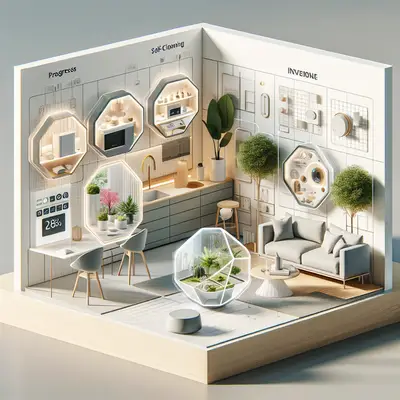
1. Zoning by Feel, Not by Floor Plan
Open layouts look great on listings, but in real life they can blur everything together: work, rest, eating, scrolling. Zoning by mood helps you mentally switch gears throughout the day, even in a small apartment.
Start by naming your zones based on how you want to feel: “Deep Focus,” “Soft Landing,” “Social Corner,” “Slow Morning.” Then design around those moods. A “Deep Focus” corner might be a compact desk, a supportive chair, warm but directional lighting, and zero visual clutter. A “Soft Landing” spot could be one oversized chair, a low lamp, a throw you actually use, and nothing in your line of sight that screams “to-do list.”
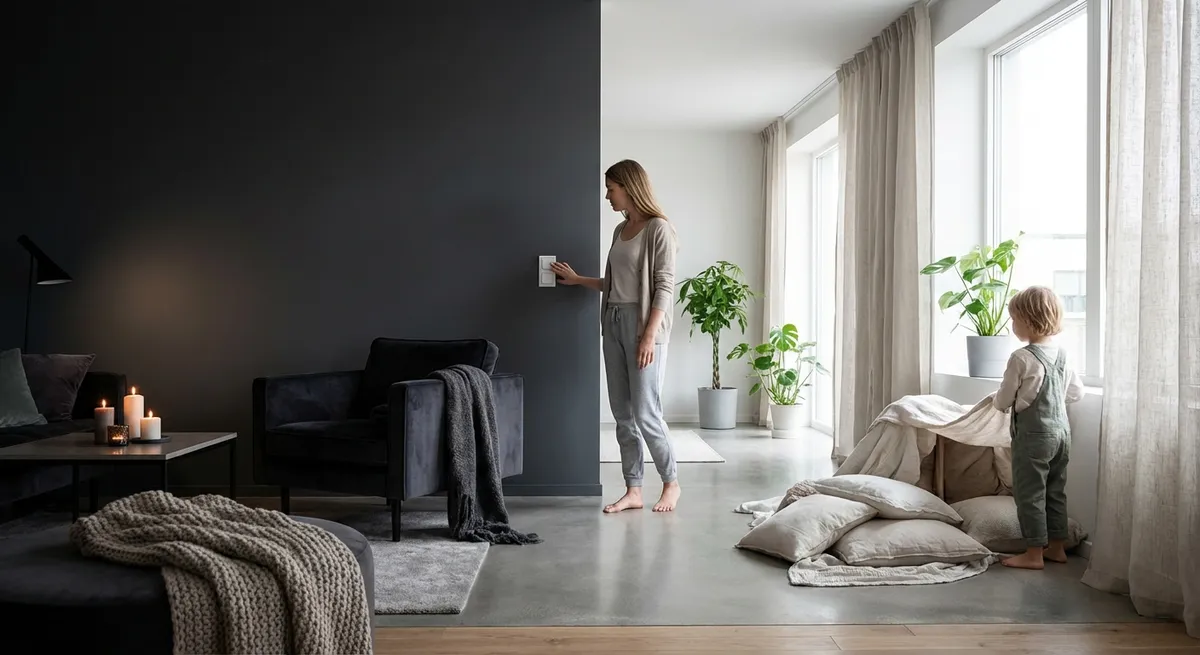
Use visual and tactile cues to separate zones instead of walls: a change in rug texture, a different wall color or finish, a low bookcase, or even a curtain or room divider that can move with your life. The goal isn’t perfection; it’s being able to sit down and have your brain understand instantly: this is where we rest, this is where we focus, this is where we connect.
2. Sensory Layering (Beyond Just How It Looks)
Most design inspo stops at “how it looks.” But what actually makes a room feel expensive, soothing, or memorable is the full sensory stack: sound, scent, texture, temperature, and light.
Think in layers:
- Sound: Add soft materials that absorb echo—rugs, curtains, wall hangings, upholstered furniture. If you live in a noisy area, even a bookshelf filled with books on an exterior wall can act as a sound buffer.
- Scent: Instead of one overpowering candle for the whole house, assign subtle scents to specific moods: herbal or citrus in work zones, soft woody or amber notes in evening spaces, fresh or airy scents near entryways.
- Texture: Mix a few distinct textures per room: linen, boucle, smooth wood, cool metal, matte ceramics. The contrast makes a space feel layered and intentional.
- Temperature: If you can’t control your whole HVAC system, use localized fixes: a heated throw near your reading chair, a fan with a nice silhouette by your workspace, thicker curtains in a drafty bedroom.
- Light: Mix overhead lighting with table lamps, floor lamps, sconces, and candles. Aim for at least three light sources in your main living space, each at different heights. Warm bulbs (around 2700K–3000K) tend to feel more relaxed and flattering.
Designing through all five senses takes a room from “pretty” to “I don’t want to leave.” It also quietly helps train your brain: certain combinations of light, scent, and sound become shorthand for either winding down or powering up.
3. Displaying Your Life, Not Just Your Stuff
Modern interiors are moving away from impersonal “magazine” spaces and toward homes that look like someone actually lives there—with stories, hobbies, and history. The trick is to curate, not clutter.
Start by picking a few categories of objects that genuinely represent you: books, records, travel finds, vintage glassware, handmade ceramics, or family photographs. Instead of spreading them everywhere, create a few intentional “story moments”:
- A low shelf styled with stacked books, a small plant, and one sculptural object you love
- A narrow picture ledge for rotating art, photos, and postcards
- A dedicated hook or stand where your favorite bag or hat lives like a design piece
- A tray on your coffee table that corrals remotes, a candle, a lighter, and one or two objects that make you happy
Edit ruthlessly. Not every sentimental object needs to be on display all the time—rotate seasonally or when your mood shifts. This keeps your space visually calm while still feeling unmistakably you, not like a furniture store showroom.
4. Flexible Furniture That Evolves With Your Week
Your life doesn’t look the same every day, so your furniture shouldn’t be locked into one configuration. Instead of designing for the rare “perfect” moment (the big dinner party, the deep-clean, the ideal morning routine), design for how your home can flex with real life.
Look for pieces that can shift roles:
- Lightweight lounge chairs that move between living area, dining table, and balcony
- Nesting tables that work as side tables on weekdays and a coffee table cluster when you’re hosting
- A bench that doubles as extra seating, a hallway landing spot, or the base of your bed
- Stools that can be nightstands, plant stands, or extra perches around a coffee table
Think of your layout as a “default mode” plus a couple of quick-change versions: movie night mode, hosting mode, deep-focus mode. You don’t need complicated systems—just pieces that are easy to slide, lift, or re-group without tools, drama, or breaking your back.
Flexibility is an underrated kind of luxury; it makes your home feel like it’s collaborating with you instead of working against you.
5. Light Rituals: Designing the Day From Wake-Up to Wind-Down
One of the most innovative shifts in modern home living isn’t a new material or a new device—it’s using light intentionally to support your body’s rhythm. Instead of one harsh overhead light and a random lamp, think of lighting as a 24-hour ritual.
In the morning, you want brightness that wakes you up gently. If you have windows, keep them as unobstructed as privacy allows and use light, breathable curtains. If your space is darker, place a lamp with a soft white bulb near where you have your first drink of the day—coffee, tea, water—so your brain associates that spot with “we’re up, we’re starting.”
During the day, prioritize layers: bright, indirect light in work zones and softer pools of light in rest zones. If you work from home, aim your main light source so it illuminates your workspace without glaring into your eyes or on your screen.
In the evening, dial everything down. Switch to warmer bulbs (or lamps on dimmers), avoid overhead lights when possible, and lean into floor and table lamps. Candles or flameless candles can add that last bit of glow that makes a room feel instantly more relaxed and intimate.
Over time, these light shifts act like a quiet schedule for your home: they signal to your body what’s happening—focus, connect, or unwind—without you needing to think about it.
Conclusion
Modern interior design isn’t about chasing trends or recreating a photo you saw online. It’s about translating how you want to live into materials, light, furniture, and tiny rituals that support your actual life.
When you zone by mood instead of just walls, layer all the senses, display your real story, choose flexible furniture, and design your day with light, your home stops being just a backdrop. It becomes a partner in how you work, rest, recover, and connect—with yourself and with the people you bring into your space.
Start small: one zone, one sensory upgrade, one lighting tweak. You’ll feel the shift long before anyone compliments your decor—and that’s the point.
Sources
- Harvard T.H. Chan School of Public Health – The Effects of Noise on Health - Discusses how sound and noise levels impact well-being, relevant to sound-conscious interior choices
- U.S. Department of Energy – Lighting Choices to Save You Money - Explains bulb types, color temperature, and how lighting affects comfort and function at home
- Sleep Foundation – How Light Affects Sleep - Covers circadian rhythms and why lighting design matters for morning and evening routines
- American Psychological Association – The Power of Place: How Spaces Shape Our Lives - Explores how physical environments influence mood, behavior, and mental health
- IKEA Life at Home Report - Ongoing research into how people actually live at home and what they value in modern domestic spaces
Key Takeaway
The most important thing to remember from this article is that this information can change how you think about Interior Design.