You don’t need a full-on “smart mansion” to live well with tech. What you do need is a home that quietly runs itself in the background while you get on with your life. The right upgrades aren’t about showing off gadgets—they’re about comfort, calm, and small moments that feel like a daily upgrade. These five ideas lean into that vibe: less fuss, more flow, and a home that feels curated, not cluttered.
Ambient Living: Lighting That Moves With Your Day
Static lighting is out; responsive light is in. Instead of one harsh ceiling light, imagine your whole space subtly shifting with your day—cool white in the morning when you need focus, then warming to soft amber as the sun goes down and your brain starts to unwind.
Smart bulbs and lighting systems let you build “light moods” that match your routines. Morning scene? Lights fade on slowly to mimic sunrise. Work mode? Brighter, cooler light in your office and soft, indirect light behind your screen. Night reset? A warm, low-glow path from the living room to the bedroom so you’re not blasted with brightness when you’re ready for sleep.
The magic is that once you set it up, you barely think about it again. Use sensors or schedules so lights turn on when you enter a room and dim automatically at night. Bonus: good lighting design can help support your circadian rhythm, so falling asleep and waking up actually feels easier—not like a daily battle with your alarm.
The Seamless Kitchen: Quietly Smart, Not Overengineered
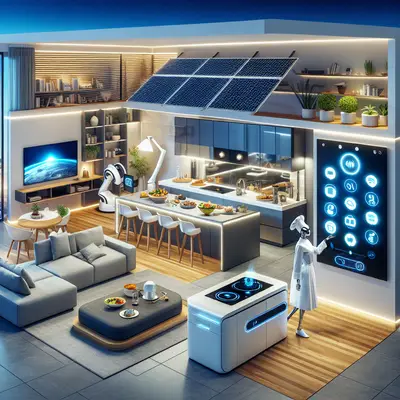
The modern kitchen doesn’t need a giant touchscreen on every surface to feel smart. What actually changes how you live are the low-key moves that make cooking and cleanup less of a production.
Think induction cooktops that heat fast and cool quickly, so the stovetop stays safer and your space doesn’t turn into a sauna. A smart oven that can preheat from your phone while you’re still on your way home. A fridge that sends an alert if the door is left open or the temperature rises—less drama, fewer food disasters.
Add layered tech in small ways: a filtered tap with a smart meter so you know when to change cartridges, under-cabinet lighting that turns on with a wave, an outlet strip built into an island to keep gadgets off your main counters. The goal isn’t a “futuristic” kitchen; it’s a kitchen that feels intuitive, calm, and always ready for real life—whether that’s a from-scratch dinner or takeout on pretty plates.
The New Entryway: Smart Threshold for Real Life
Your entry is where outside chaos meets inside calm—and tech can quietly run interference. A smart lock means no more frantic key searches at the bottom of a bag. You can let in guests or service pros from your phone, set one-time codes, and stop hiding keys under planters.
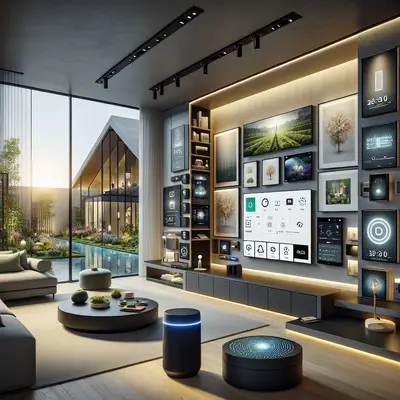
Pair that with a video doorbell so you can see who’s there without stopping what you’re doing. Add a slim smart console or small wall-mounted tablet by the door that becomes your “home dashboard”: check the weather before you leave, see if you closed the garage, glance at cameras, or tap your “leaving home” scene to turn off lights, lower blinds, and adjust the thermostat in one move.
Cap it with practical touches that feel luxe: a motion-activated light at the door so you’re never fumbling in the dark, a charging tray for your phone and earbuds as soon as you walk in, and a discreet smart speaker that can read out your next calendar event while you’re slipping on shoes. It’s the daily friction points—keys, lights, security—that this kind of setup quietly dissolves.
Home as a Digital Retreat: Sound, Screens, and Boundaries
Tech is everywhere, so the real flex is using it to protect your peace instead of stealing it. Start by rethinking how sound and screens show up in your home. A set of wireless speakers or a soundbar that works across rooms can turn any evening into a mini cinema night or a spa-level bath without juggling Bluetooth connections.
In lounges and bedrooms, choose TVs and displays that don’t dominate the space—think frames that show art when idle, or short-throw projectors that disappear when not in use. Add smart shades or blackout curtains in your bedroom that close with a single command or schedule, supporting deeper, more consistent sleep.
Then layer on digital boundaries: use your router or smart home app to set device downtime in bedrooms, or have your lights shift to warmer tones and your TV gently lower volume after a certain time. You’re still using tech—but in a way that signals rest, not more scrolling.
Effortless Efficiency: Invisible Systems That Lower Bills and Stress
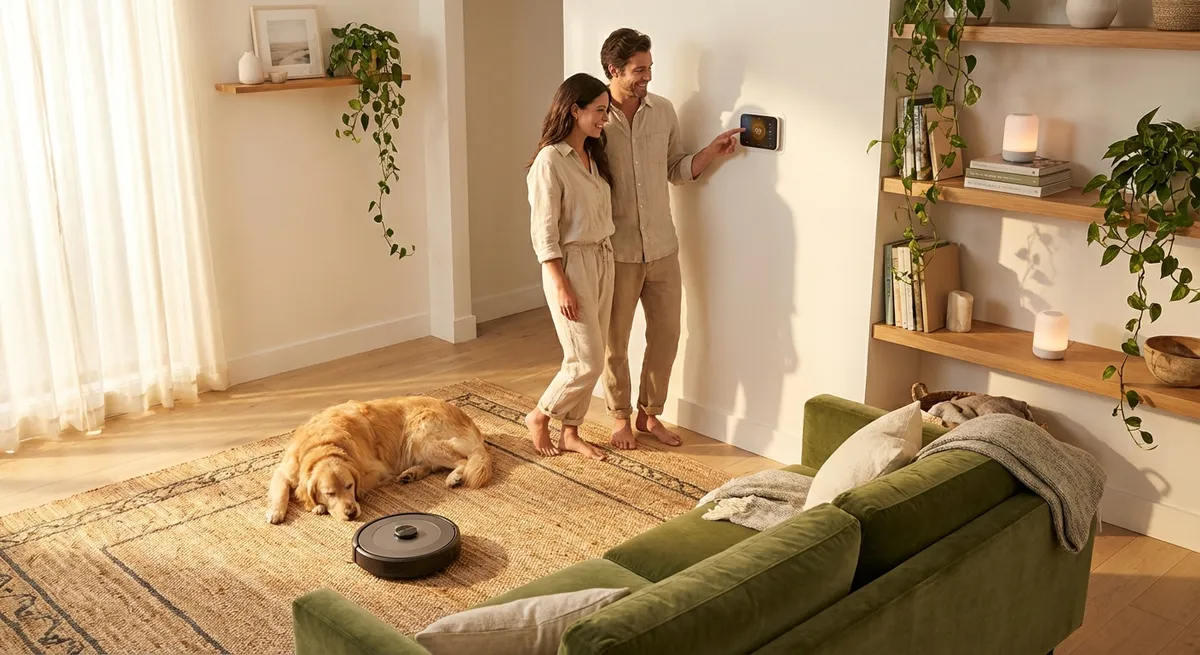
The best home tech often hides in plain sight. A smart thermostat quietly adjusts temperatures based on your schedule and habits, shaving down energy use while keeping your space comfortable. Over time, that can mean real savings and a lighter footprint without living in a sweater all winter.
Smart plugs and connected power strips let you cut “always-on” vampire power from devices you only use occasionally. Water leak sensors tucked under sinks or near the washing machine can alert you before a tiny drip becomes a huge issue. Connected smoke and CO detectors can ping your phone if something’s wrong while you’re out.
Tie it all together with automations: when you leave home, lights off, thermostat to eco mode, blinds partially closed; when you return, hallway lights turn on and your living room shifts to your favorite scene. Nothing flashy—just a home that quietly pays attention and looks after itself, so you don’t have to think about every tiny decision.
Conclusion
Home tech doesn’t have to scream “smart house” to feel elevated. When you focus on lighting that supports your day, kitchens that work on your level, entryways that smooth out comings and goings, digital retreats that protect your headspace, and behind-the-scenes systems that trim waste, you end up with a space that simply feels better to live in. The future of home isn’t about having more gadgets; it’s about a quieter kind of comfort that fits your life, your style, and your pace.
Sources
- U.S. Department of Energy – Lighting Choices to Save You Money - Overview of efficient lighting options and their impact on comfort and energy use
- ENERGY STAR – Smart Thermostats - Details on how smart thermostats reduce energy use and improve home efficiency
- Harvard Medical School – Blue light has a dark side - Explains how lighting affects circadian rhythms and sleep quality
- Consumer Reports – Smart Kitchen Appliances Buying Guide - Breakdown of which smart kitchen features are actually useful in daily life
- Federal Trade Commission – Home Security and Monitoring Systems - Guidance on choosing and using connected security devices like locks and cameras
Key Takeaway
The most important thing to remember from this article is that this information can change how you think about Home Tech.