If “smart home” still makes you think of clunky gadgets and glitchy apps, it’s time for an upgrade—mentally and literally. Today’s home tech isn’t about showing off the newest device; it’s about creating a space that runs smoother, feels calmer, and quietly adapts to how you actually live. Think: tech that respects your time, your energy bill, and your attention span.
Below are five innovative home living ideas that feel current, practical, and very shareable—but more importantly, liveable.
Adaptive Lighting That Follows Your Day (Not the Other Way Around)
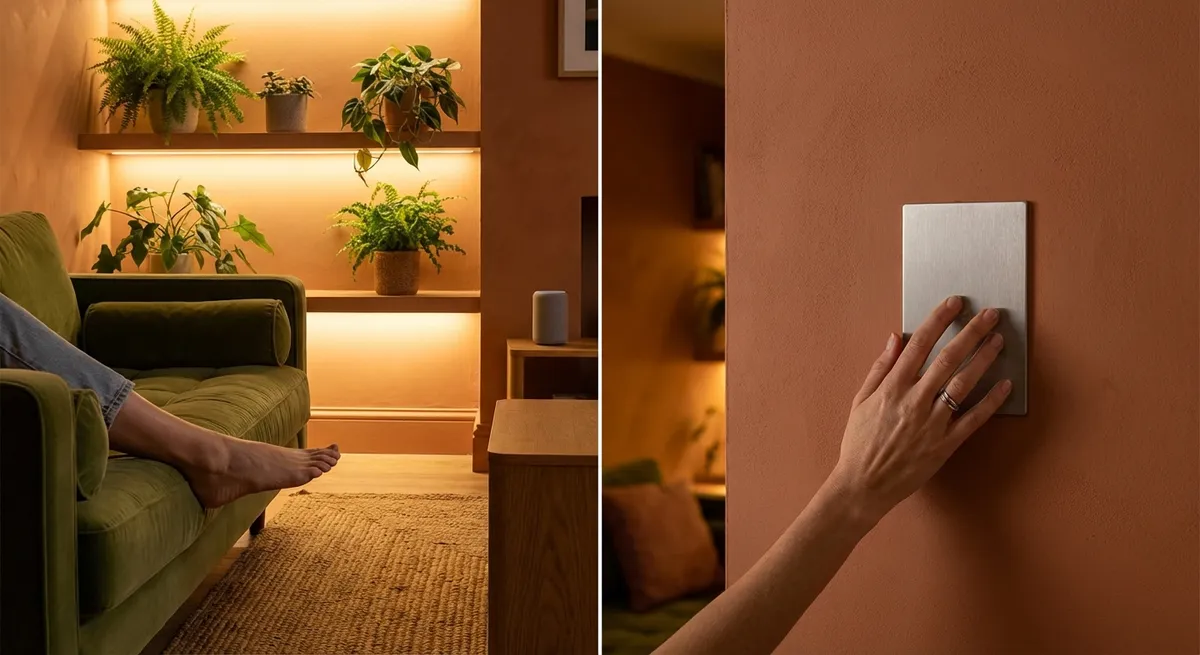
Lighting is the most underrated mood-setter in your home, and smart lighting has grown up far beyond “change the bulbs to purple.”
Modern adaptive lighting systems can:
- Shift color temperature throughout the day (cooler light in the morning, warmer in the evening) to better align with your circadian rhythm.
- Dim automatically at night to reduce blue light and help signal to your brain that it’s time to wind down.
- Link with motion sensors so hallways and bathrooms glow gently when you walk through at night—no harsh overheads at 2 a.m.
- Integrate with weather data, brightening on gloomy days and dialing back when there’s actual sunlight pouring in.
Practical move: Start with a few smart bulbs or switches in key spaces—bedroom, living room, kitchen. Set simple “morning” and “evening” scenes first before you go all in on automation. This is one of the fastest ways to make your home feel more considered without a full renovation.
Zoned Comfort: Smarter Climate Control for Real-Life Schedules
Heating and cooling used to be all-or-nothing. Now, zoning your comfort is where things get interesting—and efficient.
A modern climate setup can:
- Use smart thermostats and room sensors to heat or cool only the rooms you actually use.
- Learn your daily patterns (when you leave, when you return, when you sleep) and adjust automatically—no more “Did I turn the AC down?” panic.
- Tap into geofencing so your home starts adjusting the moment your phone is on its way back, not after you walk in.
- Highlight energy usage trends so you can tweak habits and lower your bill without guessing.
For older homes or rentals, consider smart vent systems or smart radiator valves that allow room-by-room control without ripping out existing infrastructure. The result: less waste, more comfort, and a home that feels like it’s paying attention.
Kitchen Tech That Actually Reduces Decision Fatigue
The smartest kitchen tech isn’t the gadget that does the most; it’s the one that quietly clears space in your brain.
Newer kitchen tools and systems can:
- Track what’s in your fridge and suggest recipes based on what’s about to expire, helping you cut down on food waste.
- Preheat your oven from your phone, so you can go from “out the door” to “dinner underway” in minutes.
- Use connected scales and induction cooktops to guide you through recipes with precision heat control—less stress, fewer burnt pans.
- Pair with grocery apps so your most-used staples get auto-added to your shopping list when they’re running low.
If you don’t want a screen on every surface, focus on a few key upgrades: a smart plug for your slow cooker, a connected oven or induction cooktop, and a solid recipe-and-pantry app combo. The goal is less chaos at 6 p.m., not more tech to babysit.
Seamless Home Audio for Work, Play, and Everything Between
Audio has quietly become the backbone of how we move through our spaces—from Zoom calls to playlists to podcasts while we cook.
A well-thought-out home audio setup can:
- Let you move from room to room with your music or podcast following you, instead of juggling devices.
- Double as a sound system for movie nights without a wall of visible speakers and cables.
- Support clearer calls and meetings with smart speakers or soundbars tuned for voice.
- Give you simple voice or app control—“kitchen only,” “whole home,” or “just the office”—depending on what you’re doing.
For a modern, minimalist vibe, look at in-ceiling or low-profile speakers combined with one or two smart hubs. Or, if you’re in a smaller space, strategically placed portable smart speakers can still create a surprisingly immersive multiroom effect.
Connected Wellness: Turning Your Home Into a Health-Forward Space
Wellness tech has moved past wearables and into the home itself, turning your space into an environment that supports you rather than drains you.
A wellness-focused home setup might include:
- Smart air purifiers and monitors that track particulates, humidity, and VOCs, then adjust filtration automatically.
- Lighting and blinds that sync to daylight patterns, nudging you toward better sleep and more natural light exposure during the day.
- Smart mats or sensors that gently track movement patterns for older family members, flagging unusual activity without feeling invasive.
- Connected fitness gear that makes workouts accessible from your living room, but also fits your space aesthetically—foldable equipment, discrete storage, and design-forward pieces.
Start with air quality and light—they have an outsized impact on how you feel. From there, layer in fitness or recovery tools that match your habits: smart yoga mats, compact connected bikes, or recovery devices that live in your bedroom instead of a dedicated gym.
Conclusion
The new wave of home tech isn’t about turning your space into a sci-fi set. It’s about removing friction from daily life, dialing up comfort, and letting your home quietly work in the background while you get on with actually living.
If you’re updating your space, think in terms of experiences rather than gadgets: better light, smoother routines, calmer kitchens, richer sound, and healthier air. Start small, test what genuinely makes your day easier, and build from there—your future self (and your energy bill) will notice.
Sources
- U.S. Department of Energy – Lighting Choices to Save You Money - Overview of efficient lighting and its impact on energy use and comfort
- ENERGY STAR – Smart Thermostats - Details on how connected thermostats improve efficiency and user comfort
- Harvard Health – Blue Light Has a Dark Side - Explains how light affects circadian rhythms and sleep quality
- EPA – Guide to Air Cleaners in the Home - Evidence-based guidance on air purifiers and indoor air quality
- BBC Future – How Smart Tech Could Transform Your Home - Broad look at emerging smart home technologies and lifestyle impacts
Key Takeaway
The most important thing to remember from this article is that this information can change how you think about Home Tech.