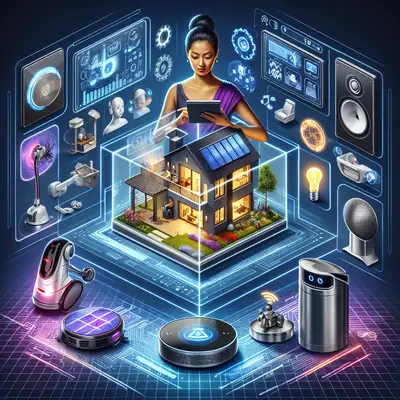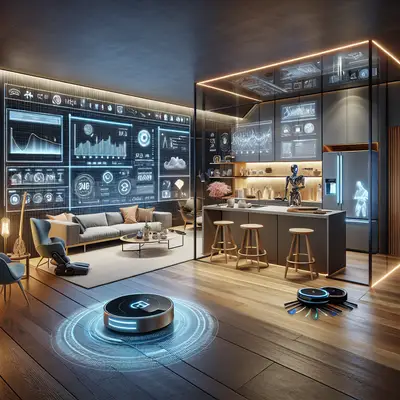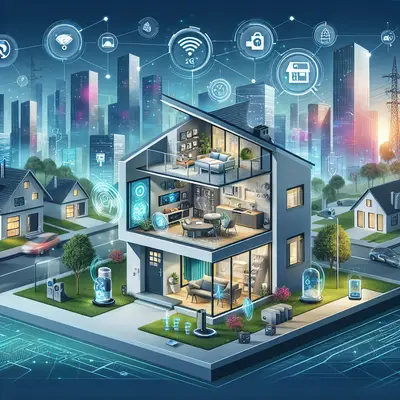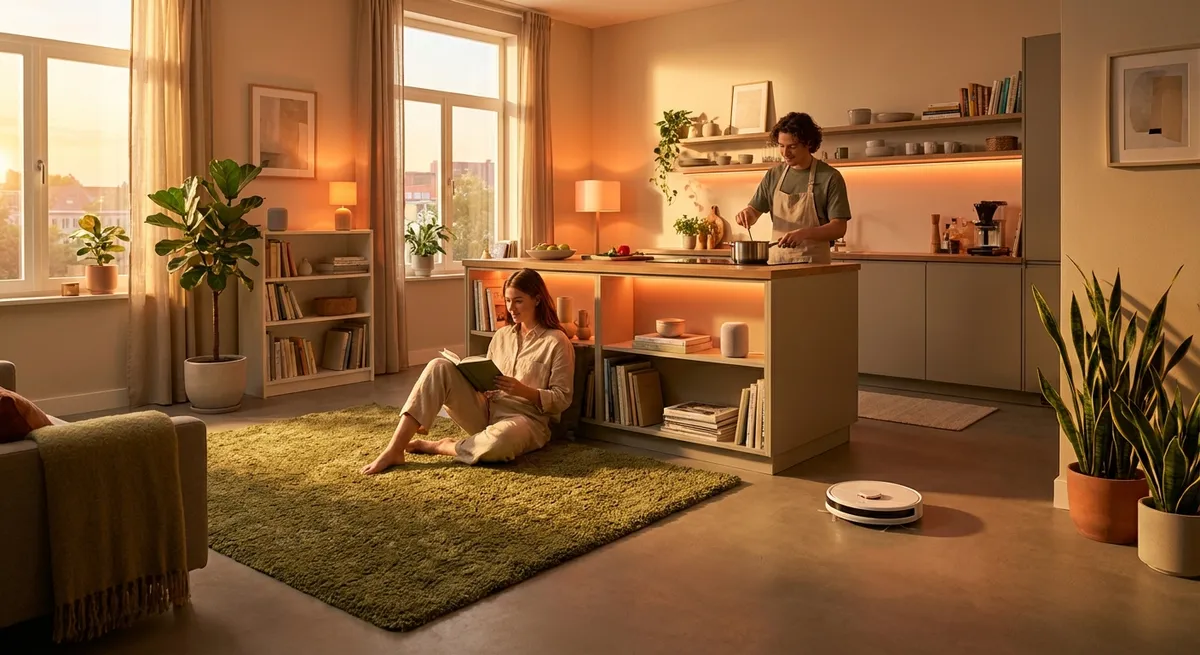
The smartest homes in 2025 don’t look like sci-fi movie sets. They feel calm, dialed-in, and quietly customized to how you actually live. Think: your lights already match your mood, your energy bill goes down without you trying, and your home low-key looks after itself in the background. If you’re smart-curious but not trying to turn your place into a tech showroom, these ideas are your blueprint.
Frictionless Mornings: Automations That Run Your Routine For You
Morning routines work better when they don’t rely on willpower. A smart home can turn the things you mean to do every day into “it just happens” moments. Instead of a million separate apps, set up simple automations that kick in based on time, motion, or sunrise.
Picture this: your bedroom lights slowly warm up 15 minutes before your alarm, your shades rise to bring in daylight, and your smart speaker reads the weather while your coffee machine starts brewing. No tapping, no scrolling—just walking into a morning that’s already in motion.
Tools like Matter-compatible hubs, smart plugs, and presence sensors let you connect older, non-smart items (like your favorite lamp or vintage espresso machine) into your routine. Start small with one “scene” (like “Good Morning” or “Arrive Home”) and layer from there. The goal isn’t to impress guests with tech; it’s to have your home quietly anticipate your next move.
Light That Acts Like a Mood Board (And a Sleep Coach)
Lighting is the fastest way to change how your home feels—and smart lighting takes that vibe-setting to another level. With tunable LED bulbs and smart switches, your lighting can shift color temperature throughout the day: cooler and brighter when you’re working, warmer and softer when you’re winding down.
In your living room, you might have a “Movie Night” scene that dims everything to 20% with amber-toned light, plus a “Focus” scene that floods your desk area with crisp white light when you need to get things done. In the bedroom, circadian routines can slowly lower brightness and warmth in the evening, signaling to your brain that it’s time to chill, not scroll.
Smart strips behind TVs or headboards, kitchen under-cabinet lighting on motion sensors, and pathway lights that come on at 2 a.m. for late-night water runs all add function without feeling like a tech lab. The vibe: elevated boutique hotel, not big-box electronics aisle.
Zoned Comfort: Cooling, Heating, and Air Quality With Intention
Smart climate isn’t just about the thermostat on the wall anymore. Modern setups think in “zones”—bedroom, living area, home office—and treat them differently depending on time of day and who’s actually home. That’s where smart thermostats, radiator valves, minisplits, fans, and air purifiers can all work together.
A smart thermostat can learn your patterns and pre-heat or pre-cool your home before you wake up or get back from work. In the home office, a smart plug on a fan can turn on automatically once the room hits a certain temperature. Air purifiers can ramp up on high-pollen days or when outdoor air quality drops, without you checking an app every hour.
Extras like smart blinds that close during peak sun to reduce heat, or open on winter mornings to capture natural warmth, quietly support both comfort and energy savings. The result is a home that feels better to be in—and a utility bill that looks a little less painful—without you micromanaging the thermostat every few hours.
Invisible Safety Net: Subtle Security That Doesn’t Feel Like a Fortress
Home security has moved beyond bulky cameras and loud alarms. The new wave is more about “peace of mind” than “panic mode.” Modern homeowners are leaning into low-profile systems that blend into the home and give useful context—what’s happening, who’s there, what’s open—without turning your place into a surveillance bunker.
Think door sensors that send a gentle alert if you left the back door open, smart locks that auto-lock at night and let guests in with temporary codes, and doorbells that give you a quick view of deliveries without pulling out a laptop. Indoor cameras with privacy shutters and clear LED indicators can balance safety with a sense of boundaries.
You can go even softer with non-camera sensors: water leak detectors under sinks and near washing machines, smoke and CO detectors that notify your phone, and presence detection that turns on a porch light if someone approaches after dark. Your home becomes less “paranoid security system” and more “quietly attentive neighbor” that’s always paying attention, even when you’re not.
Low-Maintenance Luxe: Let Tech Do the Boring Housework
The most underrated flex of a smart home is that it takes annoying tasks off your plate so you can focus on the parts of home life you actually enjoy. Robot vacuums, smart lawn sprinklers, and connected appliances don’t exist to show off—they exist so you don’t have to think about them.
A robot vacuum can run while you’re out, mapping your space and avoiding no-go zones (like pet bowls or cable-heavy corners). A smart sprinkler system can skip watering if it rained that morning, saving both money and water. Washers can notify your phone when a cycle is done so you’re not rewashing the same load three times because you forgot it in the drum.
Even small things stack up into a big lifestyle upgrade: a smart fridge that alerts you if the door’s open, a dishwasher that runs on off-peak energy hours, or a pantry with smart labels that track expiration dates. None of this has to feel intense or techy. It just quietly reduces mental load—fewer “Did I…?” moments, more space to actually enjoy being home.
Conclusion
Smart living isn’t about filling your space with gadgets; it’s about editing your life so your home does more of the heavy lifting for you. When your lighting matches your mood, your climate adjusts with the weather, your security feels calm instead of intense, and the boring chores mostly run themselves, your home starts to feel like a partner—not a project.
Start with one area that feels the most chaotic—mornings, cleaning, or comfort—and add just enough tech to solve that pain point. The smartest homes grow slowly and intentionally, until one day you realize: your space is working just as hard for you as you’ve been working for it.
Sources
- U.S. Department of Energy – Smart Home and Connected Devices - Overview of how smart devices can improve comfort and efficiency at home
- EPA – Indoor Air Quality Overview - Guidance on managing indoor air quality and why smart air solutions matter
- Mayo Clinic – Sleep and Light Exposure - Explains how light affects circadian rhythms and sleep quality
- Consumer Reports – Smart Thermostat Buying Guide - Independent testing and advice on smart climate control
- FTC – Using Home Security Cameras Safely - Best practices for privacy and safety with connected security devices
Key Takeaway
The most important thing to remember from this article is that this information can change how you think about Smart Homes.