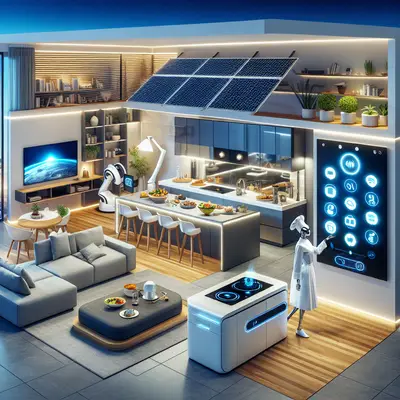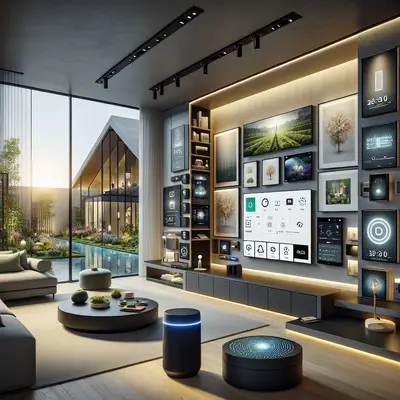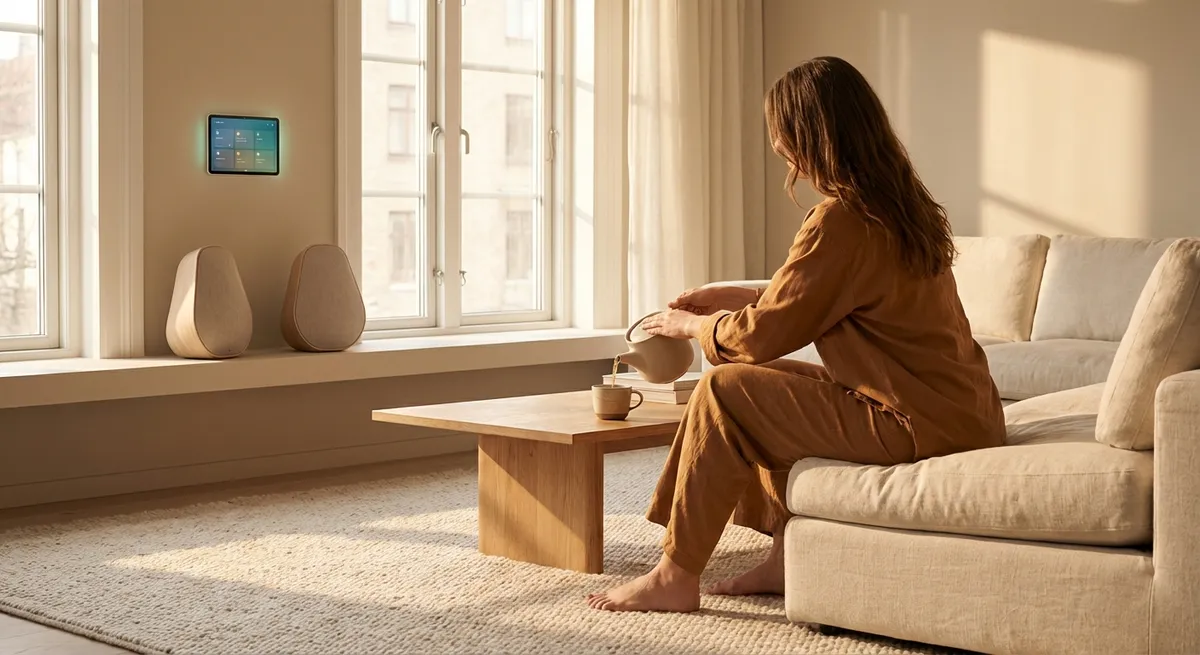
Your home doesn’t need to look like a gadget showroom to feel seriously elevated. The most interesting home tech right now isn’t loud or flashy—it’s the kind that quietly upgrades your daily rhythm: better mornings, calmer evenings, easier hosting, and lighter mental load.
Think: hotel-level comfort, boutique-style details, and systems in the background doing the heavy lifting. Here’s how tech-savvy homeowners are building homes that feel curated, not complicated—with five ideas that actually fit real life.
Sensor-First Spaces: Rooms That Respond To You
The new luxury isn’t an app for everything; it’s a home that simply reacts when you walk in.
Discreet motion and presence sensors can nudge your home into “on” mode without you thinking about it. Imagine your hallway lights softly guiding you to the kitchen at 6 a.m., bathroom mirrors warming up when you step in, and your favorite playlist fading in as you enter the living room—all triggered by how you move, not what you tap. Connected sensors can also tell when a room is empty and dial down heating, cooling, and lighting automatically, cutting energy waste without constant micromanaging.
In a work-from-home world, presence detection is surprisingly powerful: your office could go into “focus scene” when you sit at your desk—desk lamp on, overhead lights toned down, notifications muted on a smart speaker. In the evening, the same space can shift into “wind-down scene” with warmer lighting and ambient sound when it senses inactivity near your laptop. The goal isn’t a hyper-automated house; it’s a space that quietly keeps up with you so you can stop thinking about switches and settings altogether.
Zoned Comfort: Personal Micro‑Climates In One Home
Everyone has that one room that’s always too hot or too cold—and usually that one person who’s never the same temperature as anyone else. Zoned climate control is how design‑forward homes are solving both.
Modern smart thermostats, connected vents, and room-level temperature sensors make it possible to treat your home less like one big box and more like a collection of mini “comfort pockets.” The bedroom stays cooler for better sleep, the bathroom gets a warm-up before your morning shower, and the home office holds a steady temperature during video calls without overheating the rest of the house. Instead of cranking the whole system up or down, the tech subtly balances airflow and schedules room by room.
Layer in smart shades and glass, and your climate zoning becomes even more seamless. Automated blinds can trace the sun’s path, dropping just enough to reduce glare on your laptop while keeping natural light, or closing fully in late afternoon to stop heat gain. The result is less “why is the A/C blasting?” and more of a barely-noticeable, always-comfortable baseline that saves on bills without feeling like you’re “trying to save on bills.”
The Hidden Kitchen: Tech That Disappears Into the Design
The most modern kitchens feel less “appliance wall” and more “designed space you happen to cook in.” Tech is still there—it’s just integrated so well it almost feels like part of the millwork.
Induction cooktops that blend flush with countertops keep things visually calm and are easier to clean, while smart ovens can quietly preheat based on your calendar (yes, your Thursday night roast chicken reminder can literally warm the oven for you). Compact, app-connected dishwashers and fridges now track energy usage and maintenance, warning you before something fails on a busy weekend. Even range hoods are evolving, with downdraft ventilation tucked into counters or ceiling-integrated systems that avoid breaking up sightlines in open-plan spaces.
The behind-the-scenes tech is where the real lifestyle upgrade happens. Think: fridge cameras that let you check what you’re out of from the grocery store, taps that dispense exact measurements for recipes, or under-cabinet lighting that brightens as you cook and dims when you’re done. The vibe is less “gadget kitchen” and more “restaurant-level function with gallery-level calm”—perfect for people who love to host but hate visual clutter.
Immersive Soundscapes: Curated Audio For Every Corner
If lighting sets the mood, sound locks it in. Modern homes are moving past one big speaker in the living room to subtle audio layers woven throughout the space.
In-ceiling or wall-integrated speakers can disappear visually while creating a consistent audio experience as you move from room to room. Your morning might start with low-volume news in the kitchen, a guided meditation in the bedroom, and a soft playlist in the bathroom—without juggling three different devices. These systems can sync with routines: “Arrive home” triggers a calm playlist, “Dinner” bumps up the volume in the kitchen and dining area only, while “Night” shifts to white noise in kids’ rooms and silence elsewhere.
For movie nights or gaming, soundbars with upward-firing speakers and wireless subwoofers deliver immersive audio without the tangle of traditional home theater setups. Outdoors, weather-resistant speakers can fade into landscaping or architectural elements, extending your living room ambience onto patios and decks. The tech here is less about showing off volume and more about curating the emotional backdrop of your day—focused, social, or restorative—room by room.
Wellness-Driven Air, Water, and Light: Subtle Health Tech At Home
Wellness tech is moving far beyond fitness trackers—and the most future-facing homes are baking it right into the architecture.
Air quality monitors can now track particulates, humidity, and even volatile organic compounds (VOCs), quietly adjusting purifiers or ventilation systems when levels spike from cooking, cleaning products, or outdoor pollution. Paired with smart HVAC filters, your home can maintain cleaner air with minimal input from you. Water filtration systems with sensors and app monitoring give you data on usage and filter life, so you’re not guessing when to replace cartridges—ideal if you’re trying to drink more water or cut down on bottled options.
Lighting is gaining a wellness upgrade too. Human-centric lighting systems can gently mimic daylight patterns, using cooler tones in the morning for alertness and warmer tones in the evening to support better sleep. Imagine your home subtly dimming and warming after sunset, nudging your body to wind down without you even thinking about screen exposure or bedtime routines. Add in gentle wake-up scenes that lift light slowly instead of a blaring alarm, and your home starts to feel less like a machine and more like a supportive environment for your body clock.
Conclusion
Home tech doesn’t have to scream for attention to change the way you live. The new wave is almost invisible—sensors watching out for you, climate systems tuning the background, kitchens that work harder than they look, sound that shapes mood, and quiet wellness layers baked into your air, water, and light.
The goal isn’t a “smart home” you have to manage; it’s a responsive home that feels calm, personal, and just a bit like your favorite boutique hotel—only tailored to your actual life, not a curated weekend away.
Sources
- U.S. Department of Energy – Smart Home & Building Technologies - Overview of how connected devices improve comfort and efficiency in homes
- ENERGY STAR – Smart Thermostats - Details on the benefits and energy savings of smart and zoned climate control
- Harvard T.H. Chan School of Public Health – Homes for Health - Research-backed guidance on indoor air quality, lighting, and wellness in residential spaces
- Mayo Clinic – Light and Your Sleep - Explains how light exposure and color temperature influence sleep and circadian rhythms
- Consumer Reports – Smart Kitchen Appliances Guide - Independent review of how smart kitchen tech impacts convenience and daily use
Key Takeaway
The most important thing to remember from this article is that this information can change how you think about Home Tech.