The best home tech in 2026 doesn’t scream “look at me.” It blends in, backs you up, and makes your space feel more like you—not like a showroom full of gadgets. Think soft automation, invisible upgrades, and tools that actually support how you live, work, recharge, and host.
These five ideas are for modern homeowners who want their home to feel smarter, calmer, and more intentional—without turning their living room into a server room.
1. The “Soft Reset” Morning: Lights, Sound, and Air Doing the Heavy Lifting
Instead of waking up to a harsh alarm and a bright phone screen, build a morning environment that nudges you awake gently.
Smart bulbs with tunable white light can simulate sunrise before your alarm, gradually shifting from warm amber to clear daylight tones. Paired with a smart shade system, your blinds can crack open just enough to let in real sunlight while still protecting your privacy. You can add a low-volume playlist or nature sounds via a smart speaker that syncs with your wake-up time so you’re not scrambling to hit snooze in the dark.
Layer in air quality: a quiet, app-connected air purifier can kick on before you wake, so your bedroom doesn’t feel stuffy. If you’re into data, you can monitor air quality and humidity to figure out what settings actually help you feel more rested.
The vibe: less “alarm clock panic,” more “hotel suite wake-up that happens to be at your house.”
2. Kitchen, But Make It Studio-Level Smart
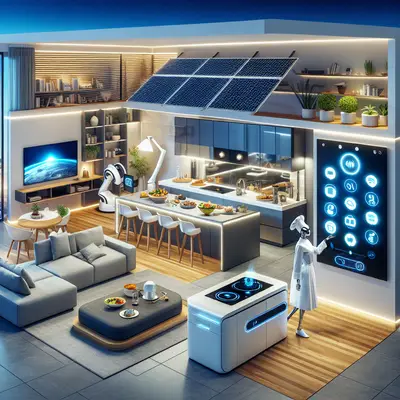
The modern kitchen is less about having the most expensive appliances and more about how seamlessly everything works together while you cook, snack, and host.
Smart induction cooktops heat quickly, stay cooler to the touch, and can integrate timers and safety shut-offs—perfect for people who get distracted mid-scroll. Connected ovens can preheat while you’re on your way home or suggest default settings for common recipes, so you’re not guessing which rack or temperature is best. Some models even use cameras to monitor food, reducing the “open door every three minutes” habit.
Then there’s the supporting cast: a smart faucet that turns on with a tap of your wrist when your hands are messy, a connected fridge that lets you peek inside from your phone when you’re at the store, or under-cabinet lighting that shifts from bright task mode when you’re cooking to a soft glow for late-night tea.
The goal isn’t a hyper-futuristic kitchen—it’s a space that feels responsive and intuitive, like it already knows your cooking style and weakness for midnight snacks.
3. Zoned Comfort: Micro-Climates For How You Actually Live
Central heating and cooling used to be all or nothing: one temperature for the entire home, regardless of how people actually use the space. Zoned comfort flips that.
Smart thermostats combined with room sensors and smart vents can fine-tune temperatures per zone or even per room. Your bedroom can run a little cooler for sleep, your home office can stay slightly warmer during the day, and lesser-used spaces can sit at an eco-friendly baseline until motion is detected. If you live with roommates or family, this minimizes the classic “why did you touch the thermostat?” argument.
Add heated floors or smart radiators in specific rooms where comfort really matters—like the bathroom or reading nook—and suddenly your home feels customized without blasting the whole place with energy.
The bonus: data from your system can help you understand which rooms are energy drains and where insulation or window upgrades might give you the most bang for your buck.
4. The Mood Layer: Sound, Scent, and Light Working in Sync
Once you’ve nailed the basics, the fun starts with what you might call “vibe tech”—subtle systems that shape how your home feels in the moment.
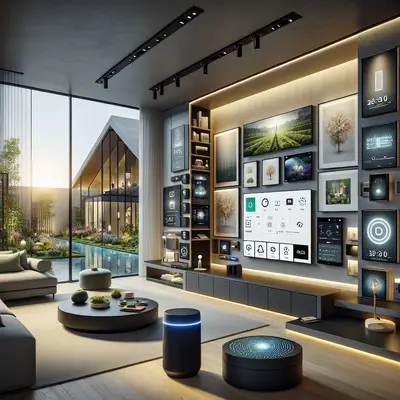
Multi-room audio lets you stream the same playlist throughout your space or create zones: upbeat in the kitchen, calm in the bedroom, neutral in the office. Smart speakers and soundbars can double as TV audio, white noise machines, or guided meditation hubs, depending on what you need that day.
Smart lighting scenes add another layer: a “focus” scene with cooler, brighter light at your desk; a “dinner” scene that pulls everything down to warm, dim tones; a “wind down” setting that gradually lowers brightness an hour before bed. Add in a smart diffuser that can gently release scent on a schedule—citrus in the morning, cedarwood at night—and you get an almost hotel-level experience without leaving home.
This isn’t about over-engineering your life. It’s about creating a flexible moodboard for your space that changes as easily as your playlist.
5. Layered Security That Still Feels Welcoming
Home security used to feel either too intense or too bare-minimum. Now, it can be layered, discreet, and guest-friendly while still giving you peace of mind.
Start with a smart door lock that lets you create digital keys for family, dog walkers, cleaners, or guests—each with custom access times. Combine that with a video doorbell so you can see who’s at your front door, talk to delivery drivers, and keep an eye on packages without feeling glued to your windows.
Indoor security cameras can be focused on key areas (like entryways or garages) and many now offer privacy shutters or modes, so you’re not being watched 24/7. Environmental sensors—monitoring things like smoke, carbon monoxide, or water leaks—are a quiet but powerful layer that protects your home in a less obvious way.
The best setups are the ones that melt into your routine: lights that turn on when you arrive, doors that lock automatically at night, alerts that only ping you when something actually matters.
Conclusion
Home tech isn’t about collecting gadgets; it’s about curating systems that quietly support the way you live. When your mornings feel softer, your kitchen works smarter, your comfort is zoned, your mood is intentional, and your security feels reassuring—not paranoid—you get a home that’s both modern and deeply livable.
Start small: one room, one routine, one pain point. Then build from there. The smartest home is the one that feels effortless because it’s tailored to you, not to a spec sheet.
Sources
- U.S. Department of Energy – Thermostats and Control Systems – Overview of how smart thermostats and zoning can improve comfort and efficiency
- Mayo Clinic – Light Therapy – Explains how light exposure affects mood and sleep, relevant for smart lighting routines
- Harvard T.H. Chan School of Public Health – Indoor Air Quality – Discusses health impacts of indoor air and the role of filtration and ventilation
- Consumer Reports – Smart Kitchen Appliances Buying Guide – Independent breakdown of what connected kitchen tech is actually useful
- Federal Trade Commission – Online Security Tips for Smart Devices – Guidance on securing smart home devices and protecting privacy
Key Takeaway
The most important thing to remember from this article is that this information can change how you think about Home Tech.