Smart homes don’t have to feel like gadget museums. The most interesting tech right now isn’t shouting for attention—it’s quietly reshaping how we cook, sleep, host, and unwind. Think less “robot takeover,” more “my home just… gets me.”
Below are five innovative home living ideas that feel modern, livable, and share-worthy—without turning your space into a blinking server room.
Sensor-Led Living: Rooms That React Before You Do
The new luxury isn’t a bigger space; it’s a space that responds to you in real time.
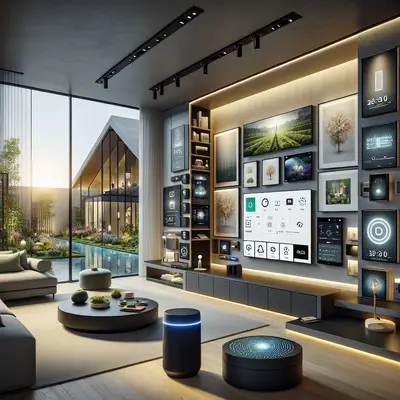
Discreet sensors tucked into ceilings, walls, and furniture can now read the room—literally. Motion, light levels, humidity, air quality, even how often a door opens can all feed into simple automations that make daily life smoother. Walk into the hallway at 2 a.m. and low, warm lighting fades on instead of blinding overhead beams. Leave for work, and your home knows no one’s around: lights off, doors checked, thermostat set to energy-save mode.
Modern homeowners are using sensor-driven setups for more than convenience. Air-quality sensors can trigger fans or purifiers when cooking or during allergy season. Leak sensors near washing machines, sinks, and water heaters can ping your phone before a small drip becomes a major insurance claim. Paired with a minimalist app or voice assistant, the result feels less like “more tech” and more like a home that quietly keeps an eye on the details you don’t want to think about.
Bottom line: the smartest move right now is “invisible tech” that works in the background while your space still looks like a home, not a lab.
Kitchen 2.0: Connected Cooking That Actually Makes Sense
The kitchen is quietly becoming the most high-tech room in the house—and not just for show-off appliances.
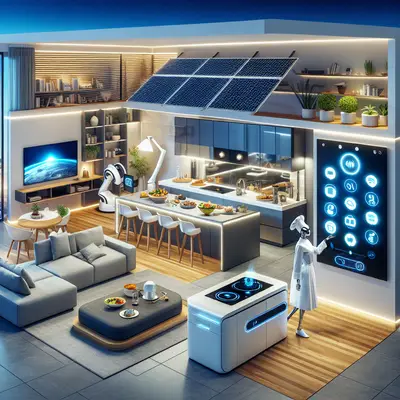
Connected ovens can now recognize common foods, suggest cooking modes, and send alerts when dinner is almost done. Smart induction cooktops pair with cookware and recipes to guide you through precise temperatures and timings. Refrigerators track what’s inside, help you cut food waste, and can suggest recipe ideas when you’re staring at that mismatched trio of ingredients on a Tuesday night.
What makes this wave of kitchen tech different is that it’s starting to respect your actual lifestyle. Don’t have time to babysit a roast? Slow cookers, air fryers, and multicookers with Wi‑Fi control let you tweak temperatures or extend cooking time from your phone if your commute runs late. Prefer to host but hate the prep chaos? Smart dishwashers and ovens can be scheduled to run off-peak, keeping your kitchen calm when guests arrive.
For design-focused homeowners, the best part is that a lot of these upgrades now come in clean, handleless, or panel-ready finishes. You get a sleek, gallery-like kitchen that still runs like a tiny, efficient restaurant behind the scenes.
The Home Wellness Loop: Sleep, Light, and Air Working Together
Wellness at home used to mean a scented candle and maybe a yoga mat. Now, it’s a quiet network of tech that supports how you sleep, breathe, and recover.
Start with circadian lighting: smart bulbs and fixtures can warm up at night and brighten to daylight tones in the morning, mirroring natural light patterns. This shift helps regulate your internal clock, which can improve sleep, focus, and mood. Add in sleep tech—mattresses or pads that track heart rate, movement, and temperature—and your bedroom becomes a feedback loop for better rest instead of just a place to crash.
Air quality is another big one. Connected purifiers, smart vents, and HVAC systems now measure particulate matter, pollen, and CO₂, then auto-adjust to keep things balanced. Some systems crack a window (literally, via window actuators) or ramp up filtration during cooking or when multiple people are in a room.
The modern angle here: wellness tech doesn’t have to be obvious. You can hide sensors behind art, use downlights instead of colorful LED strips, and tuck purifiers into built-ins. Your home ends up feeling like a retreat, not a gym.
Hosting on Autopilot: Effortless Guest-Ready Homes
Entertaining used to mean a frantic 60 minutes before people ring the bell. Now, a smart, guest-ready home can handle half the checklist for you.
Scene-based controls are the secret weapon: tap “Guests” on a wall keypad or in an app and the house responds as a single mood. Lights shift to flattery mode (no harsh overheads), your go-to playlist starts at conversation volume, and the thermostat nudges to a comfortable, crowd-friendly setting. Outdoor lighting can fade on as the sun sets so your deck or balcony feels like a designed extension of your living room.
If you host overnight guests, smart locks with temporary codes are a game changer—no spare keys or awkward “text me when you’re close” handoff. Connected blinds can open slowly in the morning, and a smart coffee maker can start brewing at a set time so your kitchen feels like a boutique stay.
For frequent hosts and social households, this style of tech is less about showing off and more about offloading the mental to-do list. Your home quietly runs in the background while you actually enjoy your own party.
Adaptive Comfort: Climate Control That Learns Your Rhythm
Thermostats have come a long way from the little plastic box on the wall that everyone argues over.
Modern climate systems learn your schedule, understand your home’s insulation and sun exposure, and adjust in real time. Instead of setting a single temperature for the whole house, zoned systems let you keep bedrooms cooler at night, the home office comfortable during work hours, and rarely used spaces at an efficient baseline.
Pair that with smart shades or blinds, and the system gets even more intelligent. Blinds can close automatically during the hottest part of the day to cut cooling costs, then open in winter to invite passive solar warmth. Windows can be fitted with subtle sensors to pause heating or cooling when they’re open, so you’re not literally throwing money out the window.
The lifestyle upside: comfort feels more tailored, less mechanical. Your home can be cozy when you walk in from a winter commute or quietly cool down the bedroom before you get into bed, without you tapping a single button.
Conclusion
The most interesting home tech right now isn’t about having the most gadgets—it’s about creating a home that pays attention. Sensor-led spaces, connected kitchens, wellness-focused lighting and air, effortless hosting setups, and adaptive climate systems are all ways to make your home feel more responsive, more supportive, and more “you.”
If you’re upgrading, start small but think in layers: one room, one routine, one daily friction point you want to smooth out. Let the tech fade into the background and let the lifestyle upgrade take center stage.
Sources
- U.S. Department of Energy – Smart Home and Smart Grid - Overview of how smart home technologies interact with energy use and the broader grid
- Harvard T.H. Chan School of Public Health – The Effects of Indoor Air Pollution on Health - Background on why indoor air quality and filtration matter in modern homes
- National Institute of General Medical Sciences – Circadian Rhythms Fact Sheet - Explains how light and daily rhythms impact sleep, mood, and wellness
- Consumer Reports – Guide to Smart Appliances - Independent insight on connected kitchen appliances and what features are actually useful
- U.S. Environmental Protection Agency – Energy Efficiency at Home - Practical information on energy-saving strategies like smart thermostats and efficient climate control
Key Takeaway
The most important thing to remember from this article is that this information can change how you think about Home Tech.