Your home doesn’t need to look like a sci‑fi movie to feel next‑gen. The most interesting tech right now isn’t the flashy stuff—it’s the quiet, clever upgrades that make daily life smoother, more personal, and a lot more “you.”
These five ideas live in that sweet spot: design‑forward, lifestyle‑driven, and smart in ways you actually use.
Adaptive Lighting That Moves With Your Day
Forget the one‑bulb‑fits‑all approach. Adaptive lighting is about matching your home’s energy to your body’s rhythm—without you thinking about it.
Smart bulbs and fixtures can shift color temperature throughout the day: cooler, brighter light in the morning for focus; warmer, softer light at night for winding down. Paired with motion sensors or smart switches, your lighting can turn on low and warm for late‑night kitchen trips, brighten automatically for work hours, and dim itself as your calendar says “evening.”
The real upgrade comes when lighting is synced across rooms. Instead of a patchwork of random lamps, your space moves in harmony—your reading nook, kitchen, and bedroom all adjusting together. Add in smart shades or blinds that rise with sunrise and lower before sunset, and your home starts to feel like it understands how you live, instead of just reacting when you flip a switch.
Style‑wise, this doesn’t have to scream “gadget.” Many modern smart fixtures look like minimal sculpture, with tech hidden inside: slimline ceiling lights, linear wall sconces, or sleek under‑cabinet strips that wash your counters in a soft glow.
Zoned Soundscapes for Every Room’s Mood
Whole‑home audio used to mean huge speakers and complicated setups. Now, it’s more about creating sound “zones” that match how you actually use your space.
Think: soft jazz in the kitchen while a podcast plays in the bathroom, and a guided meditation waiting in your bedroom—all managed from your phone or voice. Wireless speaker ecosystems let you assign rooms as separate zones or sync them all for a dinner party, without drilling holes or running cables through walls.
The lifestyle shift is subtle but big. Morning news follows you from bedroom to coffee station. White noise plays in the nursery while you stream a show in the living room. If you work from home, you can build a sound “routine” to cue focus, breaks, and shutdown at the end of the day.
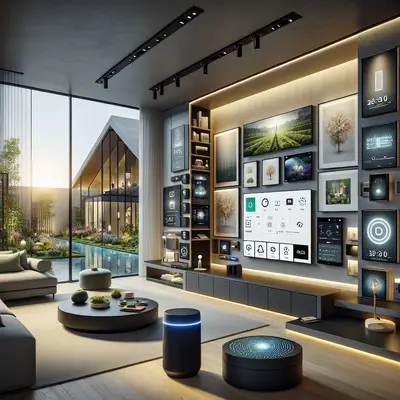
Aesthetically, speakers no longer need to look like tech. There are fabric‑wrapped units that double as decor objects, wall‑mounted panels that look like art, and even lamps with built‑in speakers. The goal: sound that feels integrated into your interiors instead of sitting on top of them.
Kitchen Tech That Works Like a Quiet Sous‑Chef
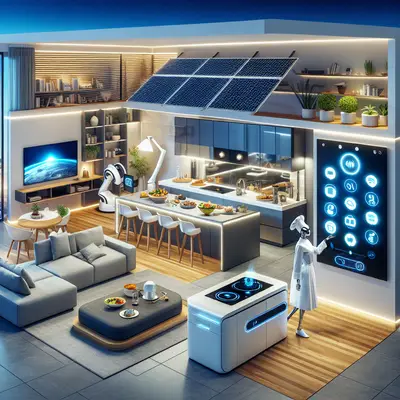
The most interesting kitchen tech is the kind that disappears into your routine but quietly keeps you two steps ahead.
Smart ovens can preheat as you drive home and nudge you with notifications when dinner’s ready. Some models auto‑adjust cooking time based on internal sensors, so you’re not chained to a timer. Connected fridges can suggest recipes based on what you actually have, not just what you think you bought.
For daily life, the unsung heroes are smaller, smarter details: induction cooktops that boil water in minutes but keep the surface cooler to the touch; faucet systems that dispense precise amounts of water (hello, no‑measuring‑cup pasta nights); or app‑connected coffee makers that start brewing when your alarm goes off.
Design‑wise, integrated screens are starting to move off big, obvious panels and into more subtle forms: a narrow strip across the oven door, a hidden display that lights up when you touch the fridge, or built‑in charging and cable‑free docks behind closed drawers for your tablets and phones. The vibe: calm, minimal surfaces with intelligence underneath, not a wall of blinking lights.
Smarter Entry: Doorways That Do More Than Open and Close
Your entryway is the control point for your whole living flow—how you leave, how you arrive, and how safe your space feels. Modern access tech is about making that choreography easier, not more complicated.
Smart locks let you ditch the key juggle and use your phone, watch, or a code. You can generate temporary access for guests, dog walkers, or cleaners that only work at certain times. Paired with a video doorbell, you get a quiet layer of peace of mind: you can see who’s there, talk to delivery drivers, and track packages without hovering near the door.
Inside, a small charging zone near the entry becomes mission control: a tray or drawer with built‑in wireless chargers for phones and earbuds, a spot for keys, and maybe a smart hub or speaker for quick commands (“lock the door,” “turn off all lights,” “set house to away mode”).
The design trick is to treat all of this like part of your decor. Choose finishes that match your door hardware and style—blackened metal, brushed brass, or clean matte white—so the tech reads as intentional, not tacked‑on.
Wellness‑Tuned Spaces With Subtle Sensing
The next wave of home tech is less about entertainment and more about how you feel in your space—energy, sleep, focus, even air quality.
Discrete sensors can monitor temperature, humidity, and particulate levels to help manage allergies, dry skin, or that “stale” winter air. Paired with smart purifiers and humidifiers, your home can automatically maintain a more comfortable environment—boosting humidity overnight, ramping up filtration during high‑pollen days, or nudging the thermostat down to support better sleep.
On the wellness side, lighting and sound can play a role too: preset “wind‑down” scenes that lower lights, start a calming playlist, and nudge your devices into Do Not Disturb; or “focus” modes that brighten your workspace and mute notifications on shared screens.
The key is not to make your home feel like a lab. Use small, visually quiet devices and tuck them into shelves or corners. Let the tech handle the data; you just feel the result: better sleep, clearer air, and a space that reacts to your needs without demanding attention.
Conclusion
Modern home tech doesn’t have to be loud, neon, or obsessed with features you’ll never touch. The most livable upgrades are design‑conscious, quietly smart, and deeply tuned to how you move through your days.
When you layer in adaptive lighting, zoned sound, low‑drama kitchen intelligence, a thoughtful entry, and wellness‑aware sensing, your home starts feeling less like a collection of gadgets—and more like a calm, responsive partner in your lifestyle.
Sources
- U.S. Department of Energy – Lighting Choices – Overview of efficient lighting options and their impact on comfort and energy use
- Harvard Medical School – Blue Light Has a Dark Side – Explains how light affects circadian rhythm, sleep, and mood
- Consumer Reports – Smart Speakers & Wireless Audio Buying Guide – Breaks down modern audio ecosystems and how multiroom sound works
- U.S. Food & Drug Administration – Indoor Air Quality – Covers why air quality matters and common indoor air concerns
- Centers for Disease Control and Prevention – Healthy Sleep – Details how environmental factors like temperature and light influence sleep quality
Key Takeaway
The most important thing to remember from this article is that this information can change how you think about Home Tech.