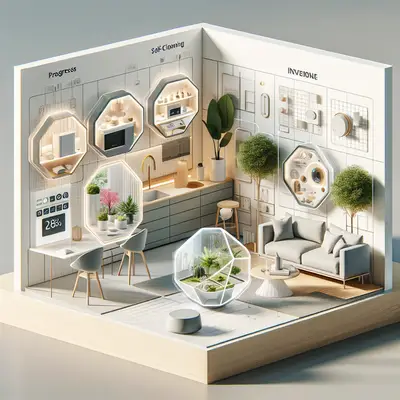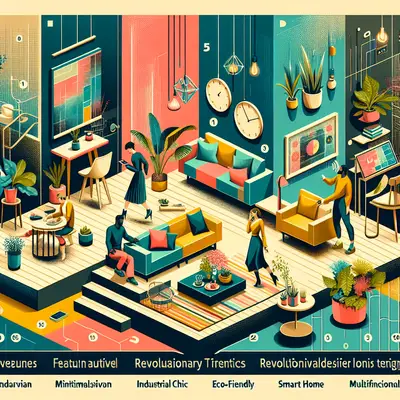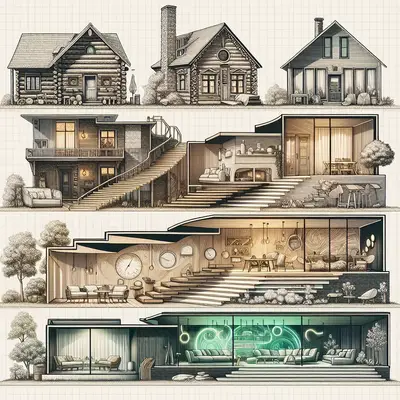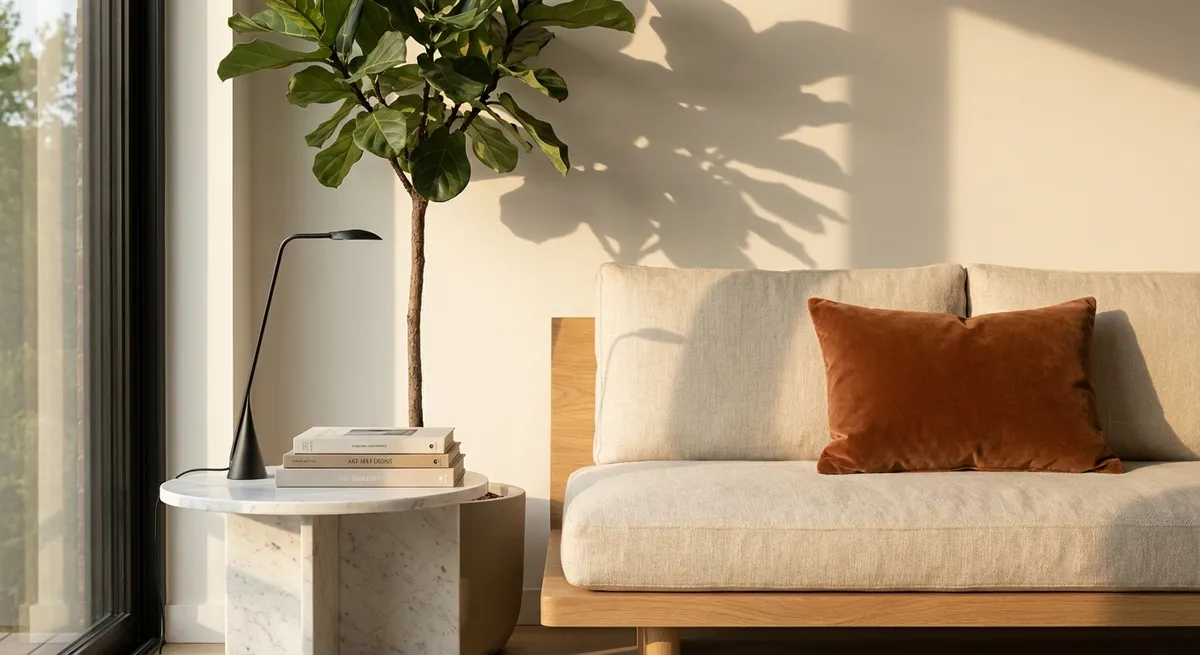
Your home doesn’t need a full renovation to feel wildly more intentional. What it does need is a better edit: smarter zones, mood-first lighting, textures that work harder, and tech that disappears into the background instead of shouting for attention. Think less “showroom reveal,” more “this place fits my life perfectly.”
Below, five innovative home living ideas designed for modern homeowners who want spaces that feel curated, flexible, and lived-in—in the best way.
1. Mood Layering: Treat Your Space Like a Wardrobe, Not a Museum
Instead of designing one “perfect” static room, think in layers you can swap—just like you rotate outfits with the seasons. Your base layer is timeless and calm: neutral walls, comfortable key furniture, minimal built-ins. The second layer is your personality: art, textiles, ceramics, books, statement lighting. The final layer is seasonal and experimental: throws, pillows, accent lamps, scent, and even playlists that live in the space.
This approach keeps your home from feeling locked in or overdesigned. It also makes refreshes cheaper and faster because you’re not changing architectural pieces every time your taste evolves. Color can live mostly in textiles and art, while your foundations stay flexible. Over time, your home becomes a rotating collection of looks built on the same smart base—always evolving, never chaotic.
2. Hybrid Zones: Design Rooms That Can Change Roles in Under 5 Minutes
Modern life doesn’t respect old-school room labels. Your dining area is also a Zoom studio, your living room is a stretch space, your bedroom is sometimes a quiet office. The trick is to design hybrid zones that can flip roles quickly, without dragging chairs across the house or hiding your life behind ugly storage.
Start with one rule: every major piece should have at least two jobs. A dining table becomes both work surface and hosting hub when paired with stackable or lightweight chairs. A slim console behind the sofa can hide office gear in shallow drawers while still acting as a display surface. Nesting side tables let you expand for guests or tuck away for open floor space. Soft dividers—like open shelving, folding screens, or sheer curtains—create zones without making rooms feel boxed in. The goal isn’t to pretend work doesn’t exist; it’s to close your laptop and visually reclaim the room in minutes.
3. Tactile-First Design: Let Texture Do the Talking
We’re in an era of visual overload, and interiors that photograph well don’t always feel good to live in. One reset: design for touch first, then looks. Ask how surfaces, fabrics, and finishes actually feel under your hands, bare feet, and when you sink into them at the end of a long day.
Build a mix of textures that creates instant comfort: a heavy linen or cotton slipcover on the sofa, a wool or jute rug underfoot, a smooth stone or wood coffee table, and one or two high-gloss or metal accents for contrast. Don’t forget vertical texture—limewash paint, subtle wall paneling, or fabric-wrapped headboards can all soften sound and add depth. When everything feels considered to the touch, your home becomes more than “aesthetic”; it becomes physically grounding, the place your nervous system recognizes as safe and calm.
4. Light Choreography: Design the Day with Layered Lighting
Good lighting isn’t about bright vs. dim; it’s about what each hour of your day needs from your space. Instead of relying on one overhead fixture that does everything poorly, think in scenes. Daytime needs clarity: natural light maximized with sheer curtains, reflective surfaces, and task lamps for work zones. Evening needs softness: warm-toned lamps at different heights, dimmers, and indirect glow bouncing off walls instead of beaming from the ceiling.
Build a simple lighting stack: one main overhead fixture (ideally on a dimmer), two to four table or floor lamps scattered around the room, plus at least one focused task light for reading or working. If you’re using smart bulbs, pre-set scenes like “Morning Reset,” “Deep Work,” and “Wind Down,” each with distinct brightness and warmth. This is less about gadgets and more about guiding your energy—light that supports productivity when you need focus, then lets your space exhale with you at night. Over time, your home’s light cues become subtle rituals that tell your brain what’s coming next.
5. Display with Intention: Turn Storage into Storytelling
Instead of hiding everything or displaying everything, aim for curated storytelling. The things you see every day should be either deeply useful or deeply meaningful. That means editing open shelves and surfaces so they read like a well-composed moodboard, not a catch-all.
Start by removing everything and bringing items back in small groups: books you actually reach for, one or two sculptural objects, a plant or branch, a framed photo or art piece. Mix heights and textures, and leave negative space so your eye can rest. For closed storage, invest in containers that feel intentional—lidded baskets, simple boxes, and labeled bins that match your home’s palette. Tech, cables, and “ugly essentials” can live there and disappear when not in use.
The result: your home starts to read like a story about your life rather than a pile of random purchases. Guests can scan a shelf and get a sense of your travels, hobbies, and taste. More importantly, you get micro-hits of joy every time you look around—because what’s on display is the edited version of your life you actually want to see.
Conclusion
Modern interior design isn’t about chasing trends or copying a Pinterest board; it’s about building a home that works as hard as you do while still feeling soft, personal, and easy to live in. When you think in layers, design for hybrid lives, prioritize touch, choreograph your lighting, and use storage as storytelling, your space stops feeling like a project and starts feeling like a quiet flex.
The most innovative move you can make isn’t buying more; it’s curating better. Your home doesn’t need to be perfect—it just needs to feel unmistakably yours.
Sources
- American Society of Interior Designers – Design Trends - Insights into current shifts in residential design and lifestyle-driven interiors
- Harvard Graduate School of Design – Healthy Buildings Research - Research on how lighting, materials, and layout affect well-being at home
- U.S. Department of Energy – Lighting Choices to Save You Money - Practical guidance on layered lighting and energy-efficient choices
- The New York Times – How to Make a Room Feel Cohesive - Expert tips on creating balanced, intentional interiors
- Smithsonian Magazine – The Psychology of Clutter - Explores how visual clutter impacts mood and why intentional display matters
Key Takeaway
The most important thing to remember from this article is that this information can change how you think about Interior Design.