Sustainable living doesn’t have to look like mason jars and sacrifice. For modern homeowners, it’s about designing a life that feels calmer, looks good on camera, and quietly reduces your footprint in the background. Think of it as editing your home the way you edit your feed: intentional, curated, and aligned with what actually matters.
Below are five innovative, very-now ideas that make sustainable living feel less like a rulebook and more like an upgrade.
Climate-Conscious Zoning: Treat Your Home Like a Boutique Hotel
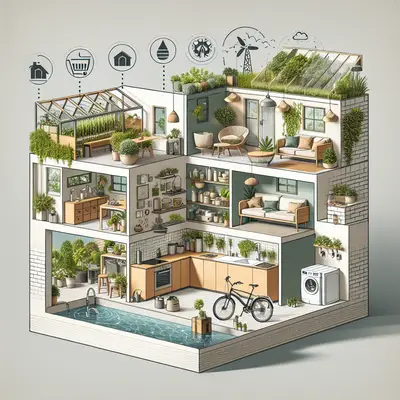
Instead of heating or cooling your whole home like one giant box, start thinking in “zones” the way boutique hotels do: specific vibes, specific temps, specific uses.
Create a warm, cocooned “evening zone” (living room + bedroom) and a cooler, more functional “day zone” (kitchen + office). Use smart thermostats and room sensors to focus energy only where you actually are. Add thick curtains, draft stoppers, and rugs to the spaces you live in most so they hold temperature longer with less effort.
This isn’t just tech—layer in design moves: a reading chair by a sunny window you use in winter afternoons, a ceiling fan to stretch your air conditioning further in summer, or using sliding doors or room dividers to “shrink” large open spaces at night. The result: more comfort, less energy waste, and a home that feels designed around your real routine, not just your floor plan.
Circular Style: Furniture That Lives More Than One Life
Fast furniture is the new fast fashion—cheap, everywhere, and quietly expensive for the planet. Modern sustainable living leans into “circular style”: buying, using, and passing on pieces in a loop rather than a straight line.
Start by choosing pieces made from solid wood, metal, or recycled materials that can be repaired, refinished, or resold instead of tossed. Look for modular sofas with washable covers, extendable dining tables that adapt as your life changes, and storage pieces that can move from entryway to bedroom to office without looking out of place.
Layer in pre-loved finds from high-quality secondhand sites or neighborhood marketplaces, then invest in simple care rituals: oiling wood, tightening bolts, reupholstering instead of replacing. The aesthetic payoff is huge—your home looks less copy-paste, more lived-in-luxe—and you cut down dramatically on the hidden emissions behind mass-produced pieces.
Slow Energy: Turning Your Home Into a Micro Power Hub
You don’t need a full rooftop solar array to start playing in the “energy creator” era. Think small, smart, and modular.
Portable solar generators and foldable panels can power your balcony office, charge your devices, or run outdoor lighting—without touching your main bill. Induction cooktops can be a stepping stone to more efficient electric living: they’re safer, faster, and often more energy-efficient than gas or traditional electric stoves, and portable units can slide into even tiny kitchens.
Pair that with energy-aware habits powered by tech: real-time usage monitors that show what’s quietly draining your wallet, smart plugs that cut standby power at night, and LED lighting on schedules that mimic natural daylight. The goal isn’t perfection; it’s shifting from passive consumer to active curator of how energy moves through your space.
Biophilic Everyday: Designing Spaces That Breathe Back
Houseplants are just the entry level. Biophilic design—the art of building nature into how you live—isn’t just pretty; it’s linked to better mood, lower stress, and higher well-being.
Start with sightlines: position your work zone or dining area where you can see sky, trees, or even a small balcony garden. Layer in natural textures like linen, jute, cork, and unfinished wood that age gracefully and feel grounded. Create one “green anchor” in each main room: a large plant, a vertical herb wall in the kitchen, or a window box that frames your view.
For small spaces, grow microgreens on your countertop or use rail planters on balconies. Add a water element if you can—a tiny tabletop fountain, a birdbath on a terrace, or even just better access to fresh air via screens and operable windows. The more your home connects you to daylight, weather, and living things, the less you’ll rely on artificial light, air fresheners, and mood-boosting purchases to feel good indoors.
Intentional Systems: Ritual-Based Sustainability You’ll Actually Keep
The most sustainable ideas are the ones that survive your busiest week. Instead of aiming for a “perfectly green home,” design simple systems that click into your real life.
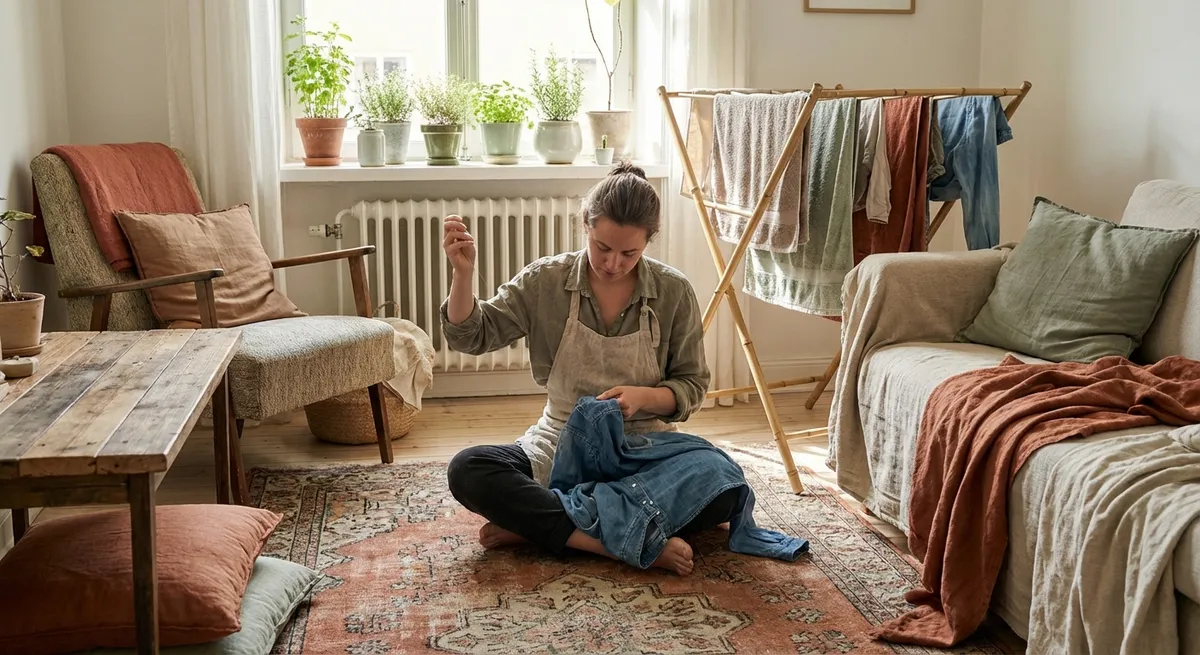
Build a “reuse station” near your front door: canvas totes, produce bags, reusable coffee cups, and water bottles all in one grab-and-go place. In the kitchen, set up a visible, aesthetic sorting setup for recycling and compost so it doesn’t feel like an afterthought. Use one stylish, lidded bin for “repair + rethink”—missing buttons, torn seams, broken drawer pulls—so you batch fixes instead of defaulting to the trash.
Digitally, create a subscription reset ritual every few months: cancel what you’re not using, turn off auto-deliveries you don’t need, and switch bills and mail to paperless. Anchor these choices to routines you already have—Sunday resets, monthly budgeting, the first day of a new season—so sustainable living becomes part of how you run your life, not an extra task on top of it.
Conclusion
Sustainable living at home isn’t about deprivation; it’s about smarter comfort. When you zone your space, choose circular furniture, generate even a little of your own energy, invite nature in, and build systems that fit your habits, “eco-friendly” stops feeling like a niche identity and starts feeling like good design.
The future of home isn’t high-tech for its own sake—it’s quietly radical choices that make everyday life feel lighter, calmer, and more intentional. Start with one idea, let it settle into your routine, then add the next. Sustainability, like a well-designed room, is built in layers.
Sources
- U.S. Energy Information Administration – Residential Energy Consumption - Data on how homes use energy and where efficiency matters most
- U.S. Department of Energy – Energy Saver - Practical guidance on home heating, cooling, and efficient appliances
- Ellen MacArthur Foundation – Circular Economy in Homes and Cities - Background on circular design principles applied to urban living and household goods
- Harvard T.H. Chan School of Public Health – Housing and Health - Research on how indoor environments affect health and well-being
- International Living Future Institute – Biophilic Design Resources - Overview of biophilic design concepts and their benefits for modern spaces
Key Takeaway
The most important thing to remember from this article is that this information can change how you think about Sustainable Living.