Sustainable living doesn’t have to look like a full off‑grid cabin or a Pinterest-perfect eco compound. For most of us, it’s about layering in smart choices that fit real life: busy schedules, shared spaces, and the occasional impulse purchase. Think of it less as “saving the planet” and more as future‑proofing your home, cutting hidden costs, and turning your space into something that actually supports how you want to live.
Below are five modern, design-conscious ideas that dial down your home’s footprint while dialing up comfort, style, and long-term value.
1. The Circular Closet: Designing a Wardrobe Zone That Lives Longer
Fast fashion doesn’t just clutter your wardrobe; it quietly clutters your carbon footprint. Instead of treating your closet as a storage black hole, reframe it as a “circular” hub that keeps pieces in rotation longer and out of the trash.
Start with visibility. Swap bulky, deep storage for open rails, slim velvet hangers, and clear drawers so you actually see what you own. A well-lit closet—think warm LED strip lighting instead of a single overhead bulb—encourages you to shop your own wardrobe first. Add a small “repair station” with a sewing kit, fabric shaver, and stain remover so the default response to a snag or missing button isn’t “toss it.”
Introduce a dedicated “maybe” rail for items you’re not wearing but aren’t ready to let go of. If something sits there untouched for 60–90 days, that’s your cue for resale, donation, or clothing swaps with friends or neighbors. Layer in a couple of sustainably made anchor pieces—like a timeless wool coat or quality denim you’ll wear for years—and build outfits around them instead of chasing micro-trends.
The result: fewer impulse buys, more intentional outfits, and a closet that feels curated, not chaotic—and significantly less textile waste leaving your home each year.
2. Micro-Zones for Low-Energy Comfort (Without Sacrificing Aesthetics)
Heating and cooling the whole home for one person on the sofa is the quiet energy drain no one talks about. Instead of constantly battling the thermostat, create “micro-comfort zones” that let you live at a lower overall temperature while still feeling cozy.
Start with the spaces you actually use: your reading chair, the desk where you doom-scroll between emails, the corner of the couch you always claim. Layer in tactile comfort—thick woven throws, wool or jute rugs, and textured cushions that trap warmth around your body without blasting the HVAC. Draft stoppers on doors and weatherstripping around windows do a lot of invisible heavy lifting while still looking minimal and clean.
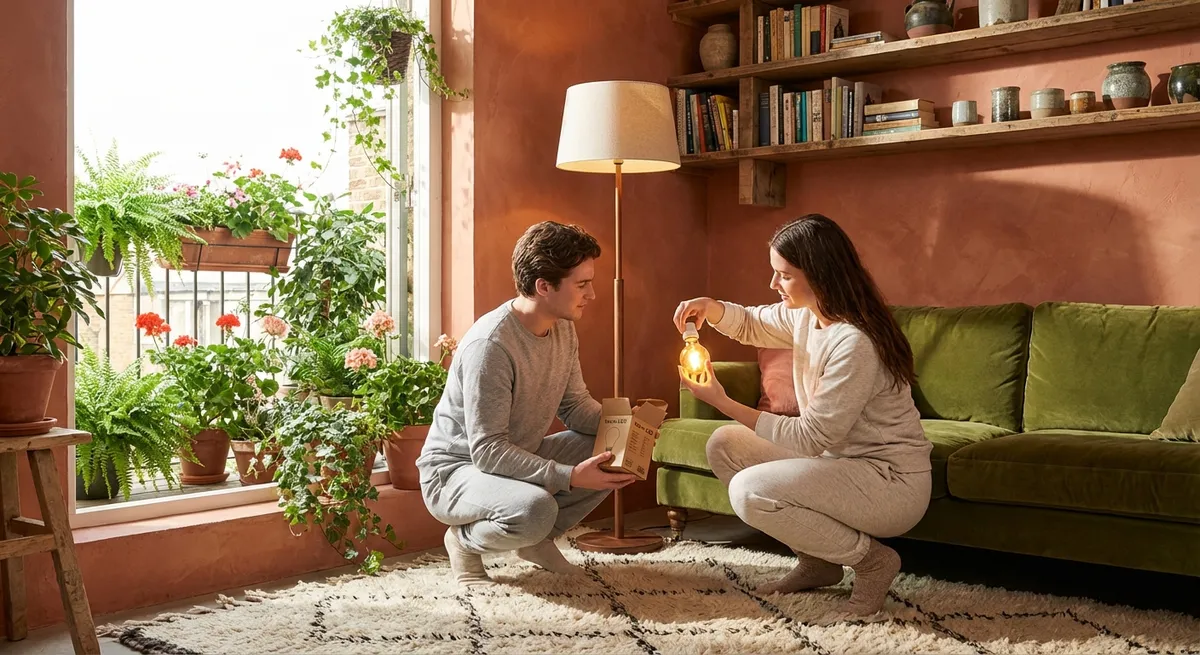
Swap harsh overhead lighting for warm, low-energy LED floor and table lamps on dimmers. Not only do they use less electricity, but a softer glow also signals “evening mode” to your brain so you’re less tempted to stay up with every light blazing. For bonus points, use smart plugs or app-controlled strips to easily shut everything down with one tap.
You’re not just “being good” for the planet—you're building small, intimate pockets of comfort that make your home feel more like a boutique hotel and less like a constantly lit office.
3. The Edible Room Divider: Food, Air Quality, and Vibes in One Move
Houseplants are everywhere, but you can push the idea further by turning greenery into a functional part of your home’s layout. An “edible room divider” is exactly what it sounds like: a structured, plant-filled element that gently separates zones while giving you fresh herbs, greens, or citrus within arm’s reach.
Think slim shelving or a modular grid between your kitchen and dining area, planted with rosemary, basil, mint, and trailing varieties for visual softness. In a sunny living room, a vertical planter wall or ladder shelf with leafy greens and small fruiting plants creates a soft partition without closing off light or airflow.
Besides the obvious food perks, plants can improve indoor air quality and humidity levels, especially in airtight homes. To keep it chic instead of chaotic, stick to a palette—matte terracotta, off-white ceramics, or sleek black planters—and repeat that theme. Integrate low-profile grow lights under shelves if natural light is limited; modern versions look more like design lighting than gardening gear.
The payoff: fewer plastic herb clamshells from the store, a fresher-smelling home, and a visual feature wall that feels more boutique café, less “I panic-bought plants in 2020.”
4. Low-Impact Luxury in the Bathroom: Spa Energy, Minimal Waste
Bathrooms quietly generate a lot of waste: single-use plastics, water, and heat. But it’s also the easiest room to elevate into a ritual space that feels spa-level without going overboard on resources.
Start with hardware. A quality low-flow showerhead can still feel high-pressure and luxe if you choose well; many now incorporate air infusion to maintain the sensation of volume while cutting water usage. Add a thermostatic mixing valve or smart shower control so you’re not running water endlessly to find the right temperature.
Next, edit your products. Trade multiple half-used bottles for a streamlined set of refillable dispensers—glass or matte metal—that you actually enjoy looking at. Refill from bulk or concentrated products where possible. A single solid shampoo or body bar that works for most of the household can cut serious plastic and visual clutter.
Consider textiles as your soft luxury layer: organic cotton or linen towels in a restrained color palette feel elevated and last longer. If you can, install a simple towel rack with good airflow so things dry faster, reducing the need for constant laundry. A small bathroom plant, a dimmable sconce, and one great scent (like an essential oil diffuser or candle you actually finish) round out the calm, low-impact routine.
You get hotel-level vibes every morning, minus the mini bottles and resource drain.
5. Energy Fluent: Making Your Home’s Usage Visible (and Aesthetic)
The least sexy part of sustainable living—energy data—gets a lot more interesting when it’s designed into your space instead of hidden in an app you never open.
Think of your home as something you can “read” at a glance. Smart meters and plug-in energy monitors can show real-time usage, but instead of living only on your phone, display key insights in beautiful analog or digital ways. A small wall-mounted e-ink display in the kitchen that shows today’s usage vs. your weekly average can nudge you to unplug what you’re not using—without screaming “spreadsheet.”
On a more analog level, create a dedicated “charging dock” zone: one clean tray or wall shelf with a multi-port charger where devices live when they’re not in use. This simple move naturally reduces always-on outlets scattered across the house. Pair it with a stylish storage basket for blankets, so “grab a throw” becomes the default before “bump the heat up.”
If local regulations and budget allow, explore community solar subscriptions or green energy programs through your utility. You might not be able to slap panels on your roof today, but you can still choose cleaner energy sources behind the scenes. Track your progress in a visually pleasing way—like a framed print or memo board where you mark milestones: lower bills, fewer peak-usage days, or seasonal changes.
The more visible and integrated your energy story becomes, the more your everyday choices naturally shift—no guilt trips, just better habits backed by design.
Conclusion
Sustainable living doesn’t have to be a full personality change. It’s a series of subtle edits—how you store clothes, divide rooms, light spaces, use water and energy—that quietly reshape how your home works for you and the world outside your front door.
Pick one idea that feels easiest—maybe the edible divider, maybe the bathroom reset—and let that be your entry point. As those small shifts start to feel normal (and your bills, air quality, and daily routines improve), layering in the next move won’t feel like a sacrifice. It’ll just feel like the new standard for how a modern home should work.
Sources
- U.S. Environmental Protection Agency – Sustainable Management of Textiles - Data on textile waste, environmental impact of clothing, and strategies for extending garment life
- U.S. Department of Energy – Energy Saver - Practical guidance on home energy efficiency, heating and cooling, and appliance usage
- EPA WaterSense – Showerheads - Information on water-efficient showerheads and how they reduce water and energy consumption
- Harvard T.H. Chan School of Public Health – The Indoor Environment - Research-backed insights on indoor air quality, plants, and building design
- U.S. Department of Energy – Community and Shared Solar - Overview of community solar programs and options for accessing clean energy without rooftop panels
Key Takeaway
The most important thing to remember from this article is that this information can change how you think about Sustainable Living.