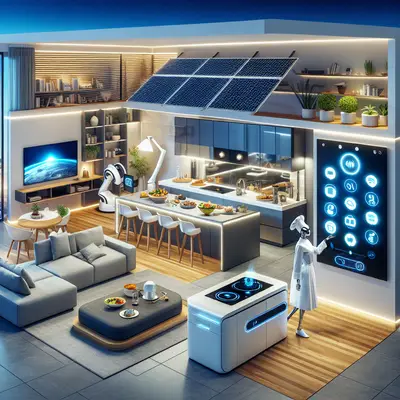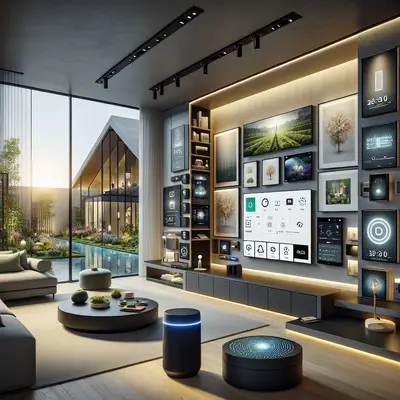
A home that quietly does more for you, without feeling like you live inside a gadget ad—that’s the new tech flex. It’s less about “smart for smart’s sake” and more about creating spaces that anticipate you, simplify your routines, and support how you actually live. Think: fewer apps, more ambience. Less setup, more seamless comfort.
These five innovative home-living ideas aren’t about chasing the latest device. They’re about layering in tech that makes your space calmer, healthier, and more intuitive—while still looking incredibly put-together.
1. The Adaptive Morning: Tech That Syncs With Your Body Clock
Forget harsh alarms and bright overheads at 6:30 a.m. An adaptive morning routine uses connected devices to wake you up gradually, like your home understands circadian rhythm as well as your sleep tracker does.
Start with smart shades or blinds that rise slowly at your chosen time, paired with a sunrise-simulating smart bulb that warms from soft amber to bright daylight. Add a smart speaker or display that quietly brings in the day—weather, commute, a short news briefing—without you touching a single button. If you wear a sleep tracker or smartwatch, some systems can even adjust your wake-up window based on when you’re in lighter sleep, so you don’t start your day feeling slammed.
The key is orchestration. Instead of five different apps, look for platforms that integrate—lights, shades, thermostat, audio—into one scene called something like “Soft Wake” or “Weekday AM.” Your home should feel like it’s easing you into your day, not yanking you out of it.
2. Micro-Zoned Comfort: Personalized Climate, Room by Room
Whole-home heating and cooling used to be all or nothing. Either the house was freezing or one room was sweltering. Micro-zoned comfort flips that, giving each space its own climate personality.
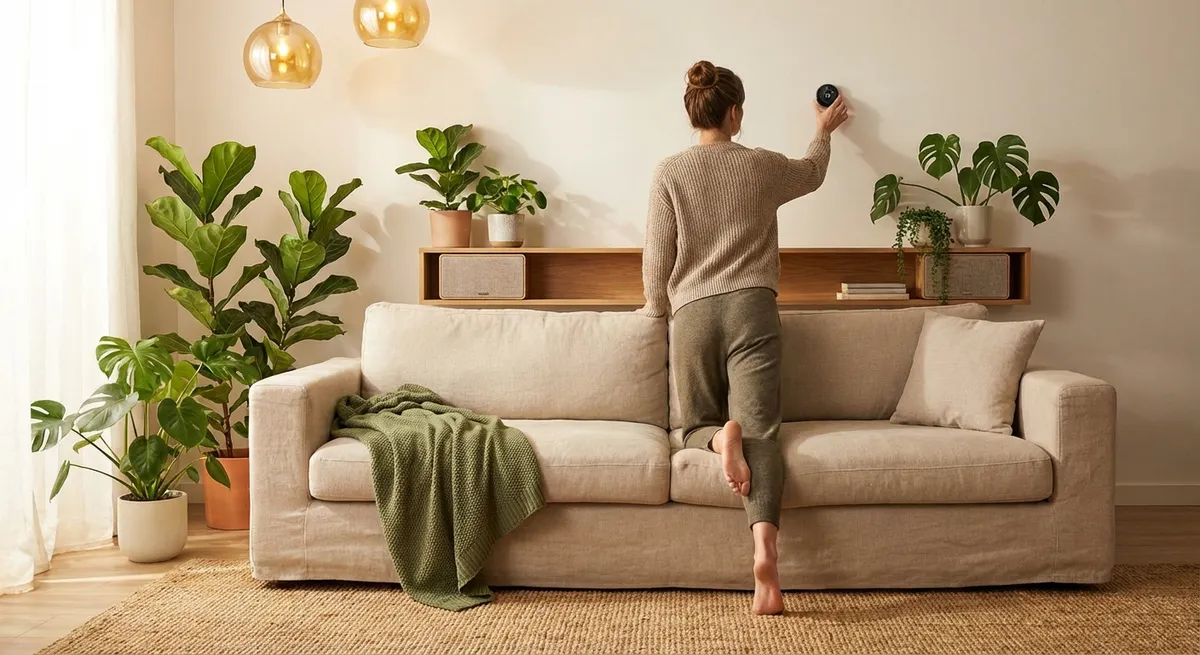
Smart thermostats and wireless sensors can learn how different rooms behave—sunny offices that overheat by noon, drafty bedrooms that run cold at night—and adjust automatically. Some systems work with smart vents or individual room controllers to send more or less airflow where it’s needed, which can improve both comfort and energy efficiency.
You can take it further by pairing climate control with your daily patterns. A “Work Mode” could cool your office and slightly warm the rest of the house to save energy. An “Evening Wind-Down” could subtly lower your bedroom temperature and dim the lights an hour before bed. The tech disappears into the background; what you feel is simply that every room suddenly “gets” you.
3. Elevated Everyday Sound: From Background Noise to Sonic Design
Audio used to mean a single Bluetooth speaker somewhere near an outlet. Now, whole-home sound is becoming less about blasting playlists and more about sonic design—using audio to shape mood, focus, and calm.
Discreet multi-room speakers can follow you through your day, switching from a focus playlist in your office to ambient jazz in the kitchen without missing a beat. Smart speakers can adapt volume based on room noise, so you don’t have to keep turning things up during cooking or down at night. Some sound systems now integrate with TVs to create surround experiences without needing visible hardware all over your living room.
Beyond entertainment, think functional soundscapes: soft white noise to blur street sounds in city apartments, gentle tones to signal timers while cooking, or subtle audio cues when the laundry’s done or a package arrives. Done well, your home’s sound profile becomes part of the design—curated, intentional, and aligned with how you want each room to feel.
4. Frictionless Hosting: Tech That Makes Guests Feel Instantly at Home
Smart homes are often designed for the people who live there—but the next level is tech that makes guests feel just as comfortable. Hosting becomes less about rushing around and more about creating an experience.
Think guest-ready Wi‑Fi that’s easy to access via a QR code framed in the guest room or kitchen. Smart locks with temporary codes mean no hiding keys under planters. You can preset a “Guest Arrival” scene: path lights on, entryway warm and welcoming, soft playlist in the background. If you have a guest suite, a small smart display can show the time, weather, and local coffee spots, and control lights without guests needing to ask, “How do I turn this off?”
During dinners, smart lighting scenes can shift from bright prep to warm, flattering candlelight vibes with a single tap or voice command. If you have an outdoor area, integrating weather-aware lighting and subtle heating can stretch evening hangs later into the night—without you constantly adjusting switches.
The best part: your house feels incredibly put-together and thoughtful, but you’re actually doing less in the moment.
5. Wellness-First Spaces: Air, Light, and Quiet on Autopilot
Home tech is moving beyond convenience into genuine wellness support. Instead of obsessing over screen sizes, modern homeowners are paying attention to invisible factors—air quality, light quality, and noise levels—that impact how they sleep, focus, and recharge.
Smart air purifiers and air-quality monitors can track pollutants, humidity, and allergens, then automatically ramp up when cooking, cleaning, or during high-pollen days. Tunable white lighting can shift throughout the day—from cool, bright light that supports focus to warm, low light that encourages relaxation at night. Some systems even sync with local sunset/sunrise times to stay in rhythm with the outdoors.
Noise is another overlooked layer. Soundproofing isn’t “tech” in the flashy sense, but pairing better insulation or acoustic panels with smart white-noise systems can make city apartments and townhomes feel instantly calmer. Add in wellness-focused features like smart faucets with preset temperatures, smart scales integrated with health apps, or shower speakers designed for guided meditations, and your home subtly becomes a daily reset space.
Wellness tech doesn’t need to shout. The goal is a home that feels lighter, cleaner, and more restful—without you obsessing over settings.
Conclusion
The smartest homes now are less about showing off gadgets and more about designing experiences. Adaptive mornings, micro-zoned comfort, elevated sound, guest-friendly hosting, and wellness-first spaces all use tech as a quiet layer under beautiful design.
If you’re planning your next upgrade, start with how you want your home to feel at specific moments of your day—waking up, working, hosting, unwinding—and then choose tech that supports those moods with as few taps and apps as possible. The future of home living isn’t louder or brighter. It’s softer, smarter, and deeply personal.
Sources
- U.S. Department of Energy – Thermostats and Control Systems – Overview of smart thermostats and how zoning and automation can improve comfort and efficiency
- Harvard T.H. Chan School of Public Health – Healthy Buildings Program – Research on how air quality, ventilation, and environmental factors in buildings affect health and wellness
- Sleep Foundation – Circadian Rhythm and Light – Explains how light exposure and timing influence sleep, wakefulness, and daily rhythms
- Mayo Clinic – Blue Light and Sleep – Discussion of the impact of light (including device and indoor lighting) on sleep and circadian health
- Consumer Reports – Smart Home Guide – Independent reviews and explanations of smart home devices, from speakers to thermostats and security systems
Key Takeaway
The most important thing to remember from this article is that this information can change how you think about Home Tech.