Some interiors look amazing in photos—but feel flat the second you walk in. Soft-edge living is the opposite: it’s about spaces that look curated, but live easy. Think: rooms that flex with your day, materials you actually want to touch, and design details that quietly support your mood, sleep, and social life.
This isn’t about chasing trends. It’s about pulling in smart, modern ideas that make your home feel like your favorite version of you—whether you’re working from the dining table, hosting five friends on a Thursday, or recharging solo on a Sunday.
Below are five innovative home-living ideas that modern homeowners are leaning into right now—and how to make them yours.
1. Mood-First Layouts: Designing for How You Actually Live
Instead of starting with “Where does the sofa go?” start with, “What do I want to feel in this room most days?”
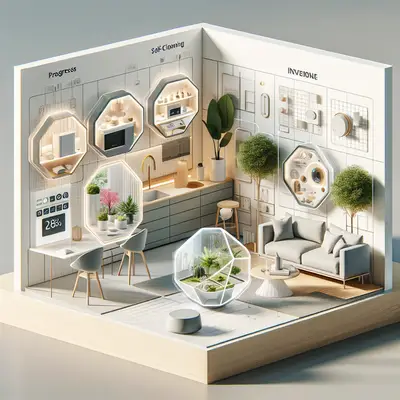
A mood-first layout is less about furniture against walls and more about intentionally designing micro-zones: a morning coffee corner that gets light, a video-call background that always looks polished, a reading spot that feels cocooned, a dining area that can flip into a work zone. You’re choreographing your day, not just decorating a room.
Begin by tracking how you move through your home for a week. Where do you drop your bag, actually sit with your laptop, or retreat with your phone at night? Use that data to reset your layout:
- Cluster seating around conversation, not the TV.
- Angle chairs toward natural light for reading or calls.
- Float a slim console behind a sofa as a flexible “work bar.”
- Add a small lounge chair in the bedroom for “phone-scrolling but not in bed.”
This approach quietly upgrades everyday life. Your home stops being a backdrop and becomes a support system for your real routines.
2. Tactile Layers: Materials That Make You Want to Stay In
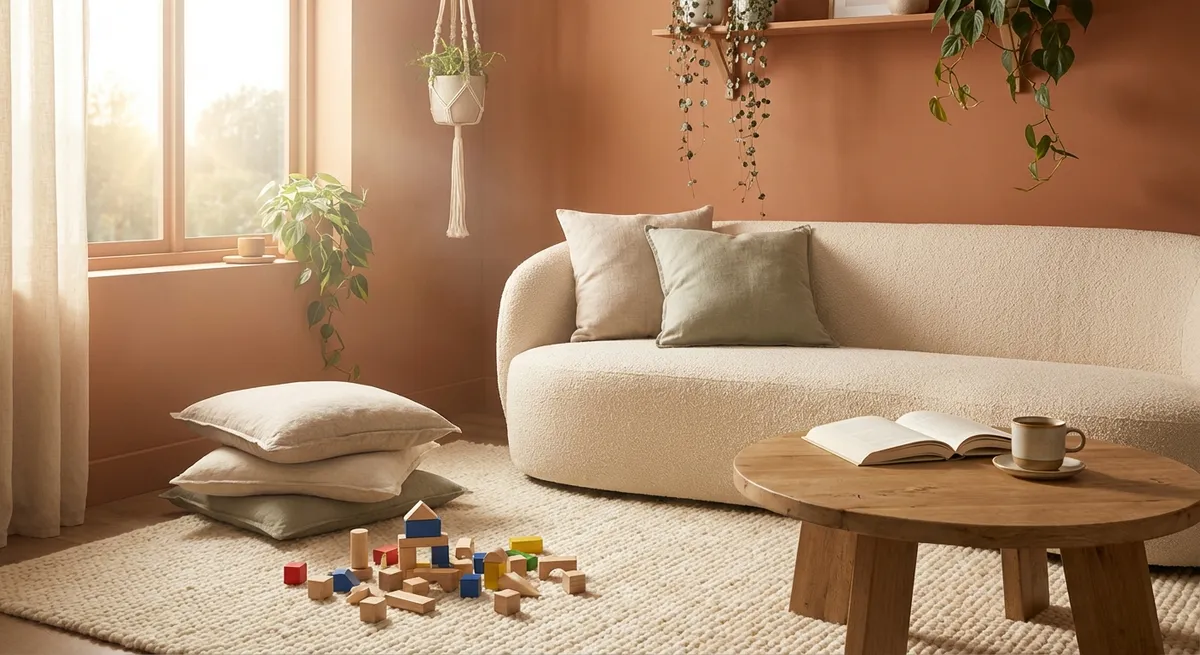
A truly livable space isn’t just about what you see—it’s what you touch all day without thinking. Tactile design means choosing textures that make your home feel grounded, warm, and human.
Think about layering:
- Base textures: Soft rugs underfoot, matte wall finishes, linen or cotton curtains that move with the air.
- Touchpoints: Leather or boucle armchairs, a stone or wood coffee table, chunky knit throws, ceramic mugs that feel substantial in your hand.
- Contrast: Pair smooth (glass, metal) with soft (velvet, chenille), and cool (stone, tile) with warm (wood, wool).
Modern homeowners are moving away from all-gloss, all-grey interiors and choosing more natural, touchable materials that age well instead of pretending to be perfect. A slightly worn leather chair, a wood table with visible grain, or hand-thrown ceramics add lived-in character that makes a space feel personal instead of staged.
Bonus: sensory-rich environments—especially ones with natural materials—have been linked to reduced stress and improved well-being, which aligns with the shift toward homes that support mental health as much as aesthetics.
3. Quiet Color Stories: Palettes That Flex With Your Life
Color is one of the fastest ways to transform how a room feels—without replacing everything you own. But instead of chasing whatever shade is trending on social media, modern homeowners are building “quiet color stories”: simple palettes that flex across seasons, moods, and styles.
Here’s how to build one:
- Choose a calm base: Soft whites, warm beiges, greige, or muted clay tones. These anchor the room and make it easy to layer.
- Add one grounding neutral: Charcoal, espresso brown, olive, or deep navy in key pieces (rugs, sofas, cabinets).
Pick two accent moods:
- A warm mood (terracotta, rust, blush, sand) - A cool mood (sage, slate blue, eucalyptus, stormy grey)
Use textiles, art, and accessories to dial those moods up or down. In summer, lean into cooler greens and blues; in fall, swap in rust cushions and warmer throws. Your space evolves without a full redesign.
The win: a cohesive, low-drama palette that still feels dynamic. You avoid the “Pinterest time capsule” effect and your home feels timeless, not timestamped.
4. Multi-Identity Rooms: Spaces That Shift With You
The most modern luxury isn’t a bigger home—it’s a smarter one. Multi-identity rooms are spaces designed to transform effortlessly across your day. Instead of one room = one function, think: one room, three personalities.
A few ways to build flexibility:
- Dining / workspace hybrid:
- Choose a dining table proportioned for laptops as well as dinner spreads.
- Use stackable or upholstered chairs that feel good for a 2-hour Zoom call and a long meal.
- Add a closed storage cabinet nearby to hide office clutter instantly.
- Living room / mini studio:
- Use nesting side tables that can move around for yoga, crafts, or game nights.
- Opt for lightweight accent chairs that are easy to pivot or reposition.
- Hang art or shelving that looks good on-camera for content creation or meetings.
- Guest room / wellness corner:
- Swap a traditional bed for a daybed or high-quality sleeper sofa.
- Add a small cabinet with yoga gear, aromatherapy, or a sound machine.
- Keep bedding and guest amenities corralled in a single trunk or bench.
The key is using pieces with clean shapes and built-in storage so the room can “reset” quickly. Your space feels curated, not chaotic—no matter what role it’s playing that day.
5. Micro-Ritual Corners: Designing for Small Daily Luxuries
Modern homeowners are craving less “performance” and more presence. Micro-ritual corners are tiny pockets in your home dedicated to small, repeatable luxuries—the five-minute habits that make a day feel intentional instead of rushed.
Some ideas to build in:
- Morning light spot: A chair pulled near the sunniest window, a side table, and a tray with your go-to mug, book, or journal.
- Analog unwind zone: A basket for phones, a dimmable lamp, a stack of physical magazines or novels, and a comfortable spot to sit.
- Entry decompression point: A console with a tray for keys and mail, a hook for bags, a mirror, and a small dish with something you enjoy (a favorite candle, a scent, or a plant).
- Sound sanctuary: A pocket of the room with a good speaker, headphones hook, and a small shelf for vinyl, playlists QR codes, or meditation tools.
Design-wise, these corners don’t need a lot of square footage—just intention. Give each micro-ritual corner its own mini “moment” with lighting, a small rug, or art. Over time, these little zones shape your day more than any single big-ticket purchase.
Conclusion
Soft-edge living is less about the big reveal and more about the quiet details you feel every day: where the light hits in the morning, how your sofa supports Sunday afternoons, how your space shifts from work to dinner without friction.
By focusing on mood-first layouts, tactile materials, flexible color stories, multi-identity rooms, and micro-ritual corners, you’re not just decorating—you’re scripting how you want to live. The result is a home that photographs beautifully, yes, but more importantly, one that feels like it’s fully on your side.
Sources
- Harvard T.H. Chan School of Public Health – Housing and Health – Overview of how housing conditions and design can influence physical and mental well-being.
- University of Minnesota – How Color Affects Mood – Explores the psychological impact of color choices in environments, including interiors.
- American Psychological Association – Workplace and Home Design and Well-Being – Discusses how thoughtfully designed spaces affect productivity and stress, relevant to multi-function rooms.
- U.S. General Services Administration – The Impact of Biophilic Design – Government report on the benefits of natural materials and biophilic elements in built environments.
- BBC Future – How Our Homes Shape Our Wellbeing – Article examining the connection between home environments and emotional health.
Key Takeaway
The most important thing to remember from this article is that this information can change how you think about Interior Design.