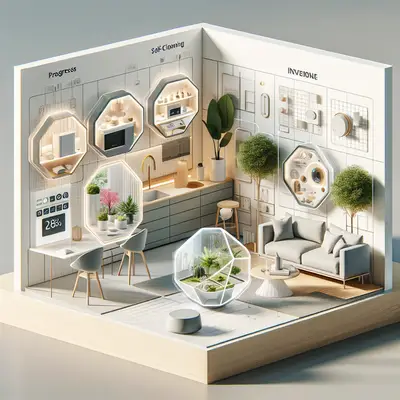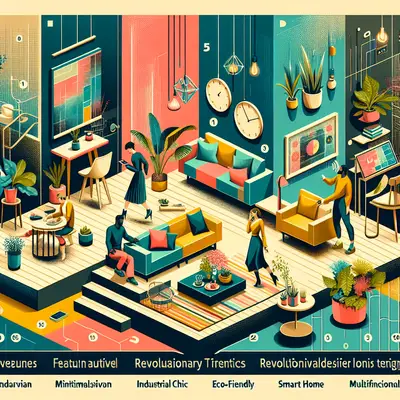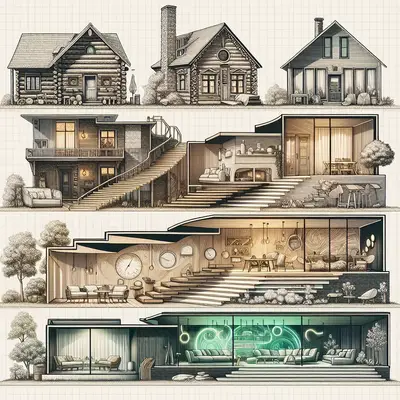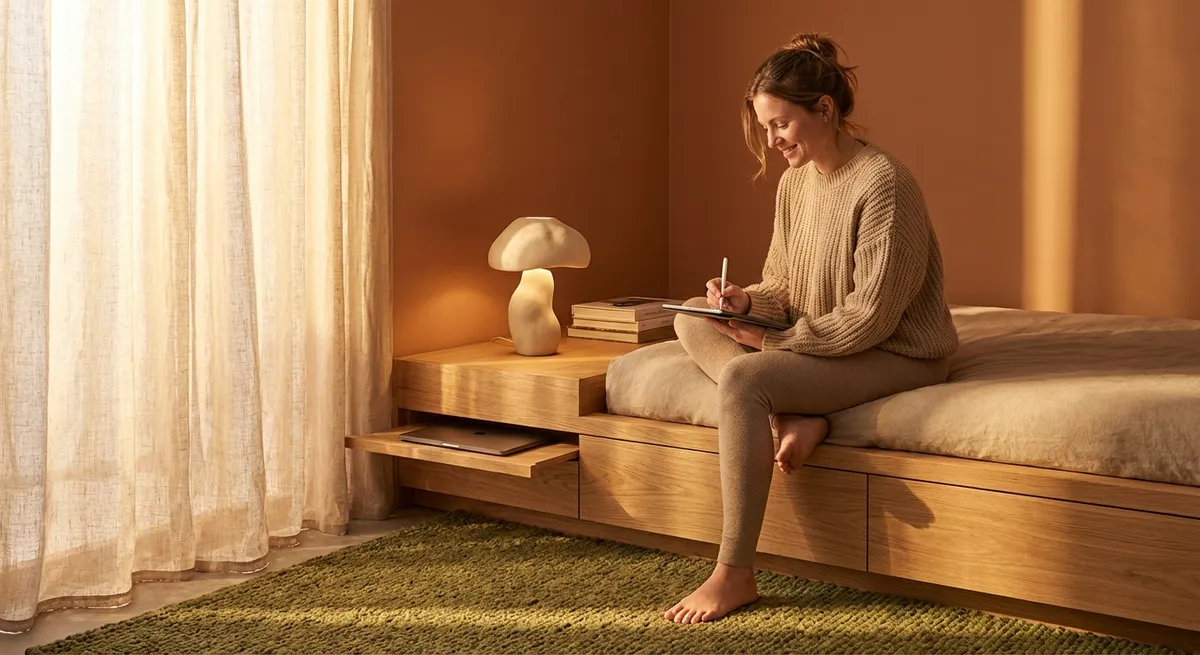
Home used to be a backdrop. Now it has to do everything: office, gym, café, wellness studio, social hub. Instead of fighting that, the new wave of interior design leans into it—spaces that flex, feel calm, and still look ridiculously good on camera.
This isn’t about a full gut reno or chasing every micro-trend. It’s about smart, modern shifts that make your place work harder and feel more like you.
Zoned, Not Crowded: Designing Spaces By Mood, Not Room
Forget strict room labels. The modern home flows around how you actually live: deep focus, casual hangs, solo reset, creative time. Interior design is less “formal living room” and more “this corner is where I get things done; that spot is where I fully switch off.”
Start by mapping your typical day at home. Where do you check emails? Where do you want to stretch, read, or host friends? Use rugs, lighting, and low-profile furniture to carve out “micro-zones” without throwing up walls. A slim console behind a sofa can quietly separate a lounge from a workspace. A reading chair plus a floor lamp instantly claims a corner as a wind‑down zone.
The trick is keeping the palette cohesive so things feel intentional, not chaotic. Think: repeating textures (linen, wood, stone), echoing one accent color across zones, and keeping big pieces in a similar tone family. This way your living-dining-work hybrid feels curated, not crowded—even if your square footage is tight.
The New Work Corner: Hybrid-Ready Without Killing Your Vibe
The days of clunky office chairs in the middle of the living room? Over. Hybrid living calls for “stealth workspace”—functional enough for Zoom, soft enough to disappear after hours.
Opt for a compact desk or wall-mounted drop-leaf that tucks away when you’re off the clock. Pair it with a chair that’s ergonomic but design-forward—think upholstered, warm-toned, or sculptural rather than shiny black plastic. Hide cords with floor cable covers in the same color as your rug, or use a cord channel painted to match your walls so your tech doesn’t visually clutter the room.
Lighting is where you can level up: a small, adjustable desk lamp with a warm color temperature can make you look better on camera and keep your space calm in the evening. Add a neutral backdrop—framed art or a styled shelf—behind your usual seat so every video call has built‑in polish. When work ends, close the laptop, slide your desk chair into the table, and let the space visually return to “home,” not “office.”
Texture-First Styling: Making Rooms Feel Expensive, Not Overdone
If you want your home to look elevated without feeling staged, texture is your best friend. Modern interiors are moving away from heavy pattern and toward rich layering: nubby throws, soft boucle, raw woods, stoneware, woven baskets, linen curtains.
Start with your largest surfaces and build from there. A low-pile rug in a muted tone sets the base; layer a smaller, more textured rug on top for depth. Swap at least one big glossy piece (like a shiny coffee table) for something matte or tactile—think travertine, limewash, or warm wood. On sofas and beds, mix fabrics: linen next to velvet, boucle next to cotton.
The key is contrast without chaos. Stay within a restrained color story—neutrals with one or two accent shades—but push variety in feel. When light hits a mix of textures, your space photographs beautifully and feels quietly luxurious in real life, no extra clutter required.
Light as Decor: Shaping Your Day With Layered Glow
In a modern home that has to flex from sunrise emails to midnight streaming, lighting is basically mood control. Instead of relying on one harsh overhead, layer your light sources to match the rhythms of your day.
Aim for three types of lighting in each main space: ambient (ceiling or main lamp), task (desk or reading lamp), and accent (sconces, picture lights, or LED strips). Warm, dimmable bulbs (around 2700–3000K) keep evenings soft and help your brain wind down, while cooler, brighter light during the day can help with focus.
Think of your fixtures as design objects too. A sculptural floor lamp can anchor a corner like a piece of art. Slim LED strips under cabinets or behind a headboard add a quiet, modern glow with almost no visual weight. For renters, plug-in sconces and clamp-on lamps create that “architect-designed” feel without touching the wiring.
When your lighting is intentional, you don’t just see your home differently—you live in it differently. A lamp turned on at 8 p.m. becomes a cue to slow down; the breakfast nook bathed in morning light becomes your built-in ritual spot.
Intentional Display: Styling Shelves & Surfaces With a Story
Open shelves and surfaces can either look like a storage accident or a lifestyle moodboard—it all comes down to edit and rhythm. Modern interiors favor fewer, better pieces styled with breathing room and personality.
Start by clearing everything, then put back only what you actually love or use. Group items in odd numbers (three or five), using a mix of heights and shapes: a tall vase, a horizontal stack of books, a small sculptural object. Repeat materials—ceramic, glass, wood—across the shelf so your eye reads it as one story, not random bits.
On coffee tables, think in “zones”: a tray with a candle and matchbox, a stack of books with a small bowl on top, maybe a single branch in a vase. In the kitchen, let a few beautiful everyday items live out in the open—olive oil in a glass bottle, a wood board, a ceramic crock with utensils—so function doubles as decor.
The goal isn’t perfection; it’s a lived‑in edit that feels like you now, not a catalog. As your life shifts—new hobbies, new travels, new art—let what’s on display evolve with it.
Conclusion
Modern living isn’t about having a bigger place; it’s about making the space you have work smarter for the life you’re actually living. Zoned layouts, stealth work corners, texture-led styling, layered lighting, and intentional display can turn any home—studio to townhome—into a flexible, calm, and quietly impressive backdrop for your day.
When your rooms are designed around how you move, rest, and create, home stops being just where you end the day and becomes where your whole life fits, beautifully.
Sources
- American Society of Interior Designers (ASID) – 2022 Trends Outlook - Industry report on emerging design priorities, including flexible and wellness-focused spaces
- Harvard Joint Center for Housing Studies – Remodeling & Design Trends - Research on how homeowners are rethinking interiors for work, living, and aging in place
- Lighting Research Center – Residential Lighting Basics - Evidence-based guidance on layering light and choosing color temperatures at home
- Mayo Clinic – Light and Sleep - Explains how different types of light impact circadian rhythm and evening wind-down
- New York Times – Interior Design’s New Priorities: Comfort and Flexibility - Reporting on how interiors are evolving for hybrid living and multi-use spaces
Key Takeaway
The most important thing to remember from this article is that this information can change how you think about Interior Design.