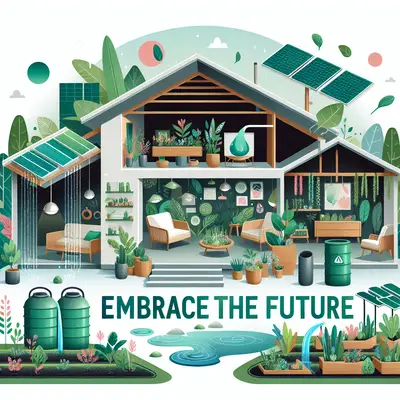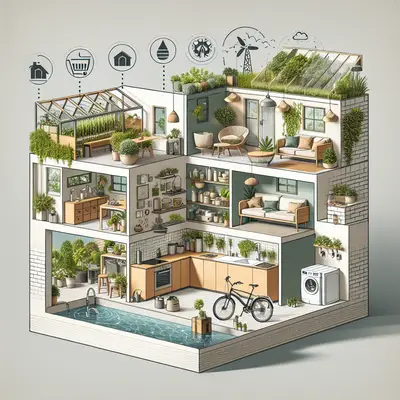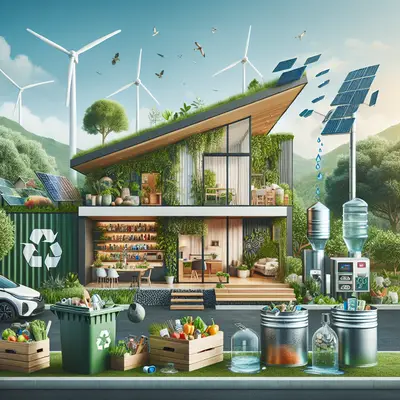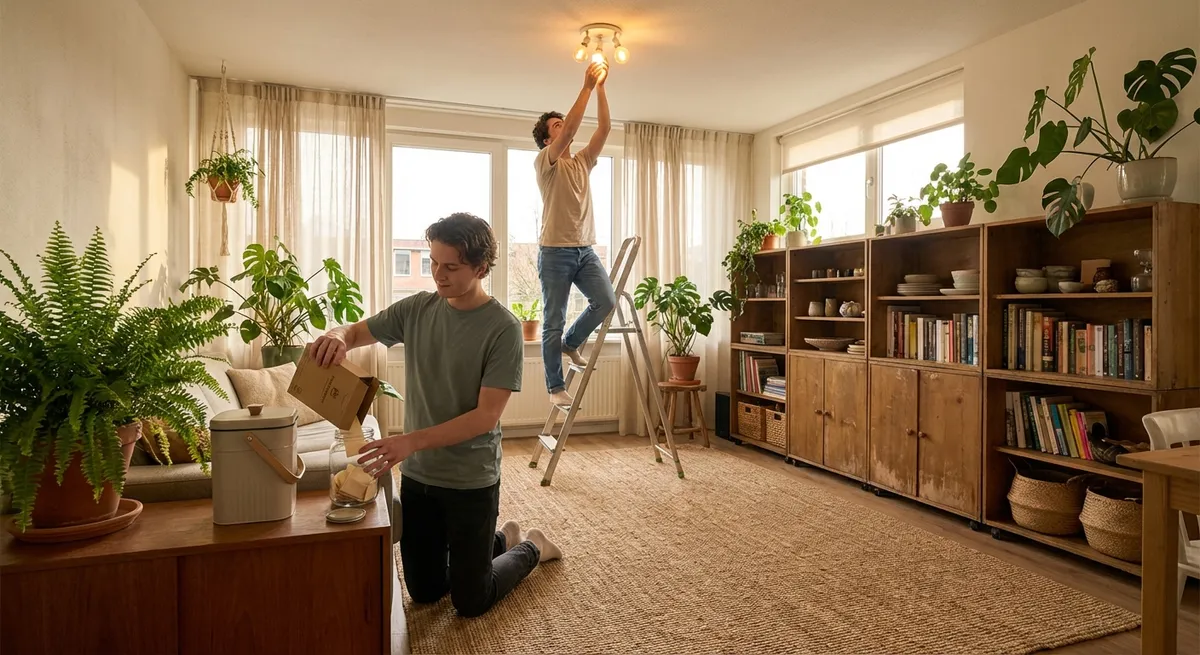
Sustainable living doesn’t have to look like starting a homestead or giving up everything you love. For most modern homeowners, it’s about soft shifts—small, intentional moves that quietly stack up to real impact. Think better design, smarter habits, and choosing pieces that work harder for your daily life and the planet.
Below are five innovative home ideas that feel stylish and considered, not preachy or high-maintenance—perfect for a modern, design‑driven space.
1. Material-First Spaces: Design Rooms Around What Things Are Made Of
Instead of starting with color palettes or trends, build your rooms around materials that age well, wear beautifully, and tread lighter on the planet.
Look for pieces made from FSC‑certified wood, recycled metals, organic cotton, linen, or rapidly renewable materials like bamboo and cork. These aren’t just “eco” boxes to tick—they tend to feel better to live with: softer textiles, fewer harsh finishes, and furniture that doesn’t off‑gas sketchy chemicals into your air. When you shop, flip the tag or product page and check for certifications (FSC, GOTS, OEKO‑TEX, Greenguard Gold) the same way you’d check the ingredients list on skincare.
Start small: swap your most-used items first—bed sheets, bath towels, sofa throws, dining chairs. These are the things your body touches every day, so upgrading them to cleaner, more sustainable materials gives you an instant quality-of-life lift. Over time, you create a home that feels cohesive because the materials, not just the colors, are in conversation with each other.
2. Home as a Micro‑Ecosystem: Bring the Outdoors In (Intentionally)
Houseplants are great, but you can push the idea further and think of your home as a tiny ecosystem that supports your wellbeing and reduces your footprint.
Prioritize plants that actively help with indoor air quality—like snake plants, peace lilies, and pothos—and group them where you spend the most time: near your workspace, sofa, or bedside. Combine that with natural light zoning: instead of flooding every corner with overhead lighting, use daylight strategically and layer in warm, low‑energy LED floor and table lamps only where you actually need them.
If you have a balcony, patio, or even a sunny windowsill, turn it into a micro‑garden. Herbs, salad greens, and compact tomato varieties can thrive in containers and cut down on last‑minute grocery runs (and plastic packaging) for small essentials. The goal isn’t to grow everything you eat—it’s to create a loop where your home, your habits, and your surroundings support each other in small, daily ways.
3. Subscription-Free Smartness: Automate Habits, Not Just Gadgets
Sustainable home tech doesn’t have to look like a wall of screens and subscriptions. The most impactful moves are often quiet automations that make the greener choice the default, not the effort.
Start with smart plugs and smart power strips on the things that sit in standby mode: TVs, gaming consoles, speakers, and chargers. Schedule them to switch off overnight or when you’re at work. Layer in smart thermostats or zoned heating controls so your home isn’t blasting energy into rooms no one’s using. These devices don’t just lower bills; they remove the mental load of “remembering to be sustainable.”
Go analog where it works: a stylish laundry drying rack that folds into the wall, a beautiful lidded bin that makes composting easy and odor‑contained, or a magnetic strip in the kitchen that keeps reusable bags and dishcloths front and center. The less friction between you and the sustainable choice, the more likely it becomes your new baseline.
4. Circular Style: Curate a Home That Can Be Re‑Loved
Modern sustainable living is as much about what happens after you’re done as it is about how things are made. Designing with a “second life” mindset keeps your home feeling curated, not cluttered—and dramatically reduces waste.
Choose timeless silhouettes over hyper‑specific trends so pieces are easier to resell, donate, or pass on. Neutral or classic tones for big-ticket items (sofas, tables, bed frames) make them more flexible in different spaces and more appealing to future owners. When you’re buying, ask yourself: “Would I be excited to find this secondhand?” If the answer is no, it might not be a great long-term choice.
On the flip side, make secondhand your secret superpower. High‑end consignment sites, local vintage shops, and neighborhood marketplaces are full of character pieces that already exist in the world—no new resources required. A vintage sideboard or reclaimed wood dining table can become the anchor of a room, with a story that feels personal instead of mass‑produced.
5. Low‑Impact Comfort Rituals: Upgrade the Moments You Repeat Most
The most sustainable changes are the ones you actually feel—every day. Instead of chasing big, one‑time gestures, focus on the rituals you repeat constantly and make them softer on both you and the planet.
Think about morning routines: a well‑insulated kettle, a reusable coffee filter or French press, and a dedicated “drink station” with jars for loose tea or beans can quietly cut daily waste. In the bathroom, a modern bidet attachment, refillable soap dispensers, and high-quality, quick-dry towels reduce both consumption and laundry loads. In the laundry room, wash in cold water by default, choose concentrated detergents, and invest in a laundry ball or microfiber filter if you wear a lot of synthetics.
The point is to elevate comfort while shrinking impact. When your home rituals feel indulgent and efficient, sustainable living stops feeling like a sacrifice and starts looking like the most upgraded version of your lifestyle.
Conclusion
Sustainable living at home is less about overhauling everything and more about editing with intention. When you prioritize better materials, subtle automations, circular design, and elevated everyday rituals, you end up with a space that feels calmer, more considered, and genuinely future‑friendly.
Start with one idea that feels doable this month—a plant corner that doubles as an air filter, a smart plug routine, or a conscious swap in your most-used room—and let your space evolve from there. The soft shifts add up.
Sources
- U.S. Environmental Protection Agency – Indoor Air Quality - Overview of indoor air quality concerns and strategies to improve it at home
- Forest Stewardship Council (FSC) - Details on FSC certification and why responsibly sourced wood products matter
- U.S. Department of Energy – Energy Saver - Practical guidance on reducing energy use in homes, including smart controls and efficient habits
- The Environmental Footprint of Textiles (European Environment Agency) - Insight into the impact of textile production and why material choices for home goods matter
- Harvard T.H. Chan School of Public Health – Healthy Buildings - Research-backed information on how building choices and materials affect health and wellbeing
Key Takeaway
The most important thing to remember from this article is that this information can change how you think about Sustainable Living.