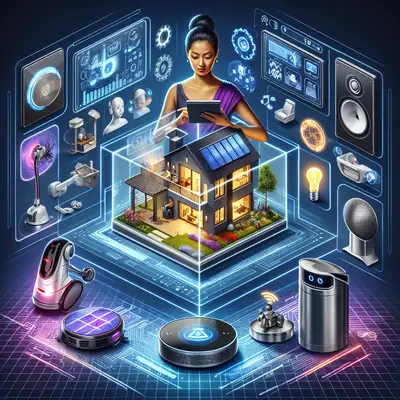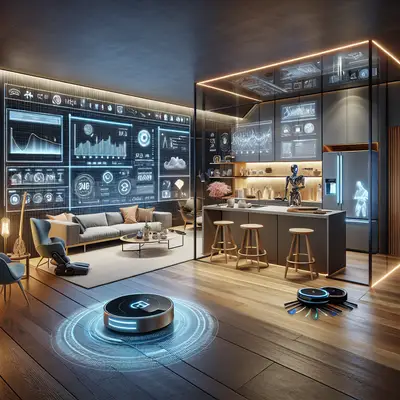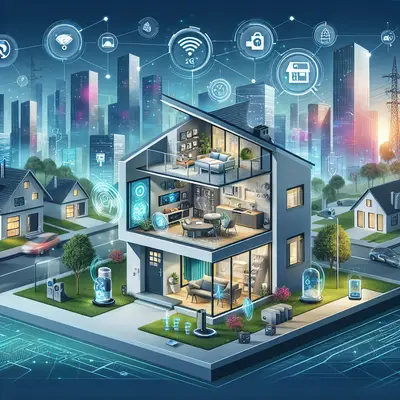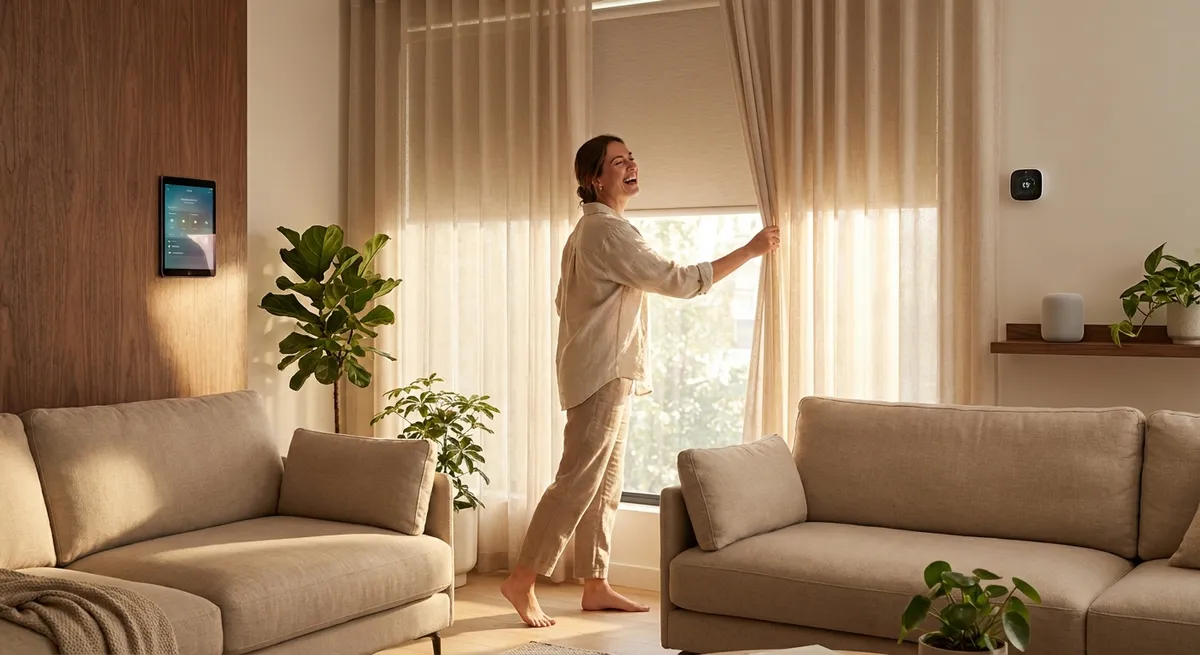
Smart homes aren’t just for people who want their space to look like a sci‑fi movie set. The new wave of home tech is quiet, design‑driven, and built to blend into real life—messy schedules, hybrid work, self‑care nights and all. It’s less about flexing gadgets and more about living in a home that pays attention and adapts to you.
Think of it as “soft-tech living”: your space is still warm, personal, and stylish—just with a digital nervous system humming calmly in the background. Here are five future‑ready ideas that feel surprisingly human.
Zoned Comfort That Knows Your Routine
Instead of blasting the same temperature through your entire home, zone-based climate systems let you personalize comfort room by room—and time by time. Smart vents, connected radiators, and learning thermostats can create a cooler bedroom at night, a toasty bathroom in the morning, and a perfectly balanced living room by early evening. Over time, the system studies your patterns—when you come home, when you usually cook, when you wind down—and quietly adjusts without you constantly opening an app.
Design-wise, these systems are becoming almost invisible: slim wall sensors, vent covers that look custom, and thermostats that feel more like minimalist decor than hardware. The payoff shows up in your energy bill and your mood; no more arguing over a “house temperature” that doesn’t actually work for anyone. For households with different schedules or work-from-home setups, zoned comfort turns your home into a more personal, live-in-ready experience instead of a one-size-fits-all climate box.
Lighting That Moves With Your Day (and Your Mood)
The most underrated smart upgrade right now is lighting that shifts with your body clock instead of fighting it. Connected bulbs, switches, and smart shades can gradually brighten in the morning with warmer tones, keep you focused with cooler, clean light in the afternoon, then ease into soft, cinematic lighting in the evening. It’s like having a built-in lighting designer who understands both productivity and rest.
You can program scenes that match your life: “Desk Mode” for clean overheads plus a focused task lamp, “Dinner In” for softer overheads and warm accents, “Reset” for a quick mid-afternoon re-light when your energy dips. Paired with automated blinds that track the sun, your home can reduce harsh glare, protect furniture from fading, and still maximize natural light. The magic is in how seamless it feels—you tap once, or it just runs in the background, transforming the whole energy of your space without any drama.
The Connected Kitchen That Simplifies, Not Complicates
The new smart kitchen isn’t about bragging rights; it’s about removing friction from the moments you’re actually hungry and tired. Think refrigerators that help you track what’s inside and suggest ways to use what you already have before it goes bad, induction cooktops that sync with smart pans to keep your food at the right temperature, and dishwashers that run when your energy rates are lowest without you needing to remember.
Voice-enabled timers and step-by-step recipe modes on smart displays mean your hands can stay messy while your instructions stay clear. Meanwhile, smaller countertop devices—like app-connected kettles, precision cookers, and coffee systems—let you schedule your rituals in advance. Wake up to hot water ready for tea, or come home to a preheated oven timed with your commute. The overall vibe is calm and intentional: less takeout by default, fewer “what’s in the fridge?” regrets, and more meals that feel thought-through even on chaotic days.
The Hybrid-Work Home: Spaces That Reconfigure Themselves
Our homes aren’t just homes anymore—they’re coworking spaces, classrooms, studios, and recovery zones, often within the same 24 hours. Smart homes that support hybrid lives focus on flexibility: motorized standing desks that remember different height presets, lighting and sound profiles that shift you from “meeting mode” to “off duty,” and acoustic panels or smart speakers that double as design pieces while managing noise.
Imagine a living room that quietly transforms at 8:45 a.m.: lamps brighten to a cooler tone, a wall-mounted display wakes up for your first call, the thermostat nudges to your ideal “focus” setting, and distractions like the TV are temporarily locked behind a “work profile.” Then, after hours, the same tech lets the room exhale—lights dim, speakers reset to your favorite playlist, and your desk tucks away into a wall or cabinet. Smart plugs and automations can even power down non-essential work devices so you’re not tempted to “just check one more email.” It’s about creating clear, gentle boundaries without needing a bigger floor plan.
Quiet Security That Feels More Like Peace Than Surveillance
Modern smart security is moving away from heavy-handed, high-alert vibes and toward calm, integrated reassurance. Think compact cameras with privacy shutters that physically close when you’re home, doorbells that distinguish between regular visitors, packages, and random motion, and sensors that sit flush with your doors and windows instead of screaming “system installed here.”
Paired with smart locks, you can create temporary access codes for guests, cleaners, or dog walkers, all time-limited and trackable, no key handovers required. Interior motion sensors can be trained to ignore pets and focus on genuine anomalies, so your phone isn’t blowing up over nothing. Even small upgrades—like lights that automatically turn on if a door opens unexpectedly at night—add a layer of comfort. The end result is less about living in a fortress and more about living in a space that quietly has your back, so you can actually relax inside it.
Conclusion
Smart living in 2025 isn’t about filling your home with screens and wires—it’s about editing your space so the “thinking” parts happen in the background while you focus on living. When climate control learns your habits, lighting follows your rhythms, the kitchen helps you be a little more intentional, work zones adapt on demand, and security simply feels like peace of mind, your home stops being just a place you maintain and starts acting like a partner.
The best part: you don’t have to do it all at once. One subtle upgrade at a time, you can build a home that’s not just connected—but genuinely in sync with how you live now.
Key Takeaway
The most important thing to remember from this article is that this information can change how you think about Smart Homes.