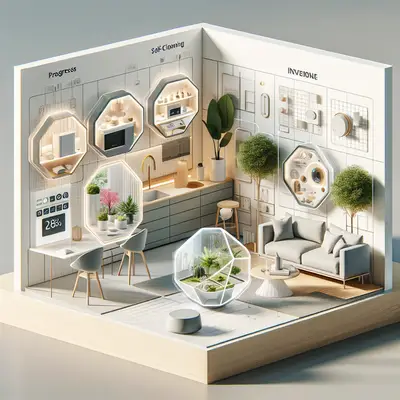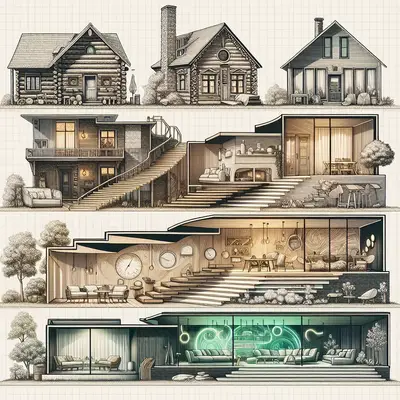
The way we live at home has quietly shifted. Our spaces are no longer just where we sleep and eat—they’re where we work, recharge, create, and connect. Interior design isn’t only about “looking good” anymore; it’s about building a home that supports how you actually live, scroll, and decompress.
Think of your space as a personal operating system: it should run smoothly, feel intuitive, and look effortlessly put-together in the background. These ideas are designed for modern homeowners who want interiors that feel current, calm, and quietly elevated—without turning their homes into showrooms.
1. The Hybrid Living Zone: A Sofa That Actually Works Overtime
The traditional “living room” is evolving into a hybrid hub: part lounge, part office, part social spot. Instead of separating these roles, design around one flexible core—usually your sofa. Look for modular sectionals you can reconfigure depending on the day: movie night mode, work-from-home mode, hosting mode. Add a slim console table behind the sofa that doubles as a standing desk or laptop perch, paired with a low-profile stool that tucks away when you’re off the clock.
Layer in soft room dividers—think open shelving, lightweight screens, or even tall plants—to visually zone the space without building walls. Coffee tables with hidden storage keep remotes, chargers, and notebooks out of sight but within reach. Use a palette that feels cohesive across “functions”: the same warm neutrals or muted colors on cushions, throws, and rugs help your work gear blend into evening relaxation. The goal: one space, many lives, no visual chaos.
2. Sensorial Minimalism: Spaces That Feel Calm, Not Empty
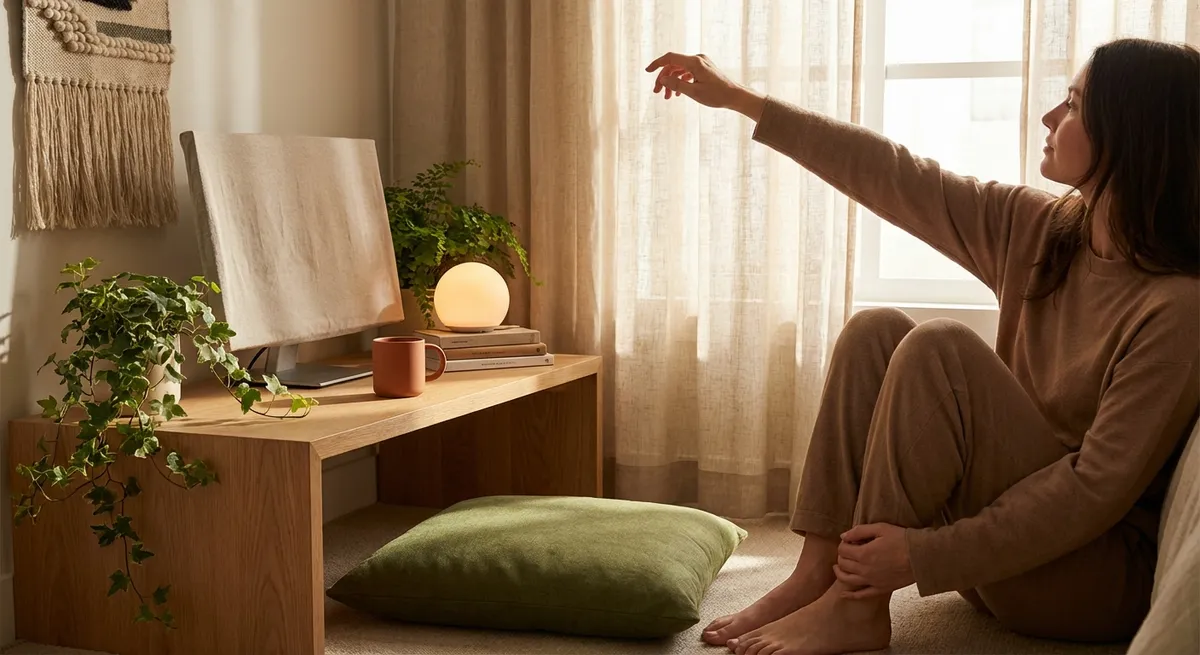
Minimalism has upgraded from “everything white and cold” to “sensory calm with intention.” Instead of stripping your home bare, focus on editing down to pieces that earn their place by how they feel, not just how they look. Swap harsh overhead lights for layered, dimmable lamps that create a soft, flattering glow in the evenings. Use textured neutrals—bouclé, linen, raw wood, plaster, wool—to make a pared-back room feel touchable and cozy instead of stark.
Sound matters just as much as visuals. Soften echoey spaces with thick curtains, large rugs, fabric wall hangings, or even acoustic panels disguised as art. Curate small “quiet corners” with a comfortable chair, a warm lamp, and a single surface for a book or cup of tea—no screens, no clutter. Scent can become part of the design language too: a single signature home fragrance like sandalwood, fig, or cedar repeated via candles or diffusers creates a subtle sense of cohesion. Minimalism, done this way, feels less like “lack” and more like breathing room.
3. Color Drifting: One Palette, Multiple Personalities
Instead of giving every room a completely different color concept, try “color drifting”—letting one main palette shift, soften, and deepen as you move through your home. Start with an anchor tone you genuinely love (think clay, slate blue, moss, or caramel) and let it appear in slightly different ways in each space. In the living room it might be a statement rug; in the bedroom, it could show up as linen bedding; in the kitchen, ceramic mugs or bar stools.
This creates a subtle visual thread that makes your home feel thought-through without going full “show home.” Add one accent shade in small doses—a bold citron, inky navy, or rich burgundy—that pops up in artwork, cushions, or book spines. Because the overall palette is connected, you can easily move pieces from room to room without things clashing. It also makes it easier to refresh your space seasonally: keep the base tones constant while swapping out just a few accent items for an instant mood shift.
4. Elevated Everyday Storage: Hiding the Mess, Highlighting the Beautiful
Modern living comes with cords, packages, gear, and “stuff” that rarely makes it onto moodboards—but still lives in real homes. The trick is designing storage that respects reality while still looking elevated. Entry areas can work harder: a closed cabinet or lidded bench hides shoes, dog leashes, and bags, while a slim tray or bowl on top collects keys and mail so they don’t migrate everywhere. Add a single, stylish hook rail and limit yourself to what fits on it—that’s your visual boundary.
In living spaces, choose furniture that looks like decor but behaves like storage. A sculptural sideboard doubles as a home for games, documents, and random tech. Nesting side tables give you more surfaces when guests are over, but stack away when the room needs to breathe. In open-plan homes, consider one “utility wall” with tall closed cabinets in a beautiful finish—oak, matte color-matched paint, or ribbed wood—that hides appliances, cleaning tools, and overflow pantry items. You’re not pretending the mess doesn’t exist; you’re just giving it an elegant place to live off-camera.
5. Night Mode Design: Styling for How Your Home Feels After 8 PM
Most design inspiration is shot in daylight, but many of us experience our homes most intensely at night—after work, after the gym, after the scroll. Designing with “night mode” in mind shifts the focus to how your space glows, softens, and supports you when the world winds down. Start by mapping your evening rituals: where you drop your bag, where you change, where you eat, where you decompress. Then light those zones deliberately with warm bulbs (2700K or lower) in table and floor lamps rather than relying on a single overhead.
Use reflective but not glaring materials—satin finishes, soft metals, glazed ceramics—to catch and gently bounce light. Darker accent walls or deep-toned textiles can make a room feel cocoon-like at night without being gloomy during the day. Keep a dedicated “pause station”—maybe a bar cart reimagined with herbal teas, glassware, a carafe, and a small plant or candle—that signals it’s time to switch off. When your home is designed for how it looks and how it feels after dark, evenings stop being something to “get through” and become something you look forward to.
Conclusion
Modern interior design is less about copying a trend and more about tuning your space to your actual life—your habits, your tech, your downtime, your chaos. When your sofa multitasks, your storage hides the real-world mess, your colors drift instead of shout, and your lighting respects your night mode, your home starts to feel like it’s genuinely on your side.
You don’t need a full renovation to get there. Start with one idea—maybe the hybrid living zone or a small sensorial minimalist corner—and let the rest evolve naturally. The most modern homes aren’t the most perfect; they’re the ones that quietly work for the people living inside them.
Key Takeaway
The most important thing to remember from this article is that this information can change how you think about Interior Design.