Design isn’t just about how your home looks anymore—it’s about how it lives. The most interesting interiors right now feel quietly confident: they’re functional but chic, tech-aware but not “gadget-y,” and personal without looking overdone. If you’re craving a space that feels fresh, modern, and actually works with your life, these ideas are about subtle shifts, not full gut renos.
Below are five innovative home living ideas that feel very now—designed for real people, real routines, and real-time scrolling.
Sensory-First Spaces: Designing for How Your Home Feels
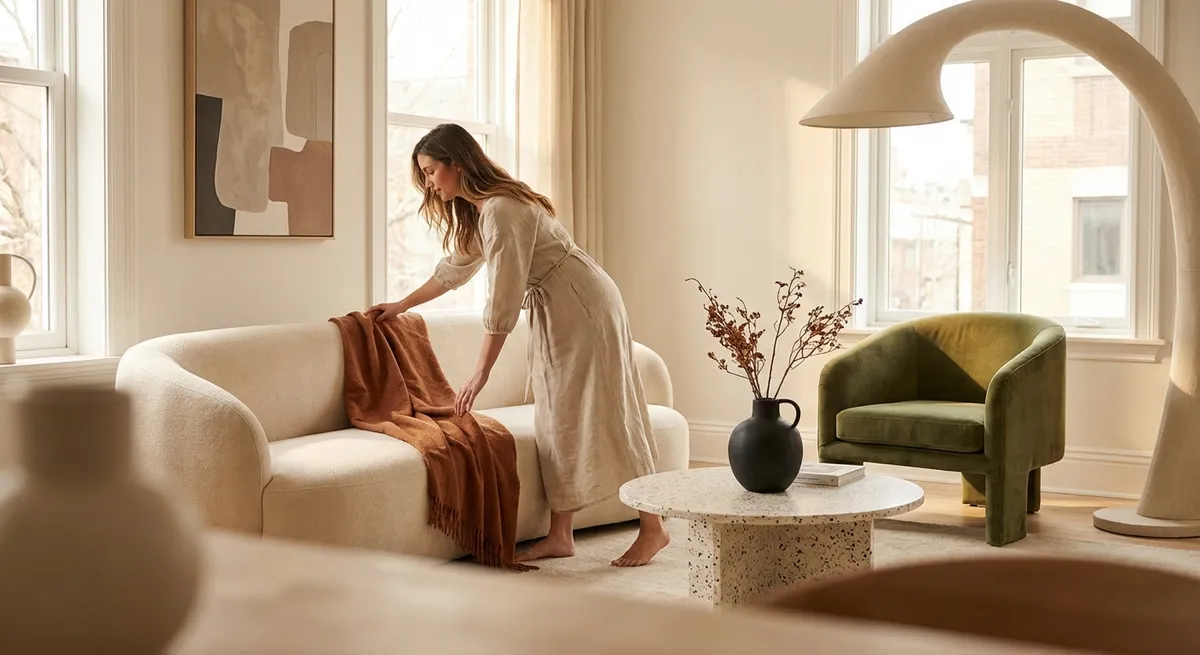
Instead of starting with color palettes or furniture, start with your senses—what do you want to see, hear, smell, and feel when you walk in the door? Modern interiors are leaning into sensory design: soft diffused lighting instead of harsh overheads, layered textures over flat surfaces, and sound-dampening materials to calm the noise of daily life. Think boucle and linen mixed with smooth stone, warm wood, and a few reflective accents like brushed metal or smoked glass.
Consider acoustic panels that double as art, heavy linen curtains that block traffic noise, or a plush rug that softens echo in open-plan spaces. Aromatherapy diffusers and candles in gentle, not overpowering, scents can instantly reset the mood of a room—herbal and woody notes feel especially contemporary. Even small details, like switching to dimmable, warm-toned LED bulbs or adding a tactile throw to your sofa, can transform how grounded and “held” you feel at home. It’s less about perfection, more about creating a space your nervous system actually relaxes in.
Zoned Living: Fluid Layouts for Real-Life Multitasking
Single-purpose rooms are starting to feel dated; what’s in now is zoning—creating flexible pockets of function within one space. Instead of a dedicated home office that’s used twice a week, you might carve out a “focus corner” in your living room or bedroom using a slim desk, sculptural chair, and a statement lamp. A double-duty dining table can morph into a work zone with the right storage, lighting, and nearby outlets.
Use visual cues to define zones: a rug to anchor a lounge area, a change in wall color or art style to signal a shift in purpose, or a low console acting as a subtle divider. In smaller spaces, folding or nesting furniture, wall-mounted desks, and benches with hidden storage help each zone breathe. The goal isn’t to cram more into a room—it’s to let the room adapt with you, from early-morning coffee emails to late-night streaming sessions with friends.
Hybrid Display: Mixing “Real Life” Storage With Gallery Moments
Modern homeowners are ditching the all-or-nothing approach to storage. Perfectly hidden minimalism on one side, and cluttered open shelving on the other, both feel a bit extreme. The current mood: hybrid display. You intentionally show some things—books, ceramics, vinyl records, coffee table objects—and hide the rest in sleek, closed storage. The contrast keeps rooms feeling alive but not chaotic.
Try a low media unit with a mix of open and closed sections, or kitchen cabinets with a few fluted-glass doors to hint at what’s inside without exposing everything. Curate micro-vignettes: a stack of design books, a sculptural vase, and a candle on a sideboard; a styled tray on the coffee table with only 3–4 objects max. In entryways, pair a concealed shoe cabinet with a small ledge for keys, a single framed print, and a plant. The secret is editing—if everything is special, nothing stands out. Let a few meaningful items breathe, and let the rest live happily out of sight.
Material Mash-Up: Layering Natural and High-Tech Finishes
Today’s interiors are less about pure minimalism and more about tension—the good kind—between natural materials and quietly high-tech finishes. Think warm oak next to matte black hardware, a terrazzo coffee table under a sleek metal floor lamp, or a fluffy wool rug paired with a clean-lined sofa. Add in performance fabrics (stain-resistant, pet-friendly) and durable quartz or porcelain surfaces for a mix that looks elevated but actually fits daily living.
Lean into contrast: glossy tiles in a small bathroom with a raw-edge wood stool, or ultra-thin, modern lighting wires against a heavily textured plaster wall. Use metals thoughtfully—brushed brass or muted chrome can feel luxe without veering flashy. If sustainability matters to you, look for FSC-certified wood, low-VOC paints, and recycled materials. This layered approach keeps your home from feeling like a showroom; it feels lived in, but intentional.
Plug-In Personality: Swappable Details That Keep Your Space Evolving
Instead of chasing trends with big, expensive pieces, modern homeowners are building “plug-in personality” through details that are easy to swap. Statement lamps, bold side tables, sculptural mirrors, colorful cushions, patterned bedding, and art prints can completely shift the energy of a room without a single contractor involved. When you treat these items like your wardrobe—rotating pieces seasonally or as your taste evolves—your home stays current without a full redesign.
Consider a neutral base for larger items like sofas and beds, then go bolder with accessories: a saturated rug, unexpected wall sconce, or contemporary art over the bed. Peel-and-stick wallpaper, removable hooks, and modular shelving make updates low-commitment, especially for renters. Even smaller moments—like changing out cabinet knobs, swapping your shower curtain, or updating frames on a gallery wall—add up. Your space becomes a living moodboard, not a static “done once and never touched again” project.
Conclusion
The most compelling interiors right now aren’t the ones that look the most polished; they’re the ones that feel the most lived, layered, and intentional. When you design for your senses, create flexible zones, balance display and storage, play with material contrast, and keep details swappable, your home can evolve as fast as your lifestyle does. You don’t need a full renovation to feel “upgraded”—just a clear point of view and a few smart shifts that make your space feel quietly, confidently current.
Sources
- Harvard Joint Center for Housing Studies – Housing & Design Trends – Research-backed insights on how people are using and adapting their homes
- American Society of Interior Designers (ASID) – 2024 Trends Outlook – Industry analysis on emerging design and lifestyle trends in interiors
- U.S. Environmental Protection Agency – Indoor Air Quality – Information on how materials, finishes, and design choices affect indoor environments
- New York Times – How to Design a Home That Feels Calm – Practical guidance on creating soothing, sensory-friendly interiors
- Dezeen – Interior Design News & Projects – Global examples of contemporary interior spaces, materials, and innovative layouts
Key Takeaway
The most important thing to remember from this article is that this information can change how you think about Interior Design.