The most interesting home tech right now isn’t about cramming more gadgets into your space—it’s about making your place feel calmer, smarter, and more you without turning it into a sci‑fi movie set. Today’s best devices quietly track your habits, anticipate your needs, and help you live better, not busier. Think less “command center,” more “effortless living backdrop.”
Below are five innovative home-living ideas that modern homeowners are leaning into—each one practical, design-conscious, and built for real life (not just the showroom).
1. Rooms That Learn Your Rhythm, Not Just Your Schedule
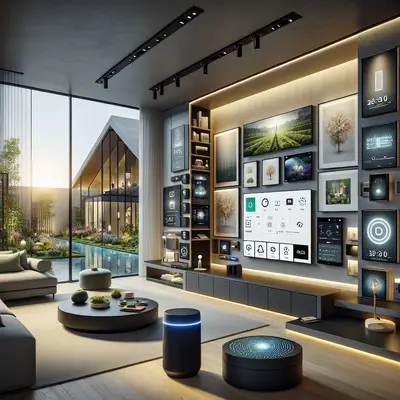
Smart homes used to mean “set your lights to 7 pm” and call it a day. Now, adaptive systems pay attention to how you actually live: when you really go to bed, when you actually cook, and when you tend to forget to turn things off.
Picture this: your living room lights slowly warm and dim as you wind down on the couch, your speaker nudges you with your “sleep playlist,” and the thermostat subtly cools the bedroom—without you opening an app. Over a few weeks, the system learns that you stay up later on Fridays, that you’re usually up before your alarm on Mondays, and that you always make coffee after your morning shower.
This isn’t about data for data’s sake; it’s about micro-adjustments that make the space feel tuned to your body clock. Motion sensors, adaptive lighting, and learning thermostats can cut energy waste while keeping the mood right. The best setups are almost invisible—wall switches still work, guests can still find the light, and you’re never locked into a “smart” routine that doesn’t match real life.
2. The Kitchen That Thinks in “What’s Left?” Not Just Recipes
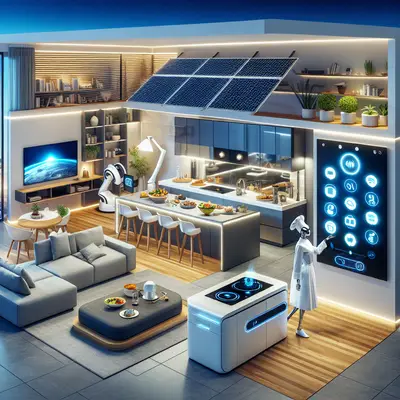
The smartest kitchen tech now thinks like a practical home cook: What do you already have? What’s about to expire? How do you waste less without thinking about it all the time?
Imagine opening your fridge and being greeted with: “You’ve got spinach that needs using—here are three quick dinner ideas.” Or a smart oven that recognizes what you put in (salmon, veggies, frozen pizza) and adjusts temperature and cook time automatically. Add in induction cooktops that heat up faster than gas but stay cool to the touch, and you’ve got a kitchen that’s both safer and smoother to cook in.
Some newer fridges can track contents via internal cameras, syncing with your phone so you can check what you’re out of at the store. Connected scales and smart measuring gadgets translate “handfuls” and “splashes” into something repeatable, actually helping you recreate that one perfect dish.
The real win: tech that supports casual, everyday cooking, not performance-level chef theatrics. Less food waste, fewer “takeout by default” nights, more dinners that just happen.
3. Wellness-First Spaces with Invisible Tech Under the Surface
Wellness at home used to mean a yoga mat in the corner. Now, tech is slipping under the surfaces—literally—to support how you sleep, breathe, and move, without overwhelming you with dashboards.
Think beds that subtly track your sleep quality and adjust firmness or temperature as you doze, instead of pushing you 20 notifications about it. Or air quality monitors that don’t just warn you about poor air—they trigger your purifier or HVAC to respond before you even notice.
In bathrooms, smart mirrors can gently adjust lighting to mimic natural daylight, making mornings feel less brutal and evening skincare more calming. Some models even incorporate demisting, lighting presets, and simple health metrics without turning your mirror into yet another screen screaming for your attention.
The best wellness tech doesn’t demand you become a quantified-self expert. It quietly optimizes the basics—light, air, temperature, and rest—so your home feels like a place your nervous system actually trusts.
4. The Hybrid Work Zone That Packs Away at 6 PM
Work-from-home isn’t going away—but the permanently-there laptop on the dining table definitely can. The next wave of home tech is about creating “now you see it, now you don’t” work zones that shift from productivity mode to home mode in seconds.
Picture a wall system that hides a fold-down desk with built-in power, cable management, and a narrow LED light strip calibrated for video calls. Close it, and it just looks like a sleek cabinet. Your smart display doubles as a mini second monitor during the day, then flips to an art slideshow, photo frame, or music hub by night.
Noise-canceling panels (some now designed as art or soft, sculptural pieces) can combine with smart speakers to create focused “work soundscapes” when you’re on deadline—and mellow ambient sound when you’re done. Even your lighting scene can shift: bright, cool-toned light for tasks, warmer tones for evenings, all on an automatic schedule or a single tap.
The point: your home shouldn’t feel like a 24/7 office. Tech can help you build a psychological “door” between work and life, even in a smaller space.
5. Shared Spaces That React to Who’s Actually There
Most homes are shared: partners, roommates, kids, guests, pets. The most interesting new tech is flexible enough to adapt to whoever’s in the room—without turning every evening into a “who changed the settings?” argument.
Modern multi-user homes are leaning into profiles that activate based on voice, phone proximity, or even personalized remotes. Your partner walks into the living room and the TV suggests their shows; you sit down later and the space leans into your lighting, your playlists, your volume preferences.
In family spaces, smart TVs and streaming hubs can lean into “household mode” in the early evening (kid-friendly recommendations, kid-safe volume levels), then shift to an adults-only vibe after bedtime. Some homes are even using smart locks and sensors to trigger scenes: when the last person leaves, all lights and media power down; when someone returns, entry lights and climate kick in automatically.
It’s not about everyone living in their own tech bubble. Done right, it’s a shared system that reduces friction: fewer remotes, fewer arguments, less fiddling—and more spaces that feel welcoming to whoever walks in.
Conclusion
Home tech is finally growing up. It’s less about flashy gadgets and more about designing a space that understands your routines, supports your health, and flexes with how you actually live. The future home doesn’t shout “I’m smart” from every surface—it quietly has your back.
If you’re upgrading, start small and intentional: a learning thermostat, adaptive lights in just one room, or a smarter sleep setup. The goal isn’t to turn your home into a showroom; it’s to make it feel like the calm, responsive backdrop to your life—now and five years from now.
Sources
- U.S. Department of Energy – Smart Home Energy Management Systems - Overview of how smart systems can optimize comfort and energy use
- EPA – Guide to Indoor Air Quality - Explains why monitoring and improving air quality at home matters for health
- Harvard T.H. Chan School of Public Health – Healthy Buildings Program - Research on how light, air, and environment affect wellness and cognitive function
- Energy Star – Connected Thermostats - Data and criteria on energy-efficient smart thermostats and their benefits
- Consumer Reports – Smart Kitchen Appliances Buying Guide - Independent breakdown of what current smart kitchen tech can realistically do
Key Takeaway
The most important thing to remember from this article is that this information can change how you think about Home Tech.